A Meeting with Bricks at the Exhibition “Brick by Brick”
2025 05 20
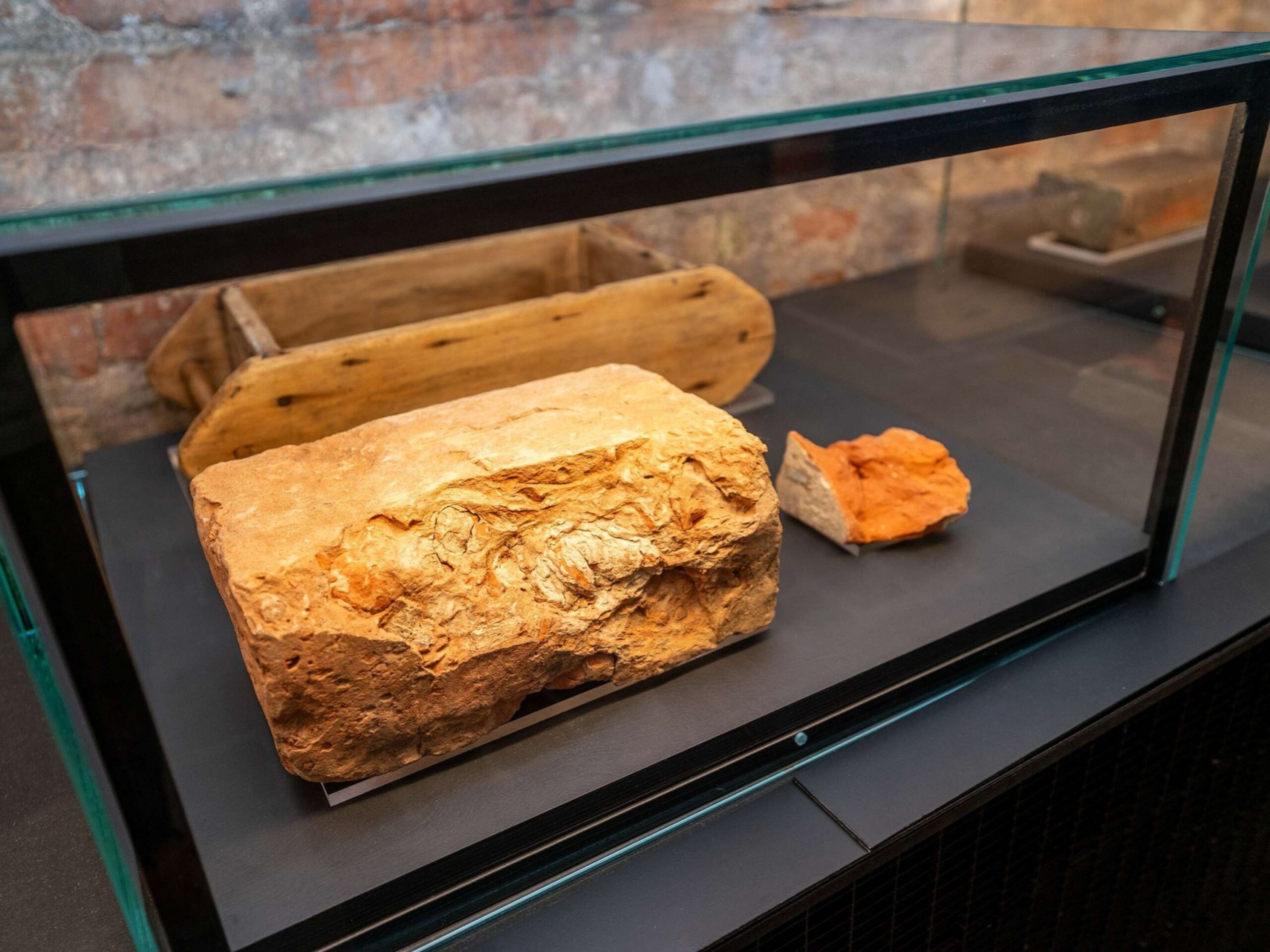
On May 21 at 5:00 p.m., the National Museum of Lithuania invites visitors to the opening of the new exhibition “Brick by Brick” at the Bastion of the Vilnius Defensive Wall (Bokšto St. 20, Vilnius). This exhibition explores the humble yet fundamental brick — an often-overlooked building element that makes up much of our homes and architectural masterpieces, and one that can tell more than we might expect at first glance.
Learning to Notice the Details
When looking at a brick wall, we rarely pay attention to the individual bricks. Even centuries-old bricks can seem mundane — one of many identical parts of a wall. But on closer inspection, it becomes clear that bricks are far from identical, predictable, or self-explanatory.
“Bricks are among those things we usually don’t notice, even though they surround us everywhere,” says exhibition curator Rūta Lakytė. “We rarely appreciate how much effort goes into making a single brick. The production process used to take anywhere from one to eight years. Imagine how many hands and how much time were needed. The journey from clay pit to architectural masterpiece — such as the Church of St. Anne — is extraordinary. We might not pay much attention to a small, everyday object like a brick. But on the other hand, this small element makes up a significant part of our environment. By learning to value the brick, we learn to appreciate all the small things that form the foundation of our daily lives.”
From Wood to Masonry
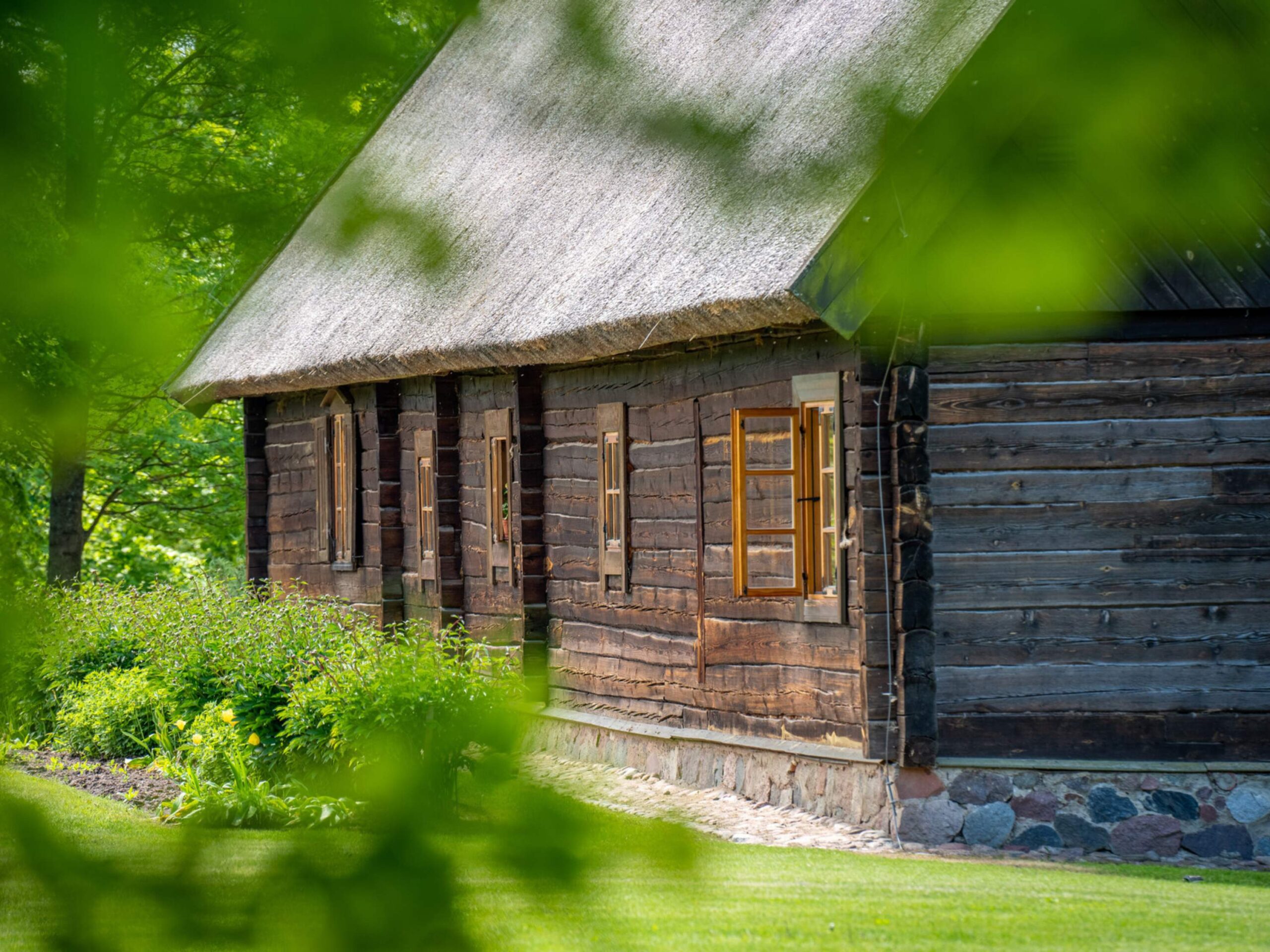
Lithuania is a land of forests, and for many centuries, wood was the dominant building material. The Balts and their northern neighbors, the Livs, only encountered masonry construction relatively late — at the end of the 12th century, when the Bishop of Livonia built the first brick church in the region near the Daugava River.
In the 13th century, as the pagan Lithuanian state emerged and had to defend itself against the growing threat of the Teutonic Order, the first masonry defensive structures — castles — began to be built in the second half of the 13th and early 14th centuries.
As Christianity gradually spread, so did the construction of the first brick churches. By the 14th–15th centuries, cities governed by Magdeburg law saw the rise of brick-built merchants’ houses and warehouses, followed by residential buildings. Over time, brick construction became an increasingly prominent part of our built environment.
Imprinted with Traces of Life
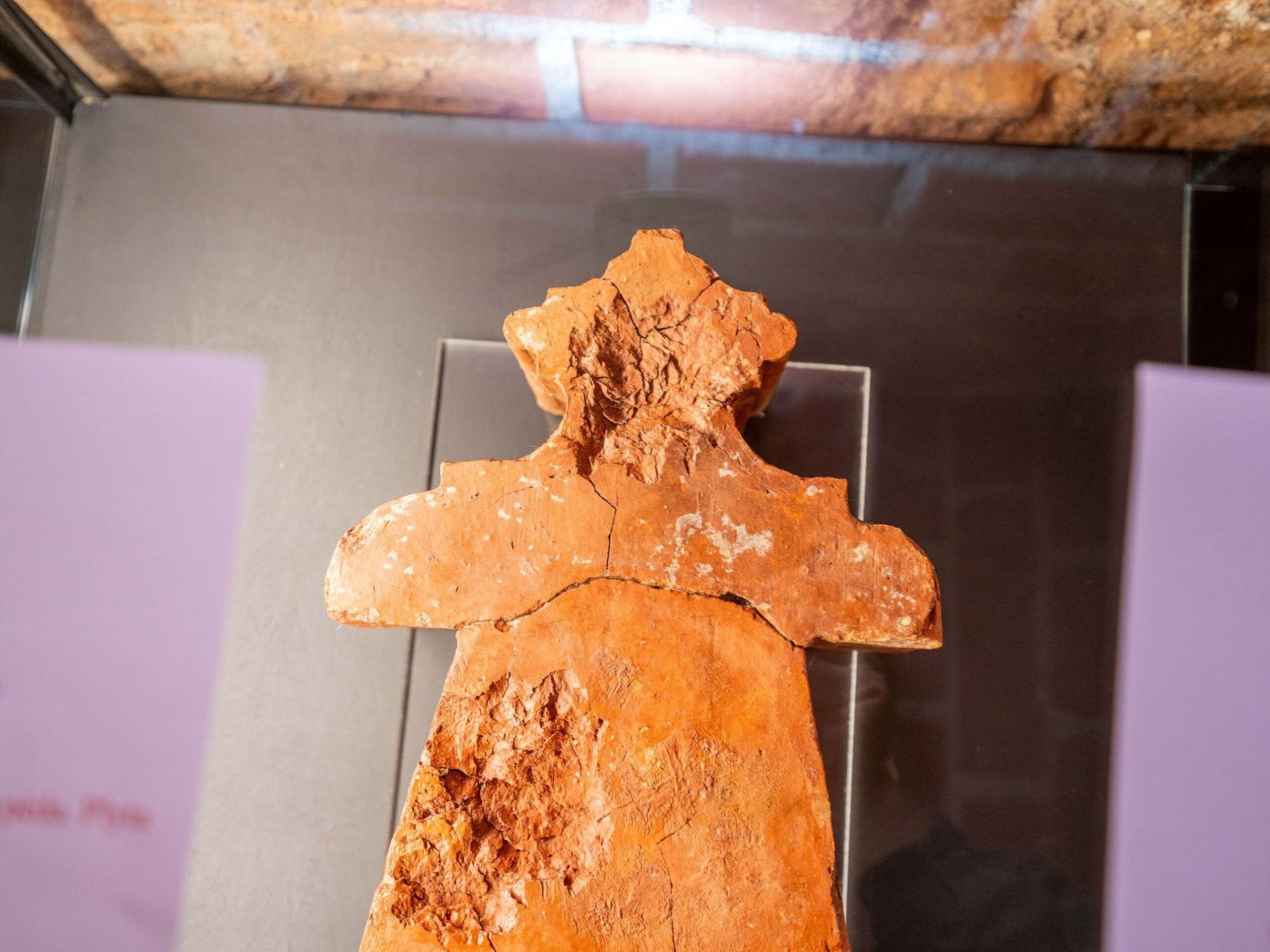
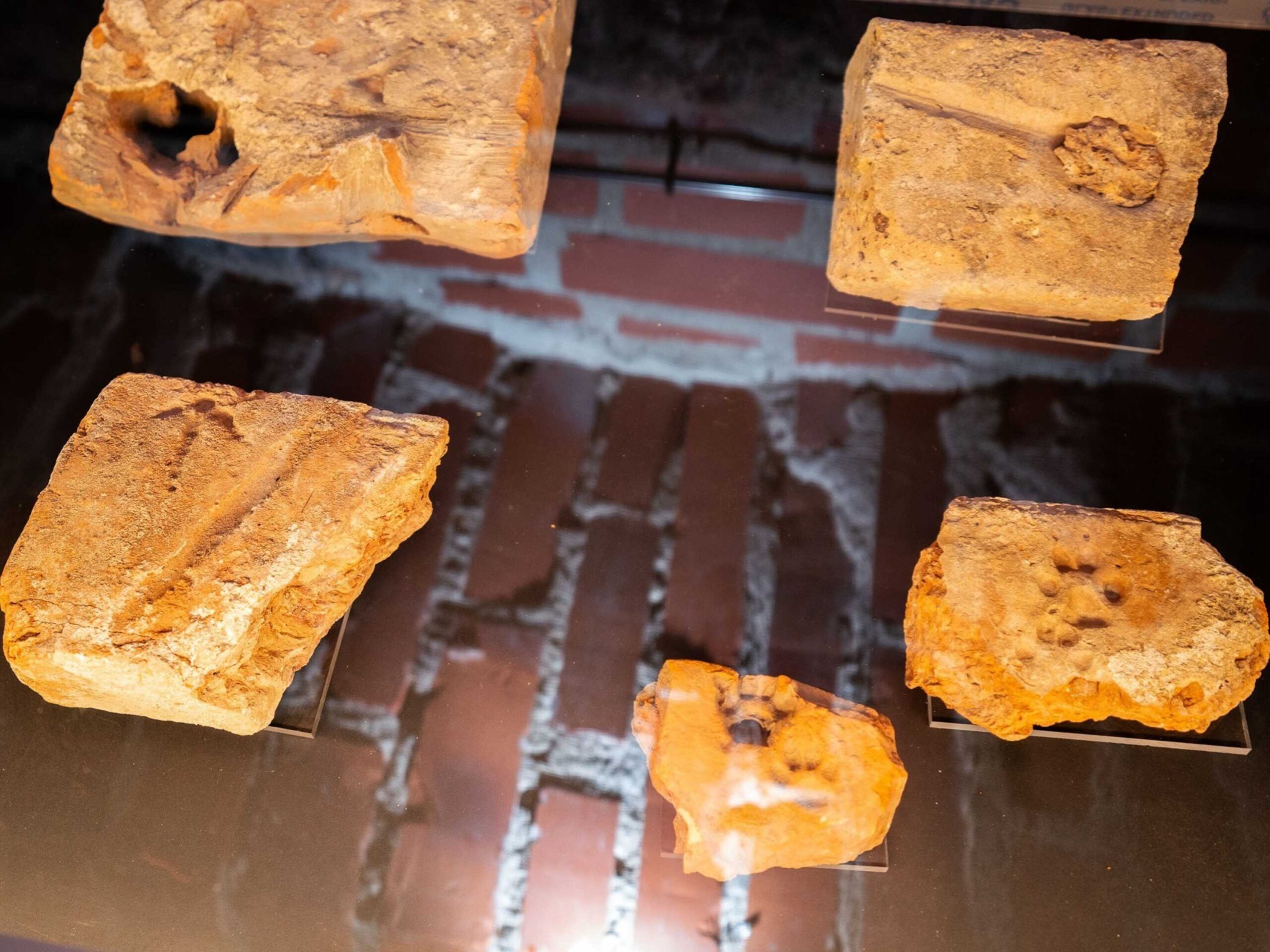
Bricks, while still in their raw form and drying under the open sky, often captured impressions of the world around them — footprints of animals, birds, humans, and plants, offering a glimpse into the daily environment of brickmakers. The surfaces of bricks also bear various etched or pressed marks: crosses, X-shapes, pentagrams, and other symbols. Occasionally, numbers or written inscriptions appear — usually hidden in the wall, on the brick’s concealed side, and thus often overlooked.
The meanings of many of these marks still raise questions. Most are believed to have served as the craftsman’s signature or as a means of accounting and tracking the production process. Others may have indicated the owner who commissioned the work. According to historians, some symbols might have served a protective function — magical signs intended to safeguard the building.
At the exhibition, visitors will be able to view a variety of bricks dating from the 13th to 18th centuries found in Lithuania. They will discover the marks and imprints left on them, examine their details, and learn what these traces reveal about the lives of people in the past. The exhibition also introduces visitors to the long path of brickmaking — from clay to construction — and the generations of human effort that went into building the spaces we inhabit today.
The “Brick by Brick” exhibition opens on May 21 at 5:00 p.m. at the Bastion of the Vilnius Defensive Wall (Bokšto St. 20, Vilnius), presented by the National Museum of Lithuania.
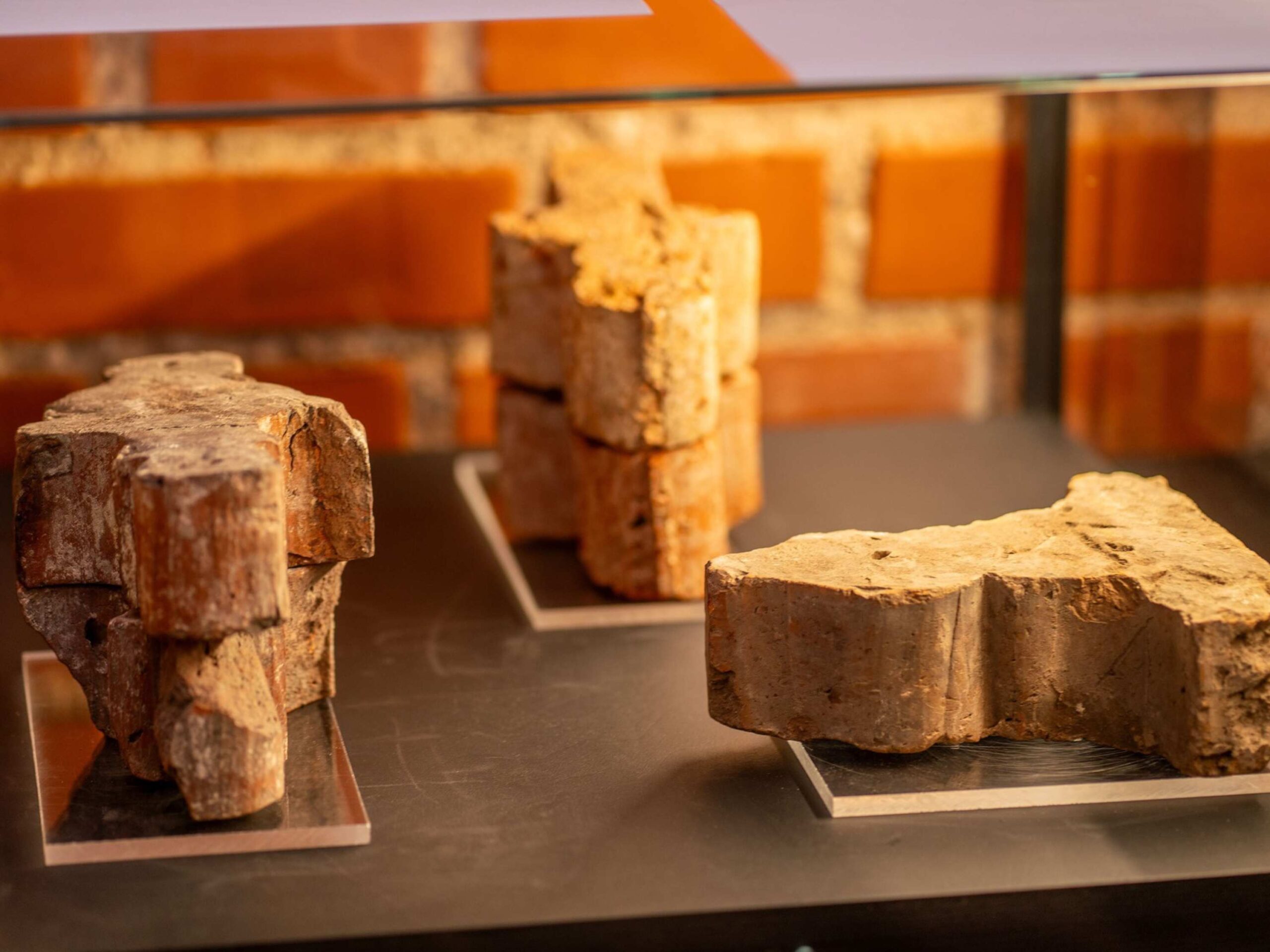
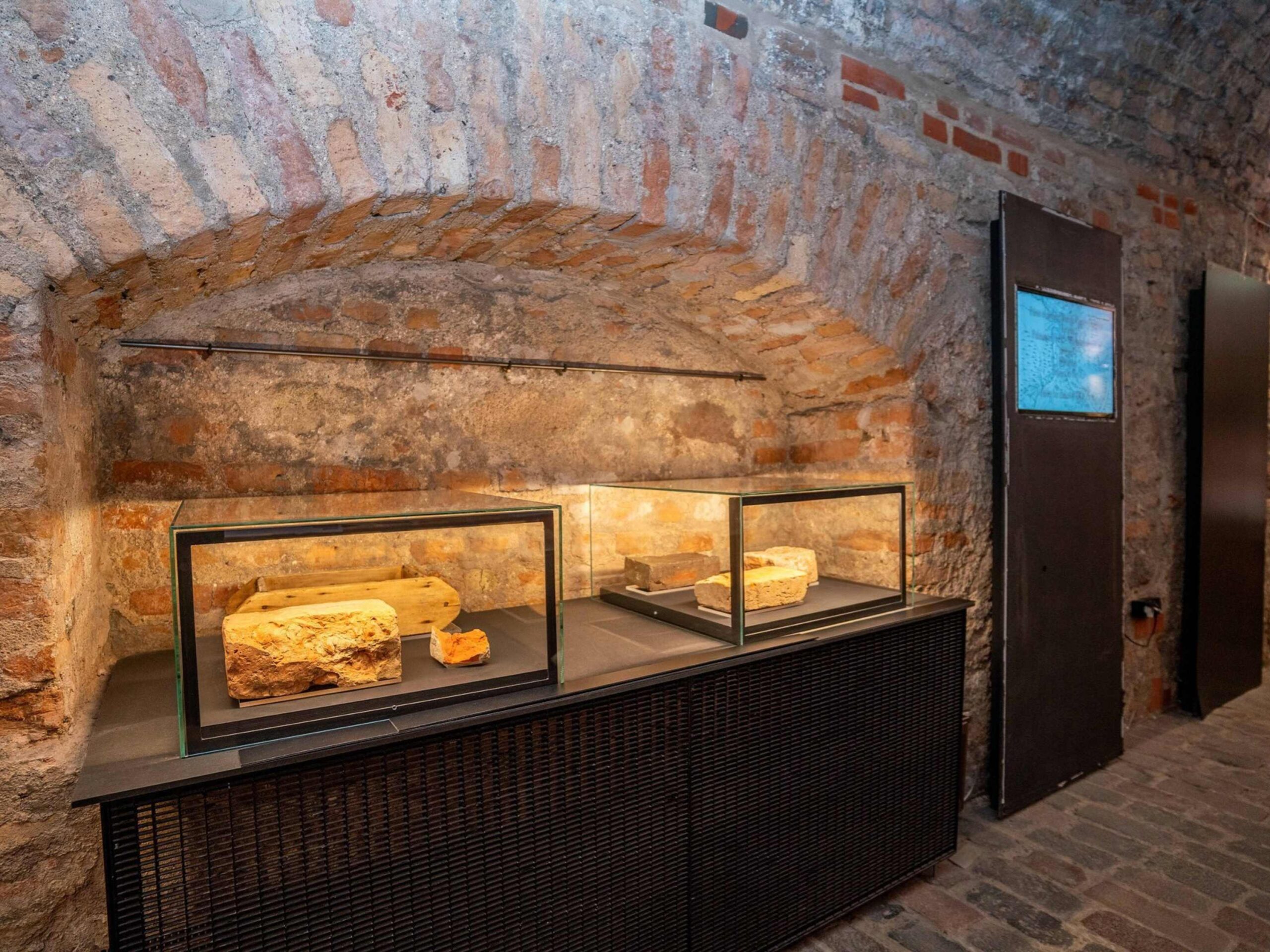

Photo by: Silvestras Samsonas, LNM