At the Vilnius Book Fair: Should “Russia” Be Renamed “Rossiya”?
2025 02 24
Why do many people instinctively associate the word Rusia with modern-day Russia, even though they are not the same? For many years, Russian propaganda has worked to erase this distinction, creating cognitive traps that are difficult to escape. At the Vilnius Book Fair, the National Museum of Lithuania invites the public to a discussion: Should “Russia” be renamed “Rossiya”?
The conversation will delve into the historical, political, and cultural dimensions of this question. Moderated by journalist and head of the organization Stiprūs kartu, Edmundas Jakilaitis, the discussion will feature Dr. Rūta Kačkutė, General Director of the National Museum of Lithuania and one of the curators of the exhibition “Kyivan Rus. The Beginning”, Prof. Dr. Alfredas Bumblauskas from the Faculty of History at Vilnius University, and Dr. Violeta Meiliūnaitė, Chair of the State Commission of the Lithuanian Language.
Rusia Is Not Russia
A deeper understanding of the historical context is offered by the museum’s international exhibition “Kyivan Rus. The Beginning”, which presents a narrative of the foundation and flourishing of Kyivan Rus, based on scholarly research.
“Since the beginning of the war, the museum has been looking for ways to support Ukrainians, especially museum professionals. This exhibition encourages conversations about the region’s history, which has been entangled in propaganda traps. We aim to increase awareness of the distinction between Kyivan Rus and Russia,” explains Dr. Rūta Kačkutė.
Conflating these two entities—as promoted by Russian propaganda—is both historically incorrect and geopolitically dangerous.
“Kyivan Rus is not Russia and never was,” says Kačkutė. “Russia emerged from the Grand Duchy of Moscow, which itself developed from a small border region of Kyivan Rus—the lands of Vladimir-Suzdal and Rostov—only in the 13th century, when Kyivan Rus was already in decline. Russia cannot in any way be equated with Kyivan Rus, which was a multicultural entity rooted in Western traditions. Russia failed to use this culturally rich legacy as a conceptual foundation for its developing state. Instead, it chose the path of autocracy, influenced by the close ties between the Grand Duchy of Moscow and the Mongol-Tatar state,” Kačkutė elaborates.
-
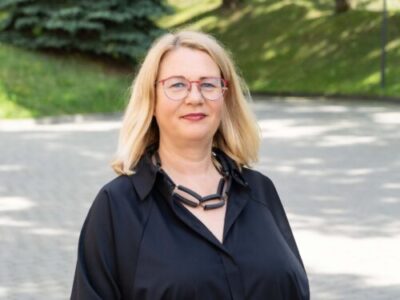
- Dr. Rūta Kačkutė, Director General of the National Museum of Lithuania. Photo by Augustinas Bėkšta, LNM
-
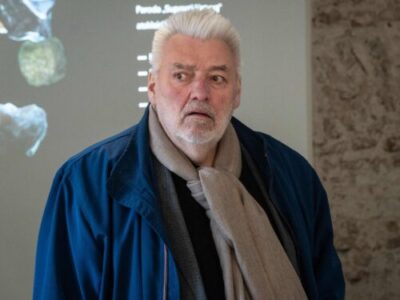
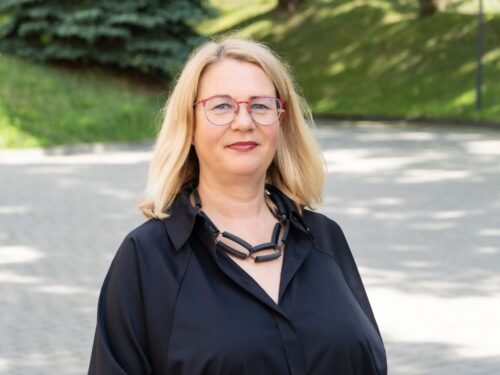
- Prof. Dr. Alfredas Bumblauskas, Faculty of History, Vilnius University. Photo by Augustinas Bėkšta, LNM
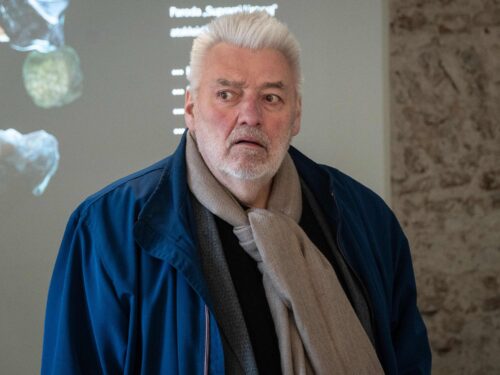
The participants of the upcoming discussion at the Vilnius Book Fair will raise a key question: Is it time to take a further step and clearly distinguish the heritage of Kyivan Rus from that of the modern Russian Federation, which emerged from the Grand Duchy of Moscow?
By calling itself Russia and its people Russians, the Russian Federation seeks to unilaterally appropriate the history and legacy of Kyivan Rus. In fact, it is the people of medieval Kyivan Rus who should rightfully be called Rus’.
In the early stages of state formation, East Slavic tribes did not use the name Rus’ to describe themselves. Initially, the term referred to the prince’s close circle—his retainers, Scandinavian Viking warriors, tribute collectors, and those who arrived by ships. The word Rus’ is linked to the Old Norse term rōþr, meaning rower or voyage by oared ship. Only later did the term come to denote the land of Kyivan Rus, its territory, and all its inhabitants.
Historian Prof. Dr. Alfredas Bumblauskas notes that we still struggle to recognize distinct historical phenomena within the vast concept of “Rus”. He was one of the first scholars to call for a clearer separation between Russia and Rossiya: “We need to distinguish Rossiyans from Russians, and we even need to refine our terminology in Lithuanian. Rusia is the right word to denote the Rus’ cultural and historical sphere before the era of Rossiyans, before Rossiyan imperialism. As Kyivan Rus declined, the Grand Duchy of Moscow emerged in what is now the Russian Federation. Its people should be referred to as Muscovites. Then we can speak of Rossiyans—the current citizens of the Russian Federation—and of Rossiya, the present-day Russian state,” says Bumblauskas.
In the video conversation between Alfredas Bumblauskas and archaeologist Dr. Aleksejus Luchtanas, presented in the exhibition Kyivan Rus. The Beginning, they emphasize that Polish makes this distinction linguistically clear: the terms “ruski” and “rosyjski” refer respectively to Rus’ and Rossiya, enabling a separation of their historical narratives.
A Grassroots Initiative
Dr. Violeta Meiliūnaitė points out that, typically, the renaming of countries occurs at the initiative of the countries themselves, leading to updates in international standards and, subsequently, changes in how those countries are referred to in Lithuanian. For example, this was the case with Macedonia becoming North Macedonia. A more recent example—Georgia—is exceptional: the country did not change its official name but requested to be called as it sounds in the Kartvelian language. She also highlights the importance of preserving historical memory and encouraging the use of traditional place names. For instance, Karaliaučius is promoted alongside Kaliningrad, and Gudija alongside Belarus. Therefore, based on a resolution by the State Commission of the Lithuanian Language, traditional names are mandatory in school textbooks and transport signage.
Thus, different name variants can emerge for various reasons. However, a case where society considers replacing a traditional name with centuries of usage would be completely unique. This would lead to a situation where two names exist in parallel, and the public decides which one it finds more acceptable. In this light, the upcoming discussion is first and foremost an opportunity for the public to assess its own stance.
-
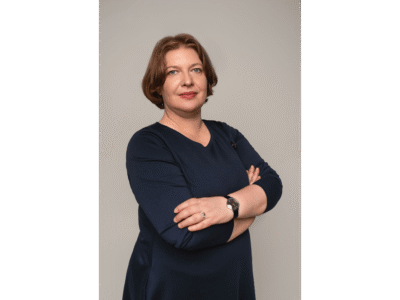
- Dr. Violeta Meiliūnaitė, Chair of the State Commission of the Lithuanian Language. Photo by VLKK
-
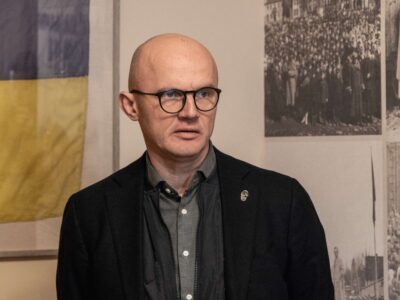
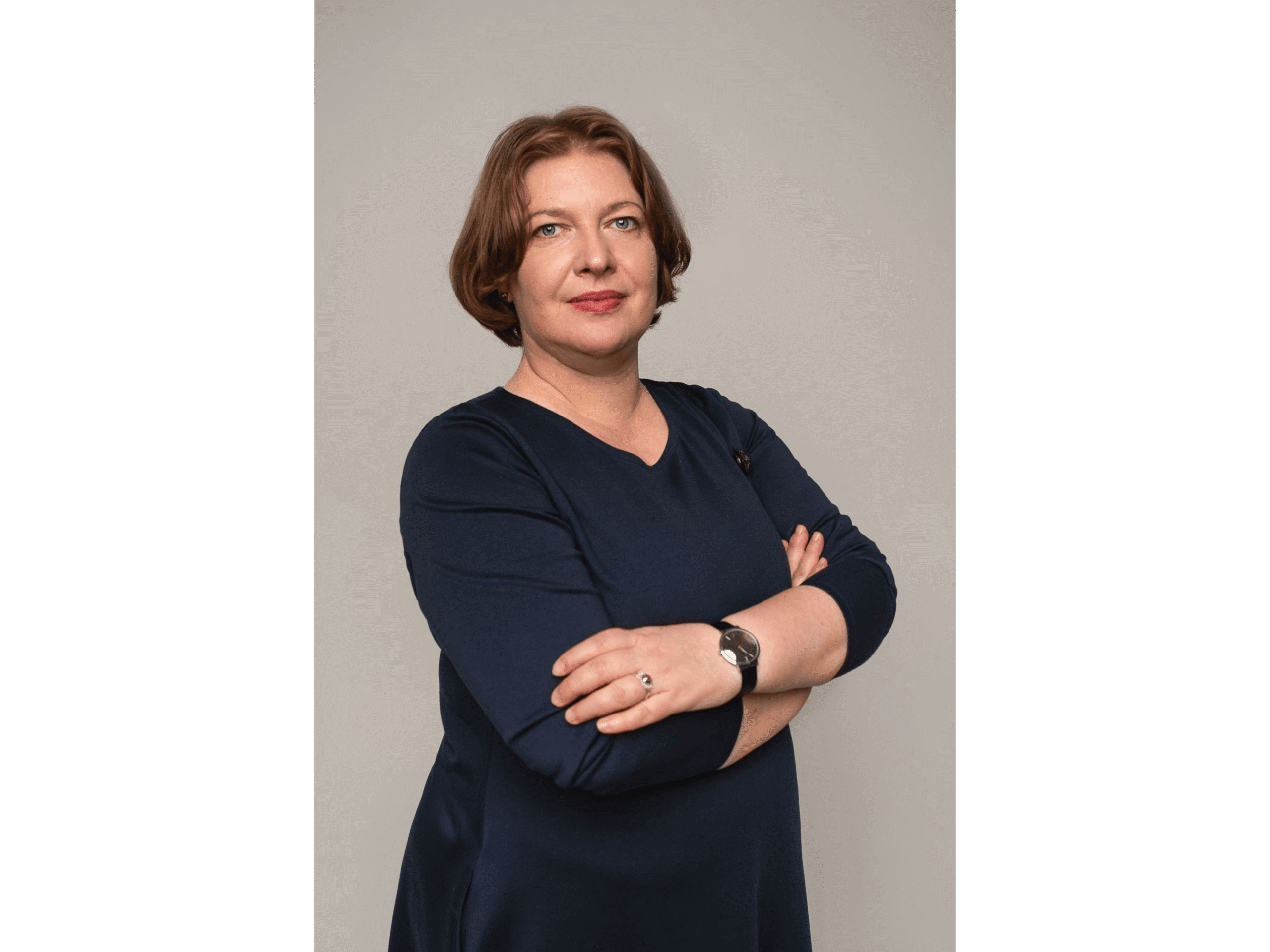
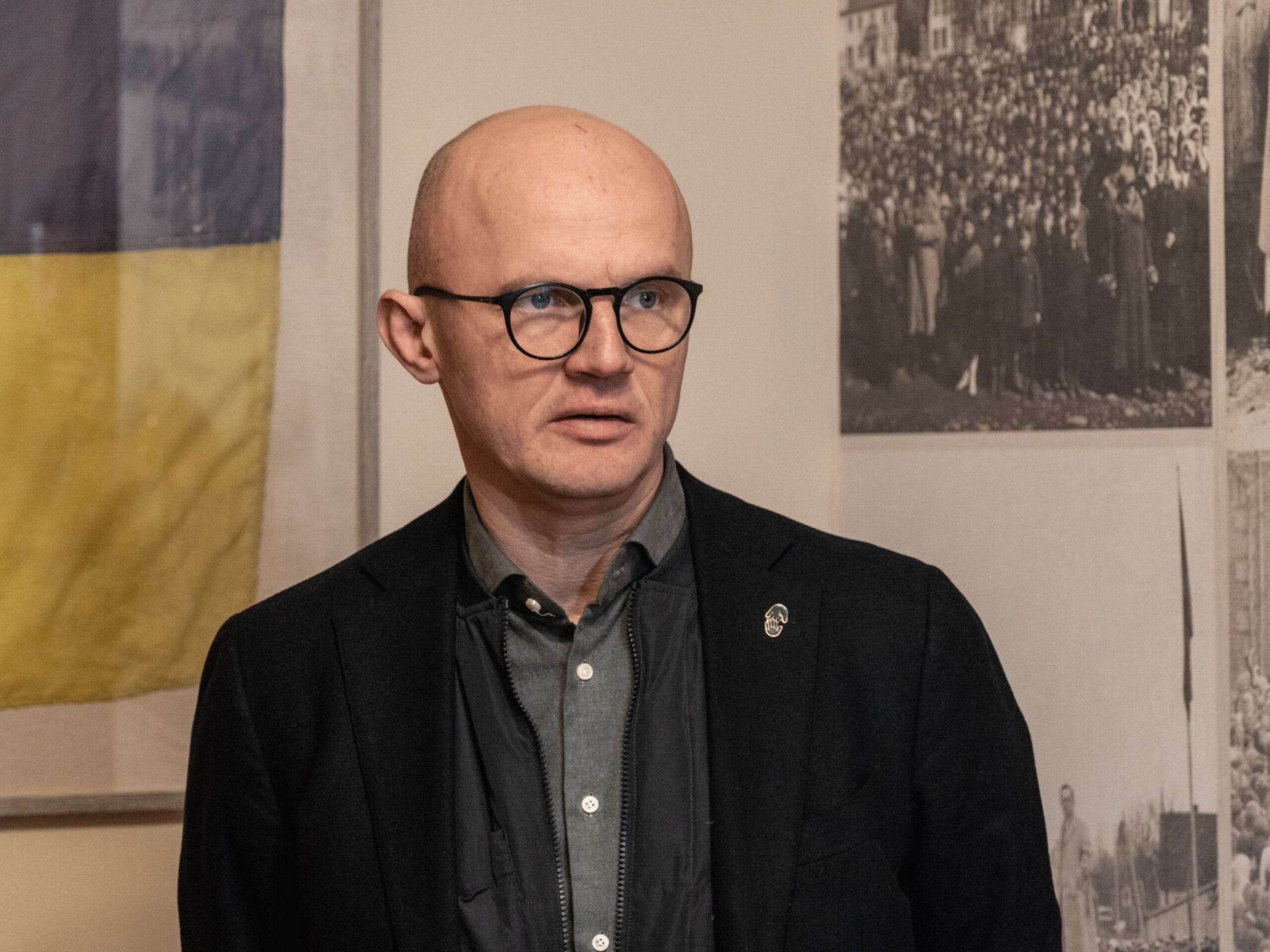
- Journalist Edmundas Jakilaitis, Head of the Organization “Stiprūs kartu”. Photo by Augustinas Bėkšta, LNM
“Language gives names to things, but first we must understand them,” says Violeta Meiliūnaitė. “The emergence of an alternative name would offer a choice and allow us to see whether it gains acceptance. Already back in 2023, various names—Maskolija, Maskovija—were circulating in public discourse. Even today, people still use these unofficial names. Introducing such an option would also encourage a discussion: why the difference matters, and why it’s important to understand it.”
The moderator of the discussion, Edmundas Jakilaitis, also invites the public to take part:
“Museums have proven time and again that they can serve as platforms for dialogue. This conversation is not about making immediate decisions. We aim to initiate a conceptual debate on the issue and gauge public opinion. And in order to form an opinion, people must first know the facts and understand the context. That’s our goal. Russia and Belarus—or Rosija and Gudija? The difference lies not only in the words, but in the meanings we assign to them.”
The discussion “Should Russia be renamed Rosija? Historical, Political, and Cultural Contexts” will take place at the 15 MIN Forum on March 1 at 4:00 p.m. during the Vilnius Book Fair. The event will be moderated by journalist and head of the Stiprūs kartu initiative Edmundas Jakilaitis. Participants will include Dr. Rūta Kačkutė, Director General of the National Museum of Lithuania and co-curator of the exhibition Kyivan Rus. The Beginning, Professor Dr. Alfredas Bumblauskas of Vilnius University’s Faculty of History, and Dr. Violeta Meiliūnaitė, Chair of the State Commission of the Lithuanian Language.
One Euro per Ticket for Ukraine
The National Museum of Lithuania reminds visitors that every guest of the international exhibition Kyivan Rus. The Beginning contributes to a meaningful initiative: one euro from each ticket sold is donated to the Ukrainian museums that have lent exhibits for the exhibition. These include the National Museum of the History of Ukraine, the Institute of Archaeology of the National Academy of Sciences of Ukraine, the Lviv Historical Museum, and the Zaporizhzhia Regional Museum of Local Lore. This initiative highlights the ongoing need to support Ukrainian cultural institutions during these challenging times.
The international exhibition Kyivan Rus. The Beginning is open until March 30, 2025, at the House of Histories (T. Kosciuškos g. 3, Vilnius). The exhibition is held under the patronage of the President of the Republic of Lithuania, Gitanas Nausėda.
-
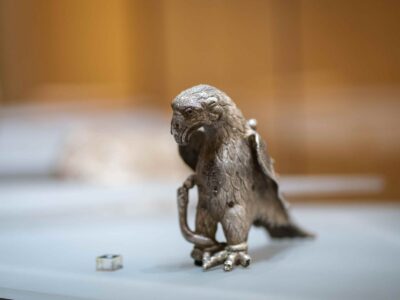
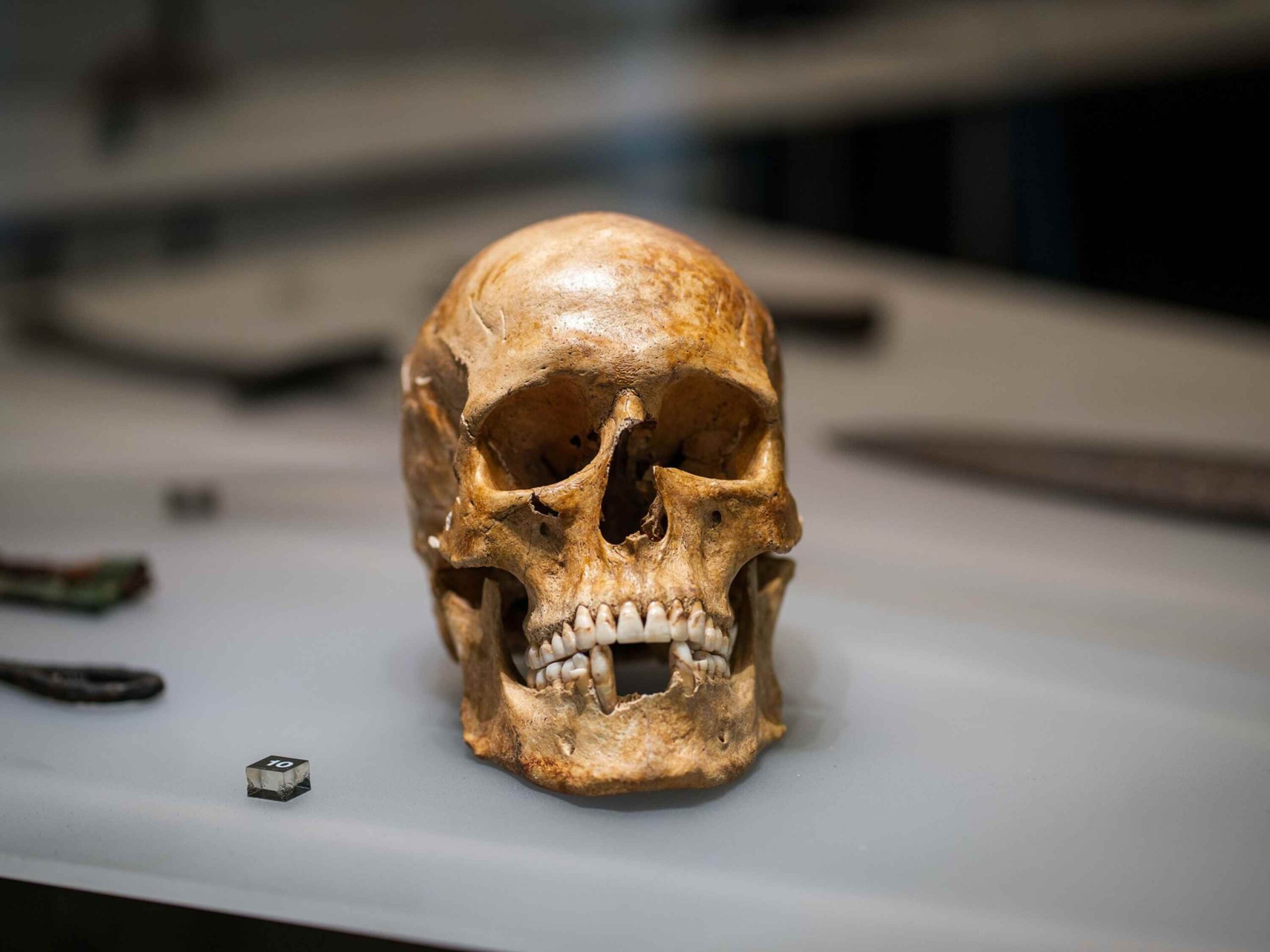
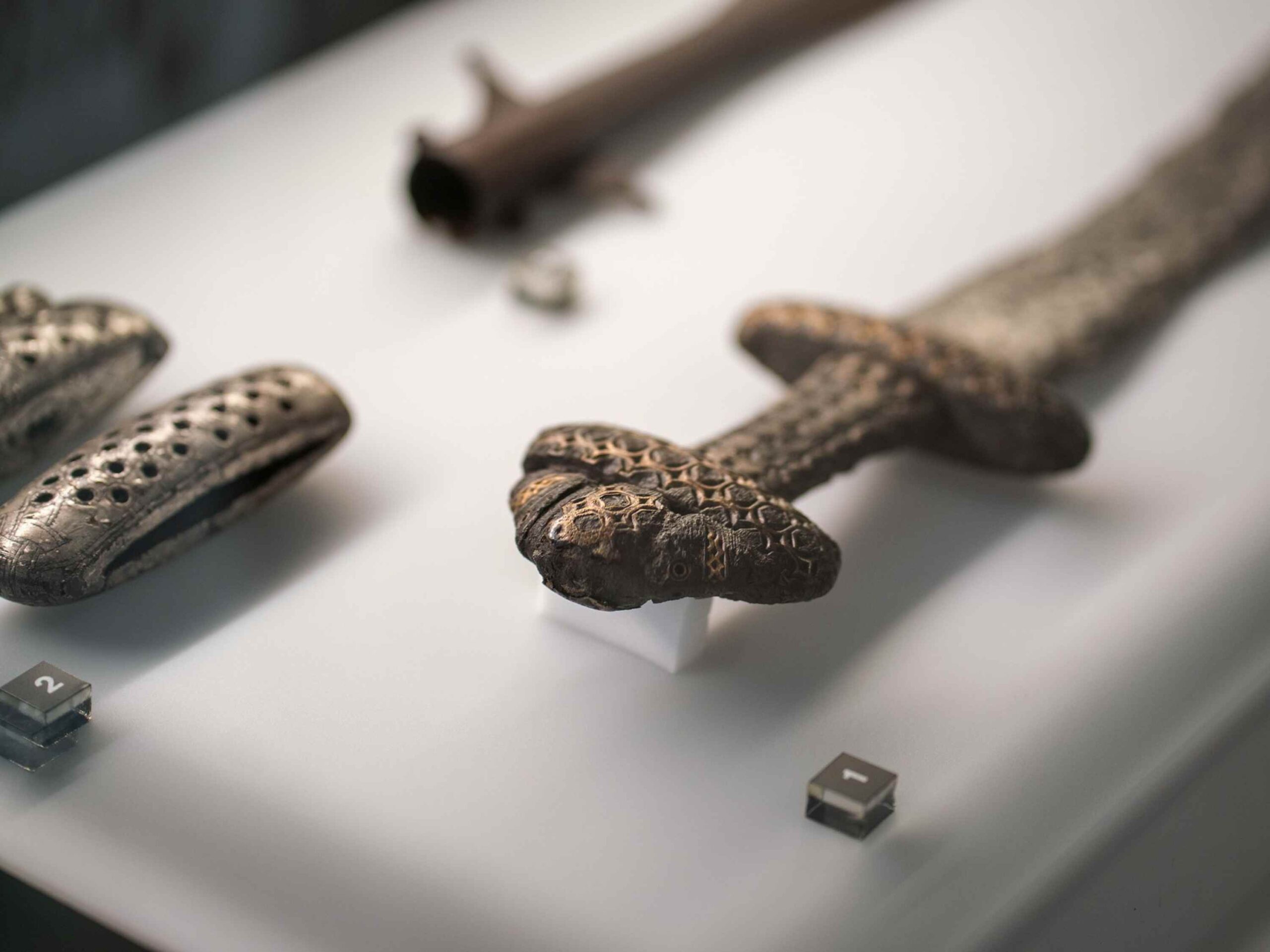
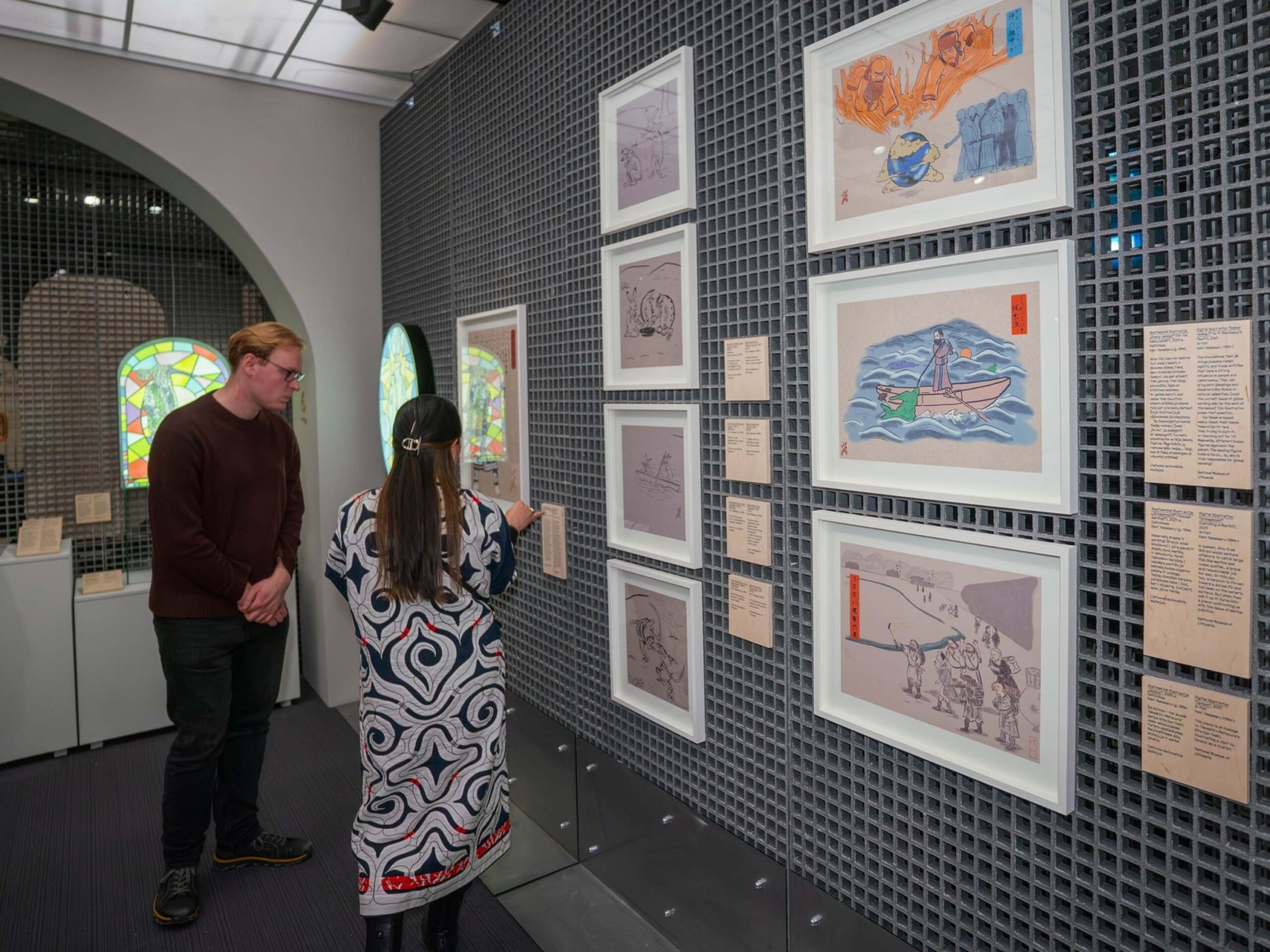
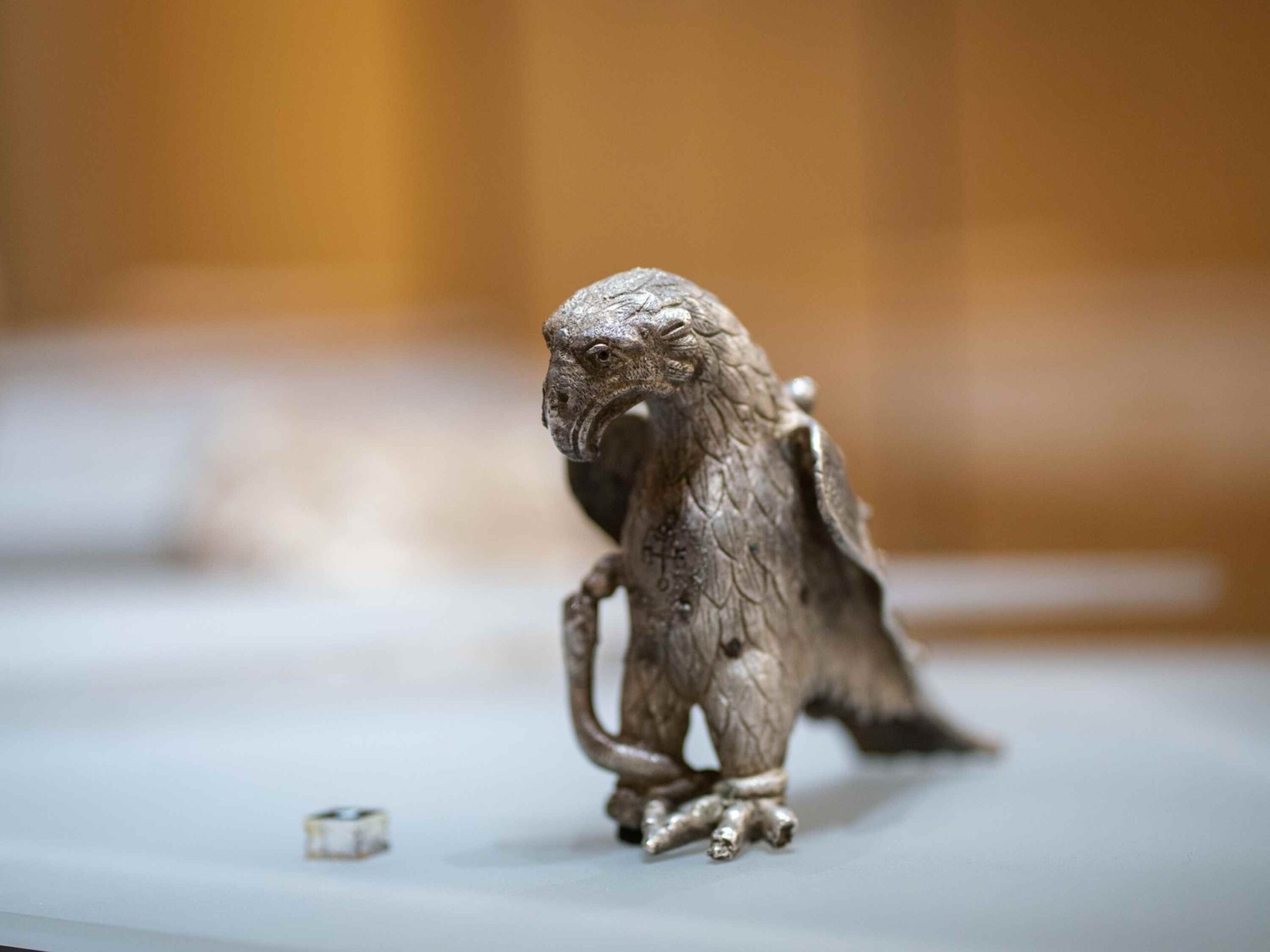
- International exhibition Kyivan Rus. The Beginning at the House of Histories. Photo by Silvestras Samsonas, LNM
-
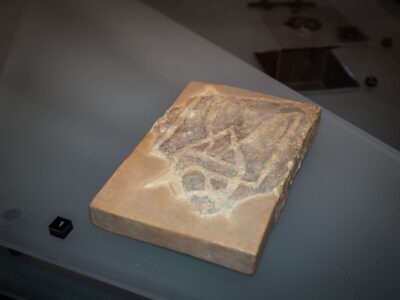
- International exhibition Kyivan Rus. The Beginning at the House of Histories. Photo by Silvestras Samsonas, LNM
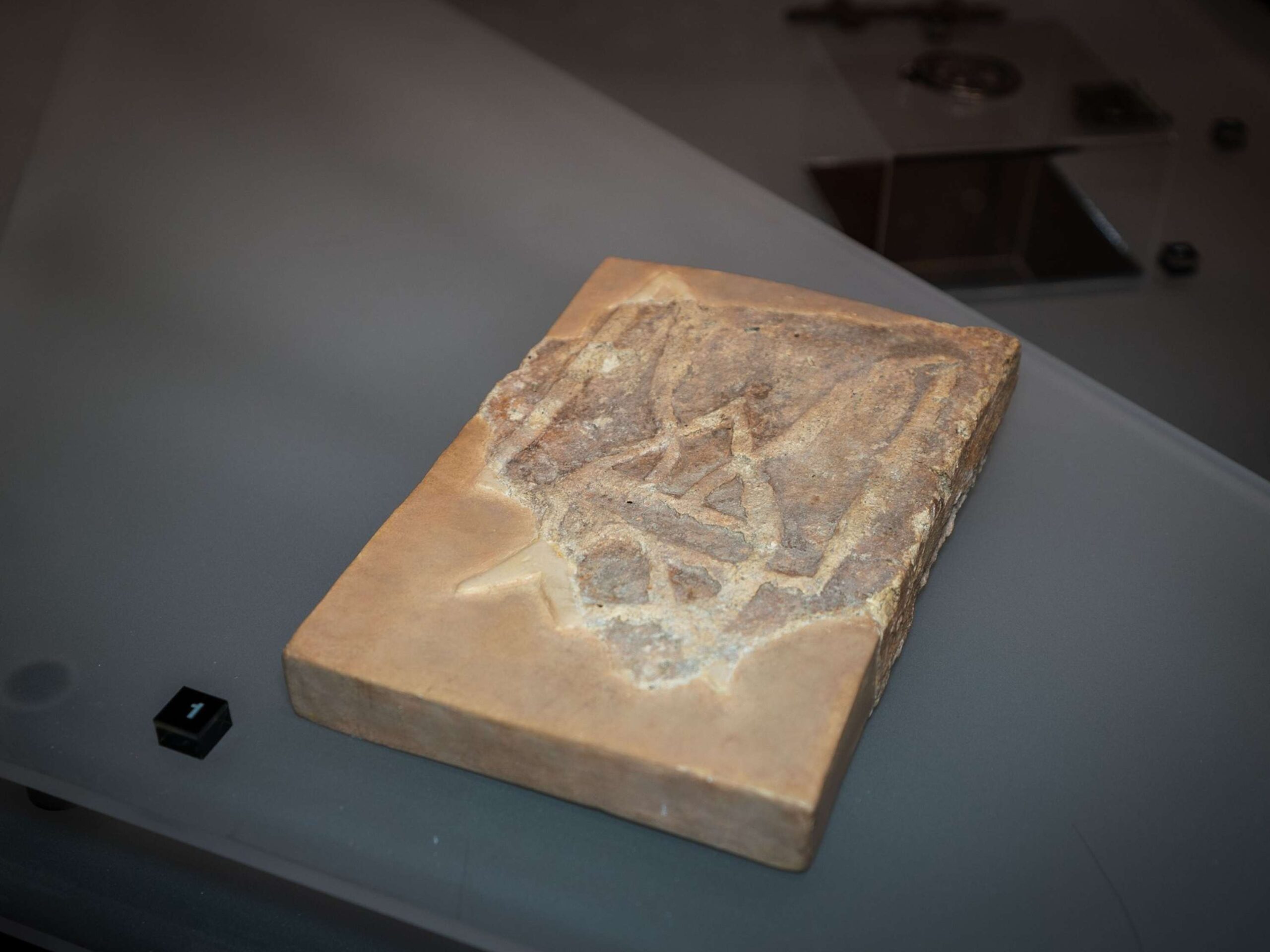
-
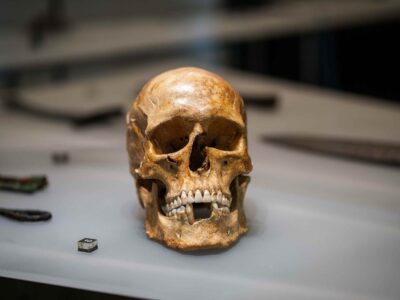
- International exhibition Kyivan Rus. The Beginning at the House of Histories. Photo by Silvestras Samsonas, LNM