Youth Insights Help Shape the Exhibition on Barbara Radziwiłł and Catherine Jagiellon
2025 05 19
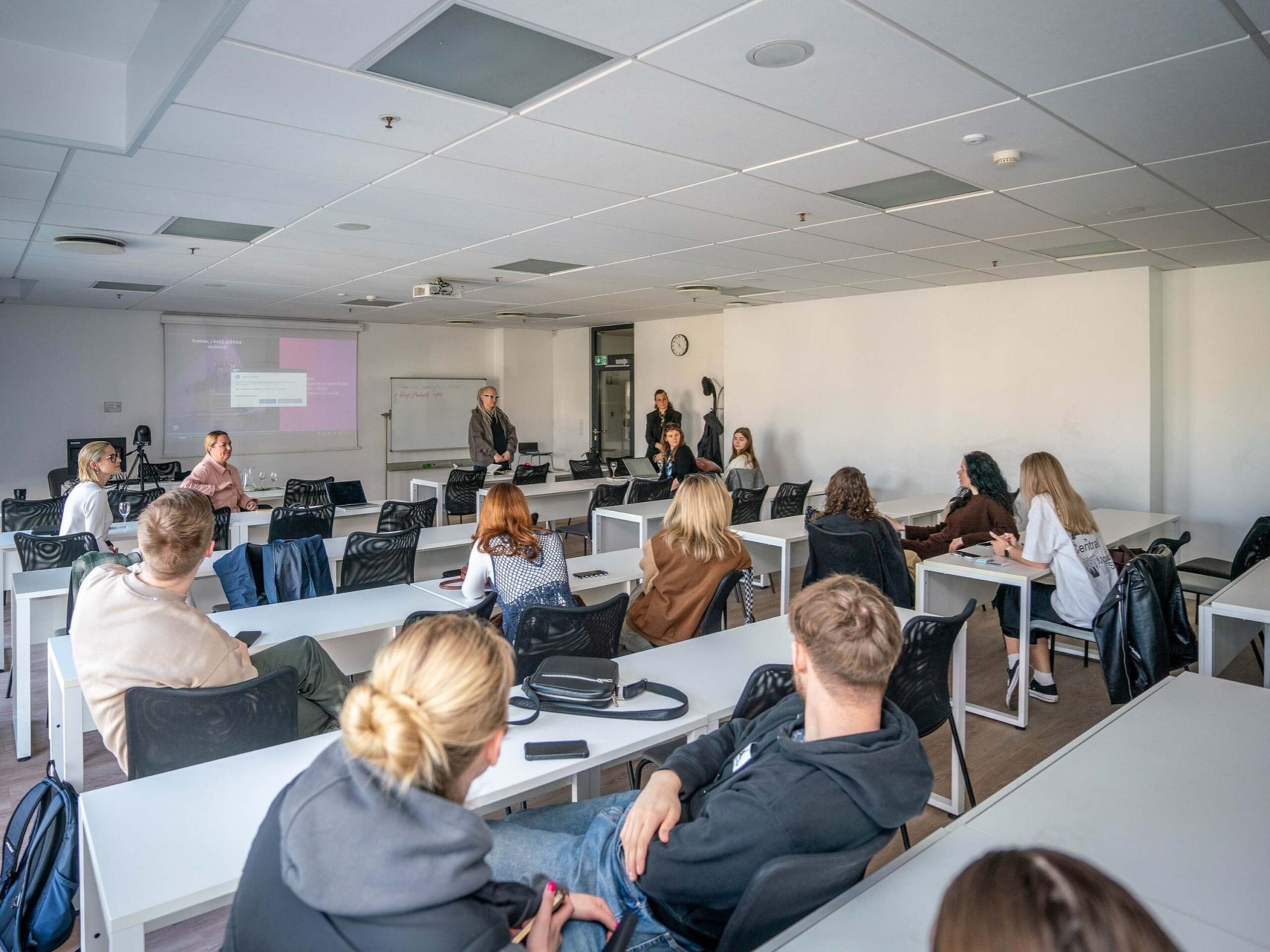
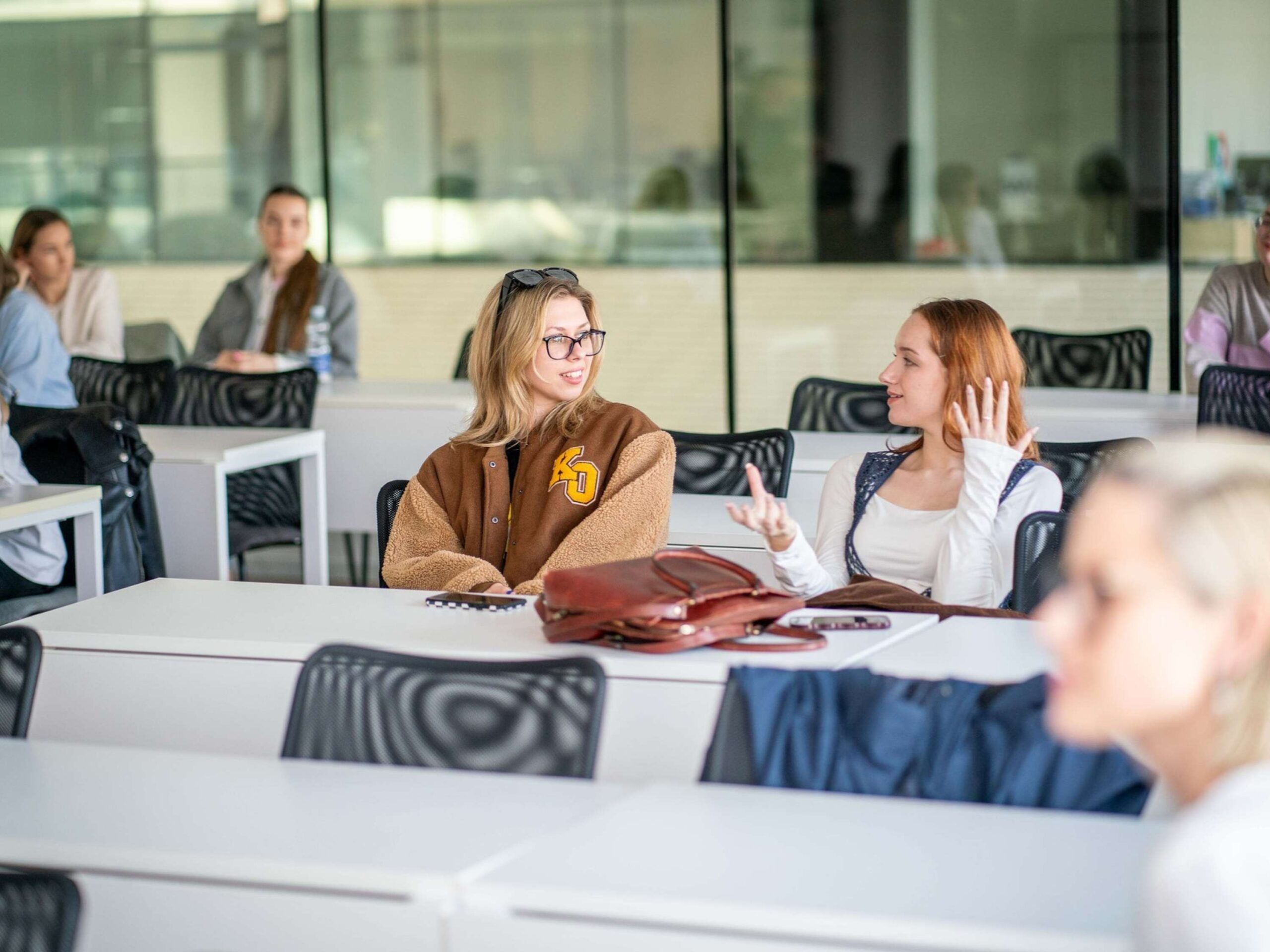
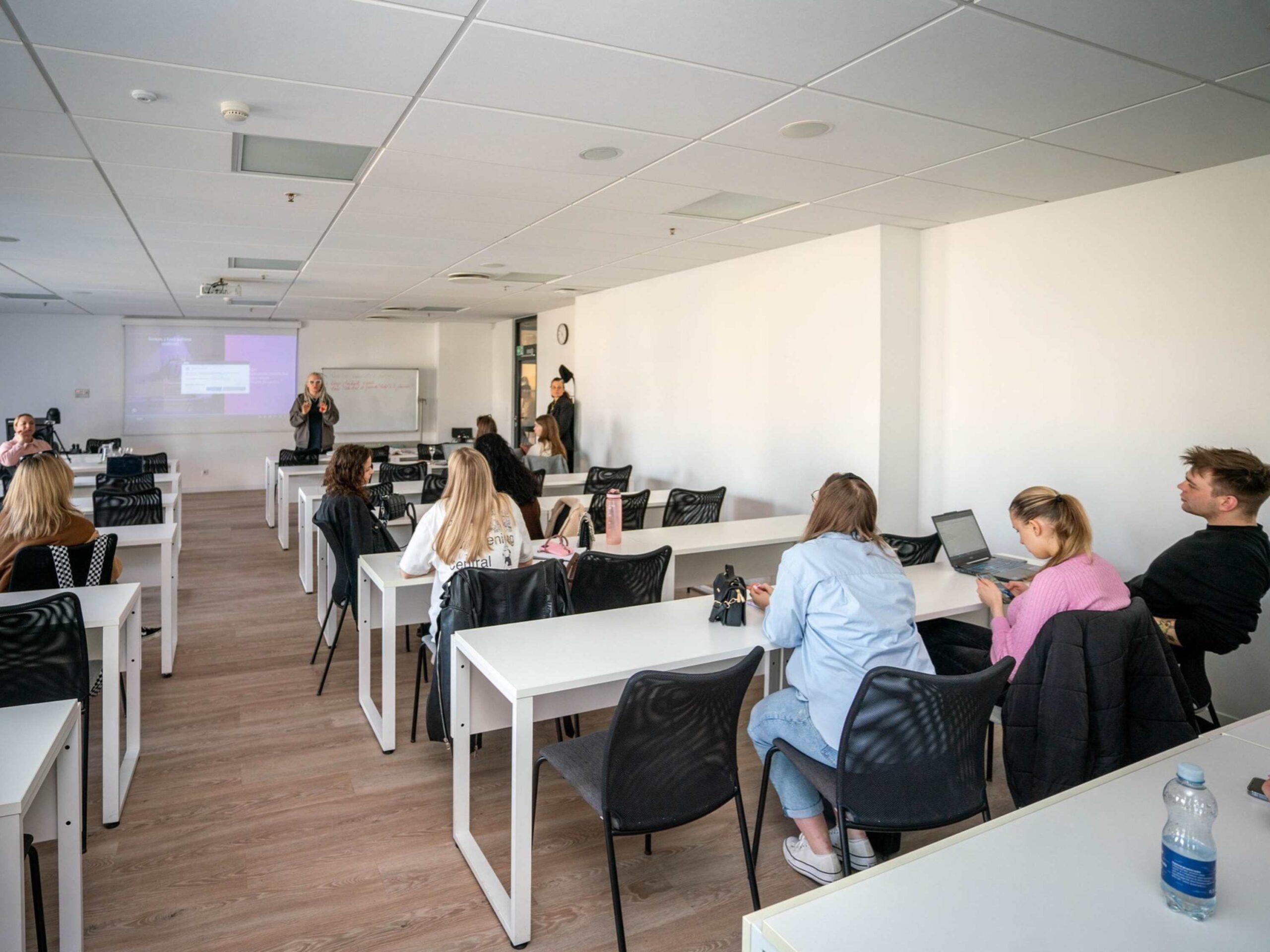
The National Museum of Lithuania aims not only to present exhibitions in a relevant way to the public, but also to co-create them with the public. The museum is actively seeking new forms of communication with its audiences, and one such form is a dialogue with higher education institutions. A creative workshop and focus group discussion took place at SMK University of Applied Social Sciences in Vilnius as part of the development process for the upcoming international exhibition “The Queen, the Kingdom, and the Feelings”, to be held at the House of Histories.
During the event, students were introduced to the exhibition’s concept, architecture, visual identity, and exhibits. Following the introductory presentation, participants split into groups to generate ideas on how to further strengthen the exhibition’s connection with its audience.
The exhibition “The Queen, the Kingdom, and the Feelings”, opening on June 4 at the National Museum of Lithuania’s House of Histories, will present the lives and cultural legacies of two remarkable women – Barbara Radziwiłł and Catherine Jagiellon. In preparing the exhibition, the museum seeks to engage with diverse audiences and listen to their expectations – with particular attention paid to the voice of the younger generation in this case.
Valuable Insights
One of the exhibition’s curators, Julija Janus (co-curators are historian Dr. Milda Kvizikevičiūtė and art historian Dr. Vaida Ragėnaitė), explains that one of the most anticipated audience groups for the exhibition is young people aged 15–25. Therefore, it is especially important for the creative team to hear their opinions and work together to find ways to make the exhibition understandable and engaging for them.
“Young people’s insights into how the exhibition could be more relevant to them – both in terms of content and form – are very important to the entire creative process. We care about the younger generation because it is for them that we are telling this story – we want it to resonate with them and draw them in,” says J. Janus.
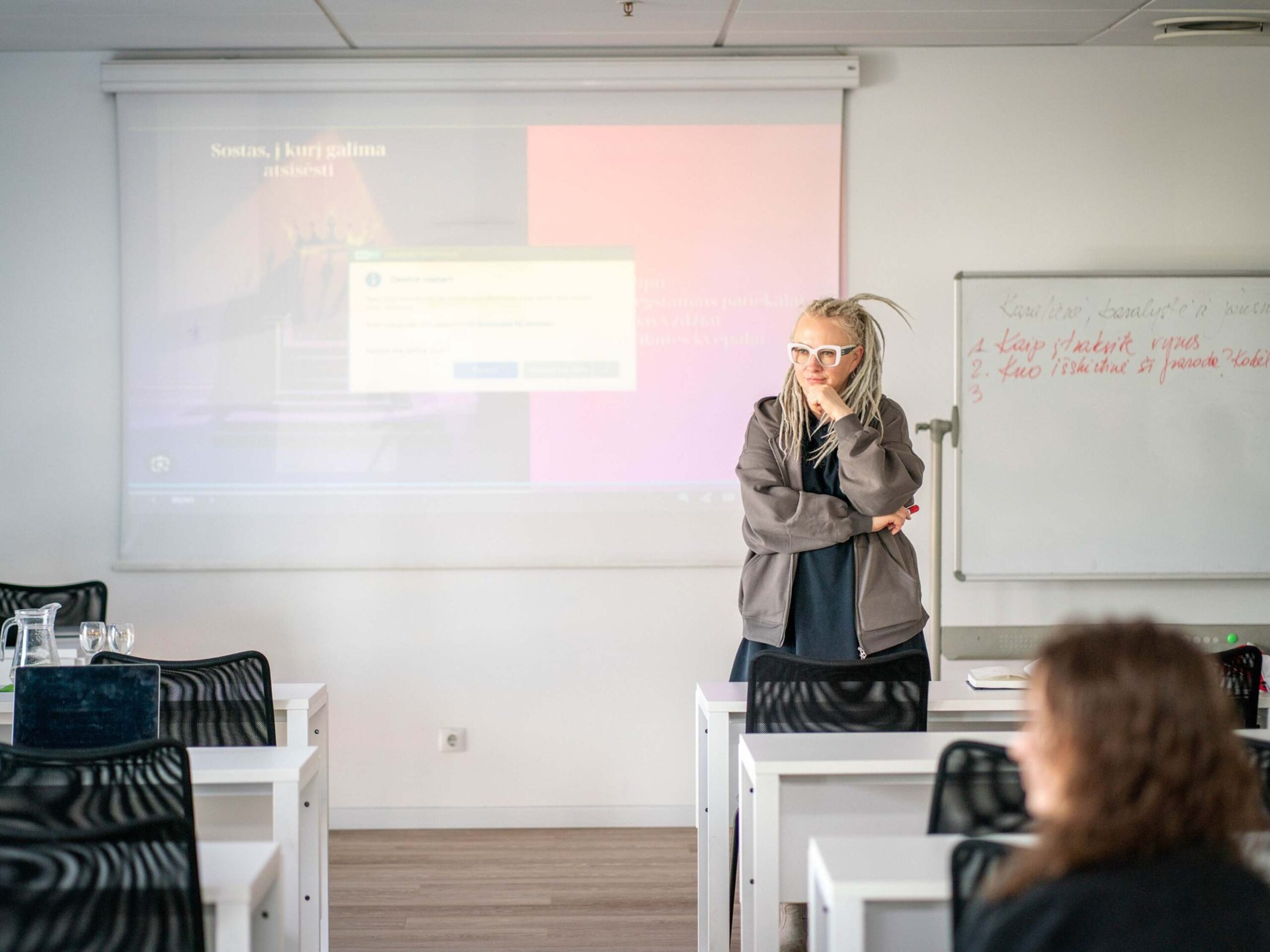
Such research activities offer students not only the opportunity to apply their knowledge in practice and creatively engage with cultural processes, but also provide valuable feedback for the museum. Student insights help the museum view the future exhibition’s communication from a new perspective, refine its core messages, visual solutions, and educational approaches.
A focus group discussion is not only a way to test the exhibition but also a meaningful form of co-creation. Meetings like this allow institutions to hear how the exhibition concept is perceived by an audience whose perspective is often bolder and more open. This helps assess what works in the communication and where additional clarification or emotional depth may be needed.
This type of engagement reflects the museum’s openness to diversity. By involving young people in the creative process, the museum clearly signals that this is a space where youth voices are heard and valued. It strengthens inter-institutional trust and offers students a unique opportunity to apply their knowledge within a real cultural project. Such collaboration demonstrates that museums in Lithuania can operate differently – with more courage, openness, and attentiveness to audience needs.
Historical and Cultural Awareness as Part of Education
Gabija Skučaitė, Head of SMK University of Applied Social Sciences, notes that this project is part of the institution’s educational mission.
“We see tremendous value in collaborating with the National Museum of Lithuania to help present the exhibition ‘The Queen, the Kingdom, and the Feelings.’ Historical and cultural understanding is a vital part of our educational mission – it is not only a way to explore the past but also a launchpad for bold and creative visions of the future. This exhibition highlights not only the layered lives of historical figures but also offers an opportunity to better understand how individual destinies become historical phenomena that can inspire today’s younger generation. Projects like this strengthen young people’s cultural awareness, aesthetic sensitivity, and invite them to dream, create, and take action. I truly believe that a strong cultural foundation is the cornerstone of modern education, enabling us to engage in meaningful dialogue about the human place in history, society, and the world,” says G. Skučaitė.
The international exhibition “The Queen, the Kingdom, and the Feelings” will open on June 4 at the House of Histories, part of the National Museum of Lithuania.
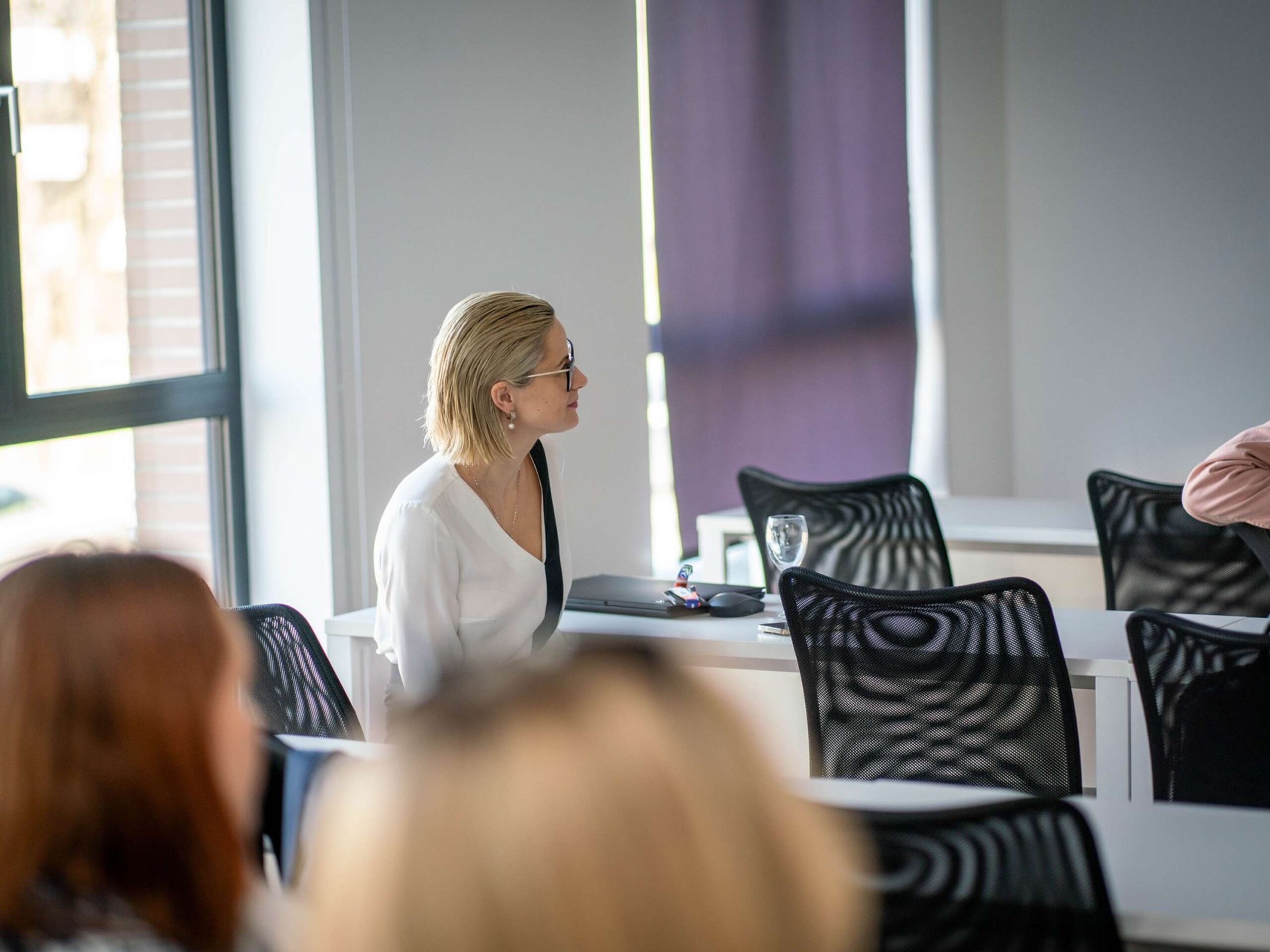
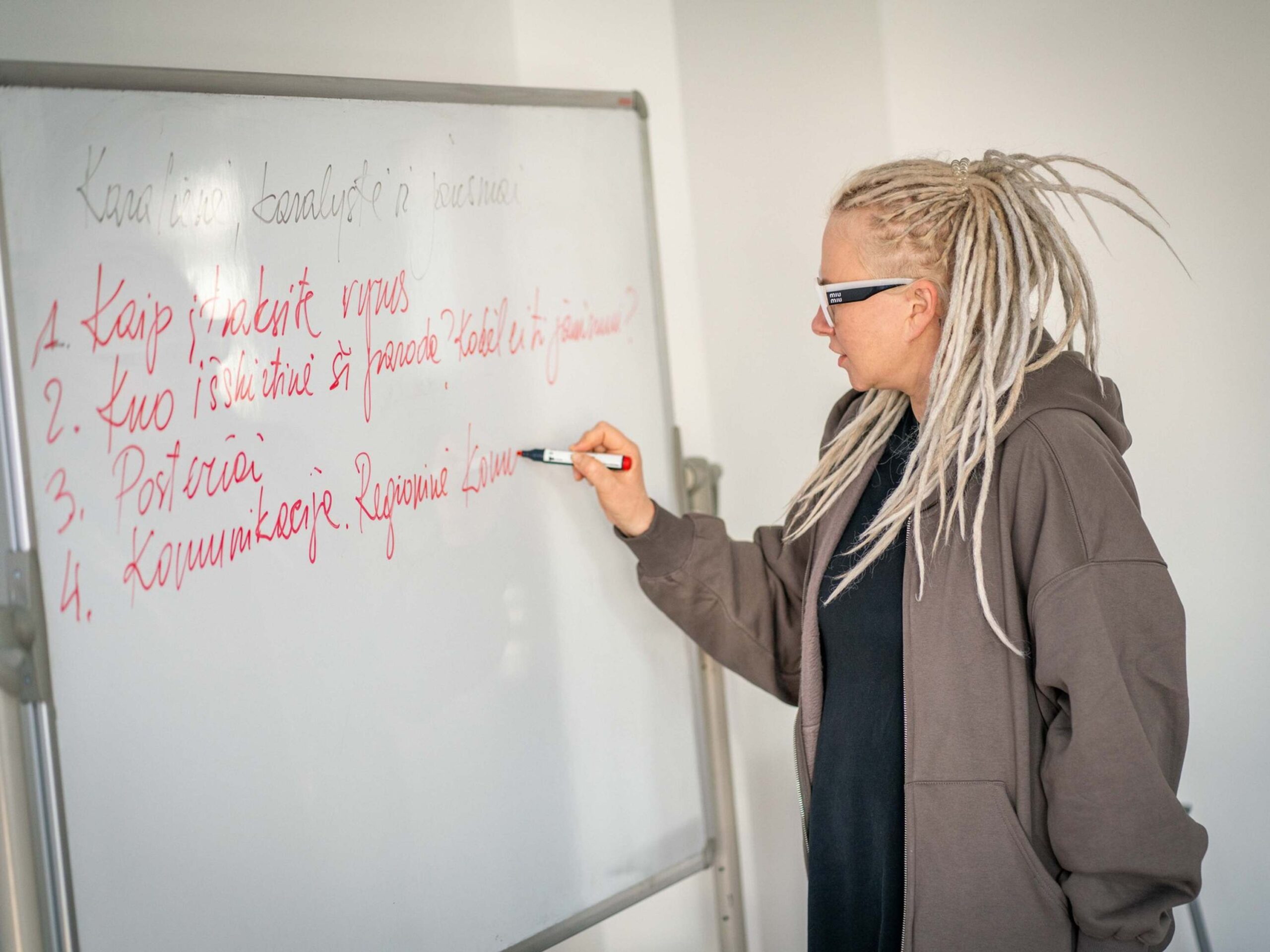
Photo by:Silvestras Samsonas, LNM