Symbols and Cultural Resistance in the Exhibition “QALQAN: Crimean Tatar Ornaments”
2025 03 06
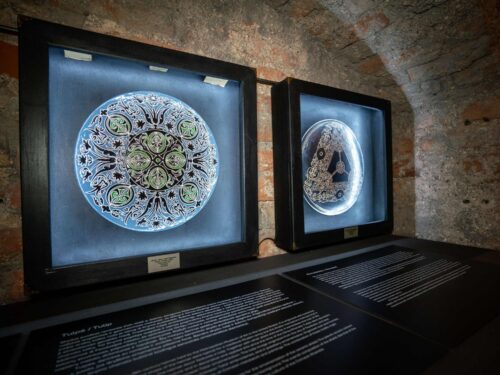
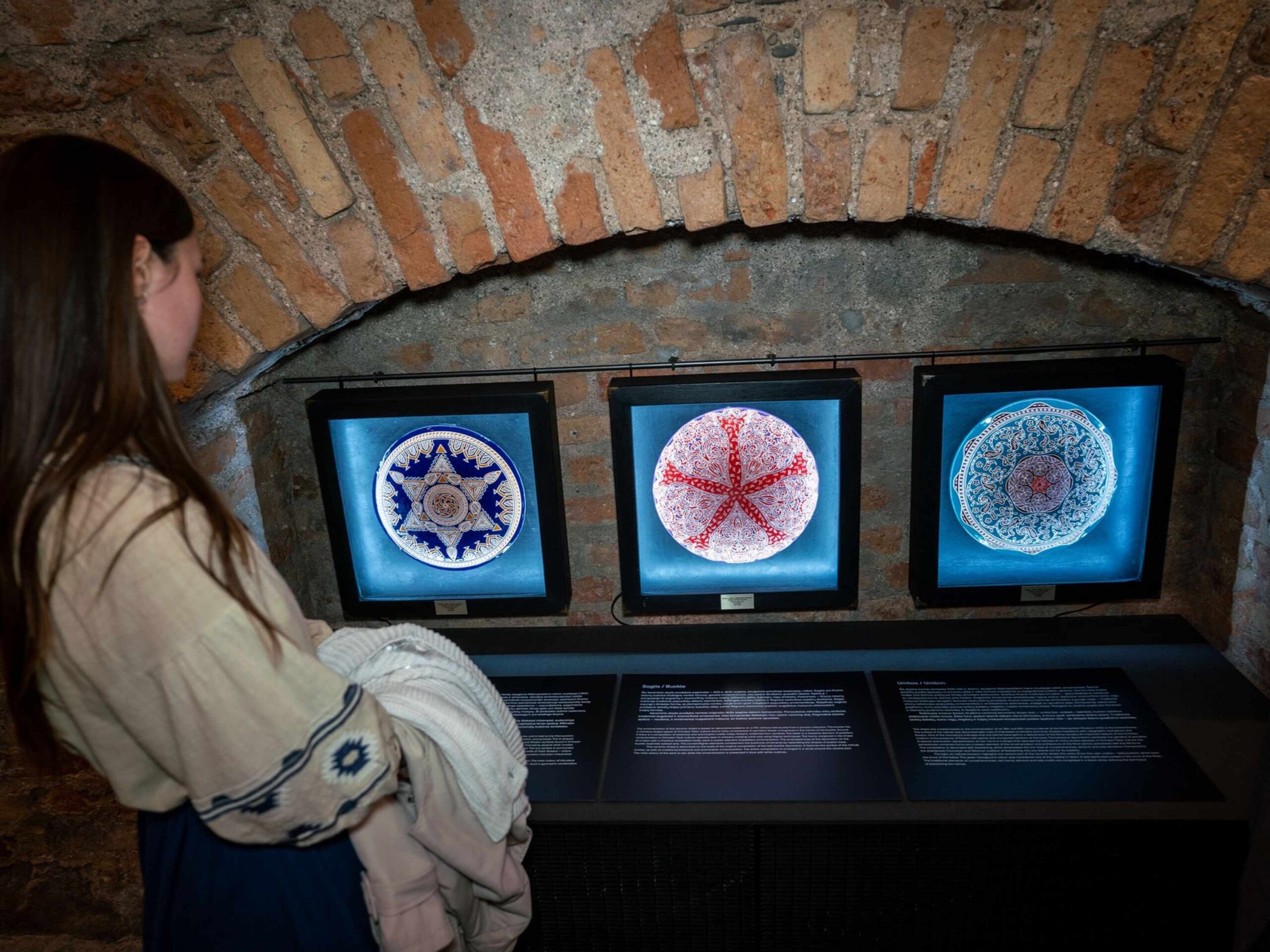
At the Bastion of the Vilnius Defensive Wall (Bokšto St. 20, Vilnius), a branch of the National Museum of Lithuania, visitors are invited to explore the language of Crimean Tatar ornaments and colors in the exhibition “QALQAN: Crimean Tatar Ornaments”, on view until April 27. The show features ceramic shield artworks—kalkans—by artist Rustem Skibin, brought from Ukraine. These works not only highlight the traditional artistry of the Crimean Tatars but also stand as symbols of national resistance, echoing the fight for cultural survival.
Defending Crimean Tatar Culture
The history of the Crimean Tatars is deeply tied to their enduring struggle for identity. Following the annexation of Crimea by the Russian Empire in the 18th century, a large number of Tatars were forced to leave their homeland. In 1944, the Soviet Union carried out a mass deportation of Crimean Tatars to Soviet Uzbekistan. More recently, after the Russian Federation re-annexed Crimea in 2014, the remaining Tatar community faced renewed repression. Yet, in exile, under pressure, and even in wartime, the Crimean Tatars continue to preserve their traditions.
Rustem Skibin, an artist based in Kyiv, is dedicated to safeguarding Crimean Tatar cultural heritage. His work involves researching and reviving the decorative elements of weapons and armor from the Crimean Khanate era. Through this effort, he aims to ensure the continuity and survival of cultural symbols. The kalkans featured in this exhibition reflect those traditional martial designs, bringing forward historical motifs, colors, and compositions. With his art, Skibin tells a story of national identity—one marked by the ongoing fight for survival and the right to one’s land.
-

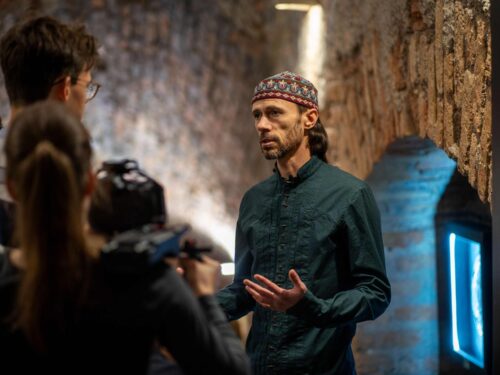
- Rustem Skibin at the exhibition “QALQAN: Crimean Tatar Ornaments”. Photo by Silvestras Samsonas, LNM
-
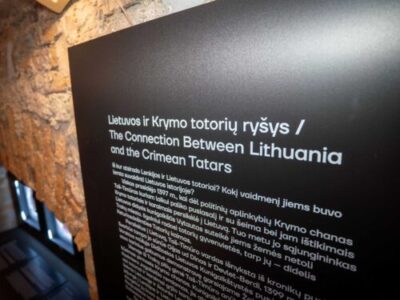
- Exhibition “QALQAN: Crimean Tatar Ornaments”. Photo by Silvestras Samsonas, LNM
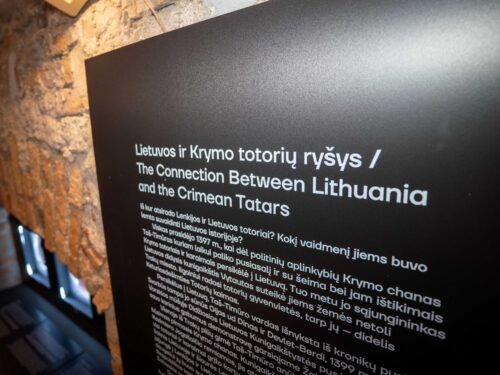
Kalkans – A Metaphor of Resistance
Each piece in the exhibition is not only a visually striking artwork but also a metaphor for resistance. The decorated ceramic shields—kalkans—reflect Ukraine’s current stance in defending its territory, independence, and cultural heritage from Russian aggression. It is important to remember that Crimean Tatars are also fighting in this struggle, with the Crimean Battalion serving alongside the Ukrainian army to defend the country’s freedom.
Over centuries of oppression, much of the Crimean Tatars’ historical heritage was looted or destroyed by occupying forces. The shields displayed in this exhibition become tools of cultural defense—a bold expression of national identity that invites visitors to reflect on the importance of preserving cultural heritage in today’s geopolitical context. Each restored ornament, every color and shape, makes a powerful statement: the Crimean Tatar people exist, endure, and will not surrender.
The Symbolism of Ornaments and Colors
The ornamental motifs and color schemes used in Crimean Tatar decorative arts have been passed down through generations. Like in many folk art traditions, they carry encoded meanings and narratives. Here are a few symbols commonly found in Crimean Tatar designs, interacting within each work to express layered cultural significance.
-
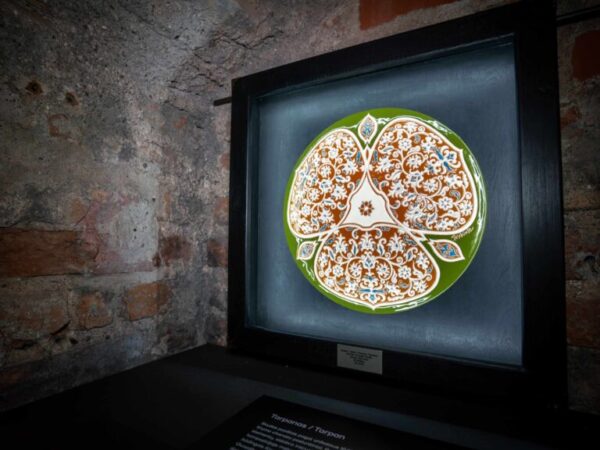
- Exhibition “QALQAN: Crimean Tatar Ornaments.” Photo by Silvestras Samsonas, LNM
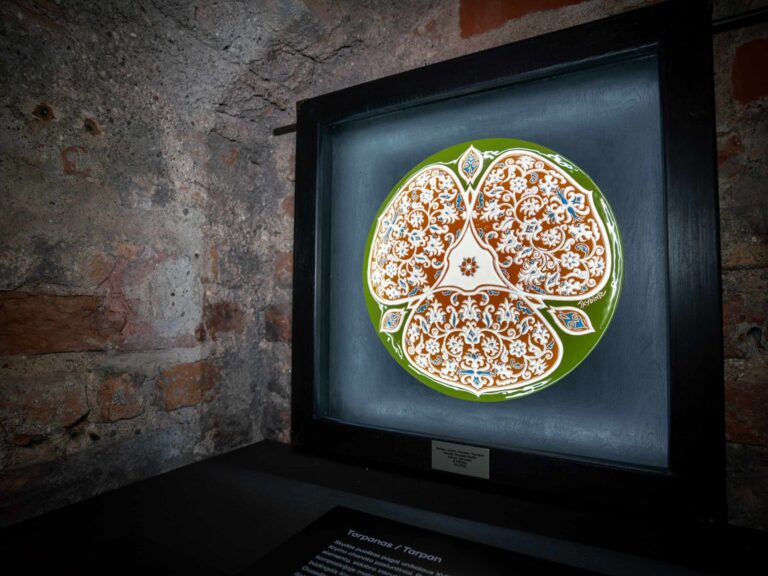
The Symbolism of Ornaments and Colors in Crimean Tatar Art
Floral motifs in Crimean Tatar decorative art symbolize the gardens of paradise. A central element is the Egri dal motif—a winding branch adorned with an abundance of flowers and fruits. Prominently featured is the Tree of Life, representing continuous growth and the unbroken thread of tradition.
The tulip, one of the most important symbols in Crimean Tatar ornamentation, stands for masculinity, warrior spirit, and honor. The rose, on the other hand, represents femininity and is one of the key icons of their ornamental tradition. The carnation symbolizes wisdom and accumulated life experience. Another frequently used motif is that of horns, denoting vital energy—a symbol often found in the decoration of armor and weaponry.
Geometric shapes are also common, with one of the most popular being the mihrab arch—a form inspired by the arched niche in mosques that indicates the direction of Mecca. The hexagram, or six-pointed star, is regarded as a symbol of protection and celestial order.
The Meaning of Colors. Color also carries significant meaning:
-
Green is considered sacred in Islam and symbolizes the gardens of paradise and nature. It was highly valued in the courts of the Crimean Tatar rulers.
-
Blue is seen as a blessed color in Islam and is associated with the sky and divine grace in Crimean Tatar ornamentation.
-
Gold tones, dating back to the era of the Crimean Khanate, represent nobility, prosperity, and power.
Learn more by visiting the exhibition “QALQAN: Crimean Tatar Ornaments” at the Bastion of the Vilnius Defensive Wall, a branch of the National Museum of Lithuania (Bokšto St. 20, Vilnius). The exhibition runs until April 27, 2025.
-
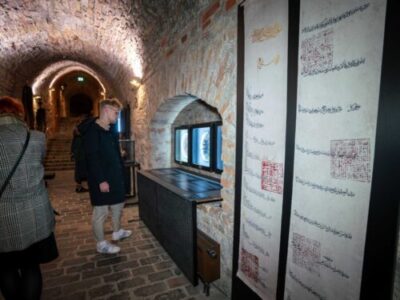
- Exhibition “QALQAN: Crimean Tatar Ornaments.” Photo by Silvestras Samsonas, LNM
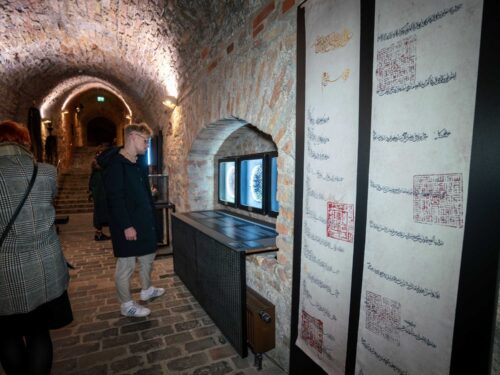
-
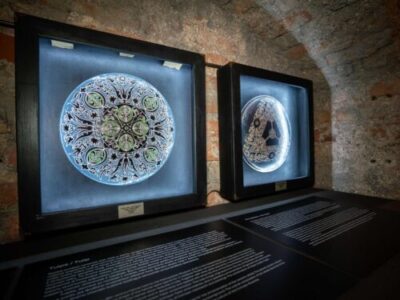
- Exhibition “QALQAN: Crimean Tatar Ornaments.” Photo by Silvestras Samsonas, LNM