Educators at the House of Histories on Their Daily Work: “Working with People Gives Us Hope”
2025 04 16
“Working with people gives us hope because you get to see how curious, wise, and inspiring they are,” says Vincentas Zienka, an educator at the National Museum of Lithuania. Working as an educator at the House of Histories is full of challenges—and deeply rewarding. Three of the museum’s educators—Audronė Daraškevičienė, Greta Gaidelytė, and Vincentas Zienka—invite us behind the scenes of their daily work.
Diverse Paths
Greta Gaidelytė didn’t come to the museum through a traditional background in the humanities—she studied political science and began training as a tour guide during the pandemic. “It’s one of those COVID-19 stories—when circumstances changed, I discovered how much I loved searching for stories and sharing them,” Greta explains.
Her first museum job was as an educator for the exhibition KovotoJOS XIX–XX, held at the former Lukiškės Prison 2.0. “I worked there for six months, and then I joined the team at the House of Histories,” she recalls.
-
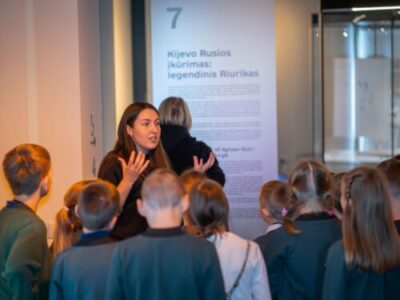
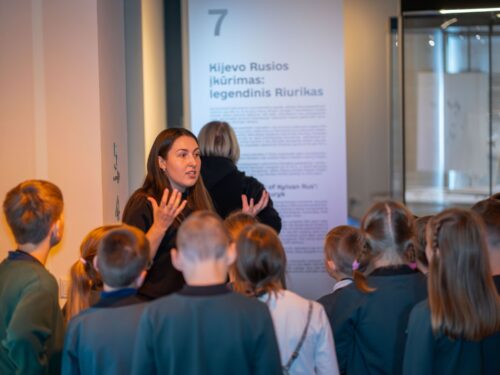
- Greta Gaidelytė, Educator at the House of Histories Photo by S. Samsonas / National Museum of Lithuania
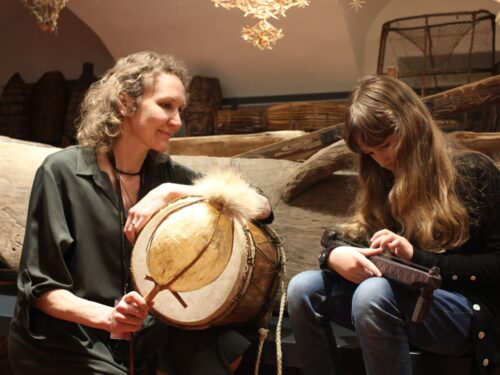
Audronė Daraškevičienė studied social anthropology and ethnology and worked in academia, focusing on children’s education from an anthropological perspective and publishing scholarly articles. Over time, however, she realized that she was more drawn to practical work. “Working at the museum, I feel that I’m in the right place—where I can apply my knowledge in a living, creative way and work directly with people,” she says.
-
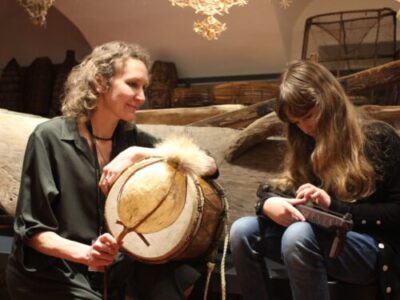
- Audronė Daraškevičienė, Educator at the House of Histories Photo by G. Pilkauskaitė / National Museum of Lithuania
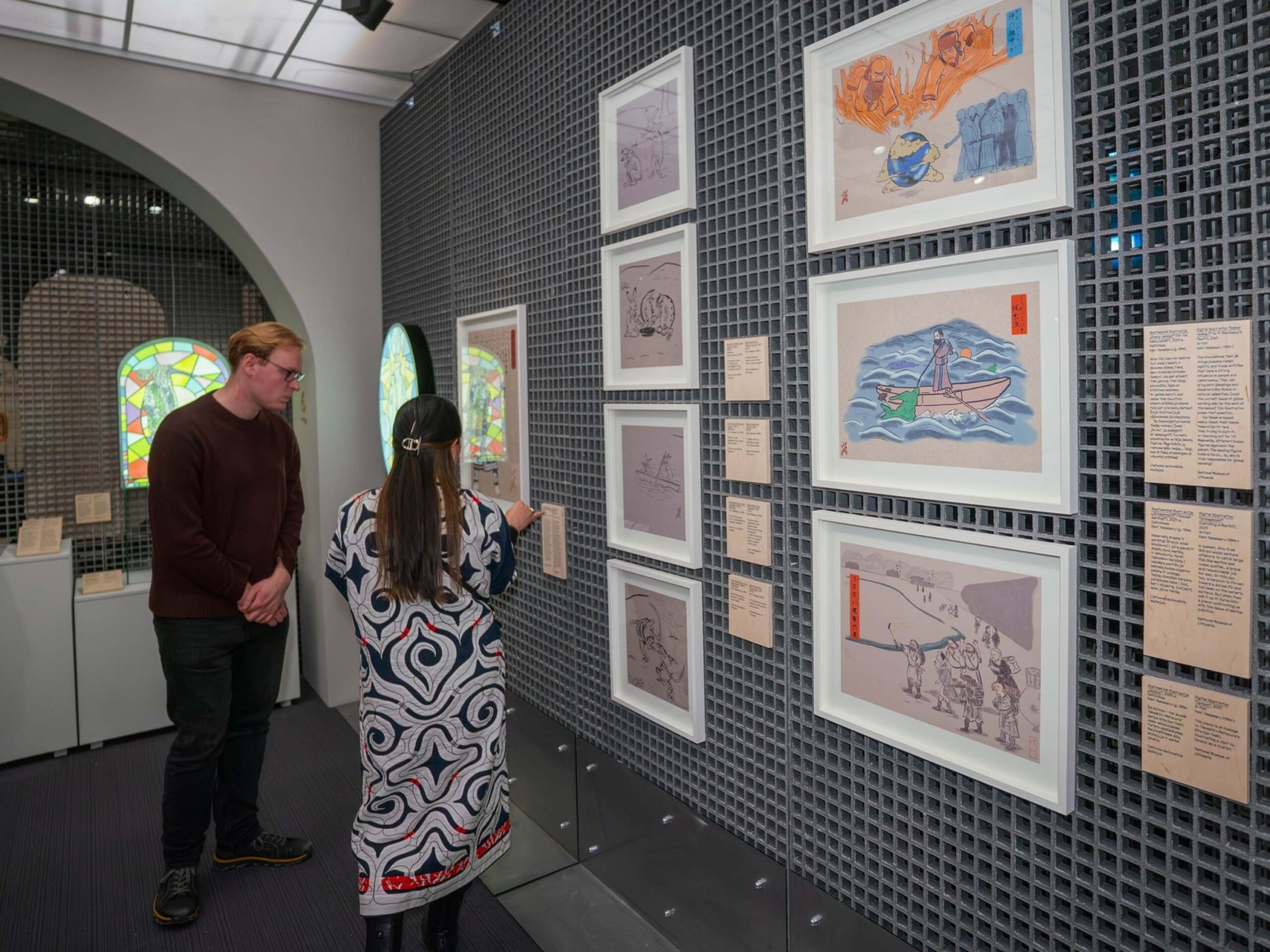
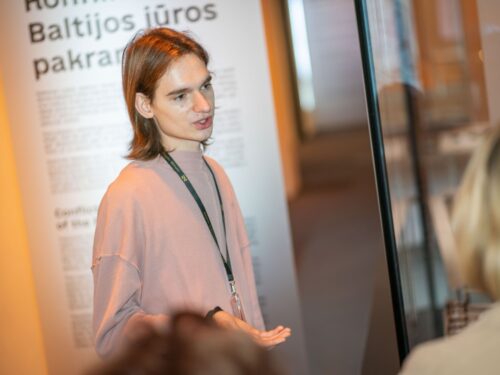
Vincentas Zienka, a student of art theory and curatorial studies, balances his university life with his work as a museum educator. He shares that early in his studies, he realized his interest lies in mediation. “My first professional journey was to the Venice Biennale, where I worked as a guide for three months. It was an incredibly enriching experience that helped me understand how important the role of a mediator is between the artwork and the viewer,” he explains.
-
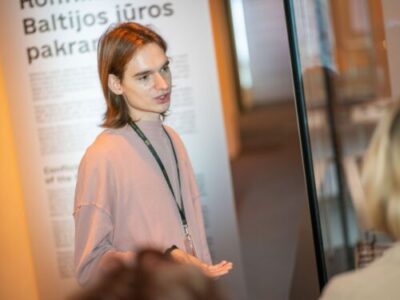
- Vincentas Zienka, Educator at the House of Histories Photo by S. Samsonas / National Museum of Lithuania
From Toddlers to Seniors
According to the educators, one of the most distinctive aspects of the House of Histories is its ever-changing international exhibitions and its wide range of audiences.
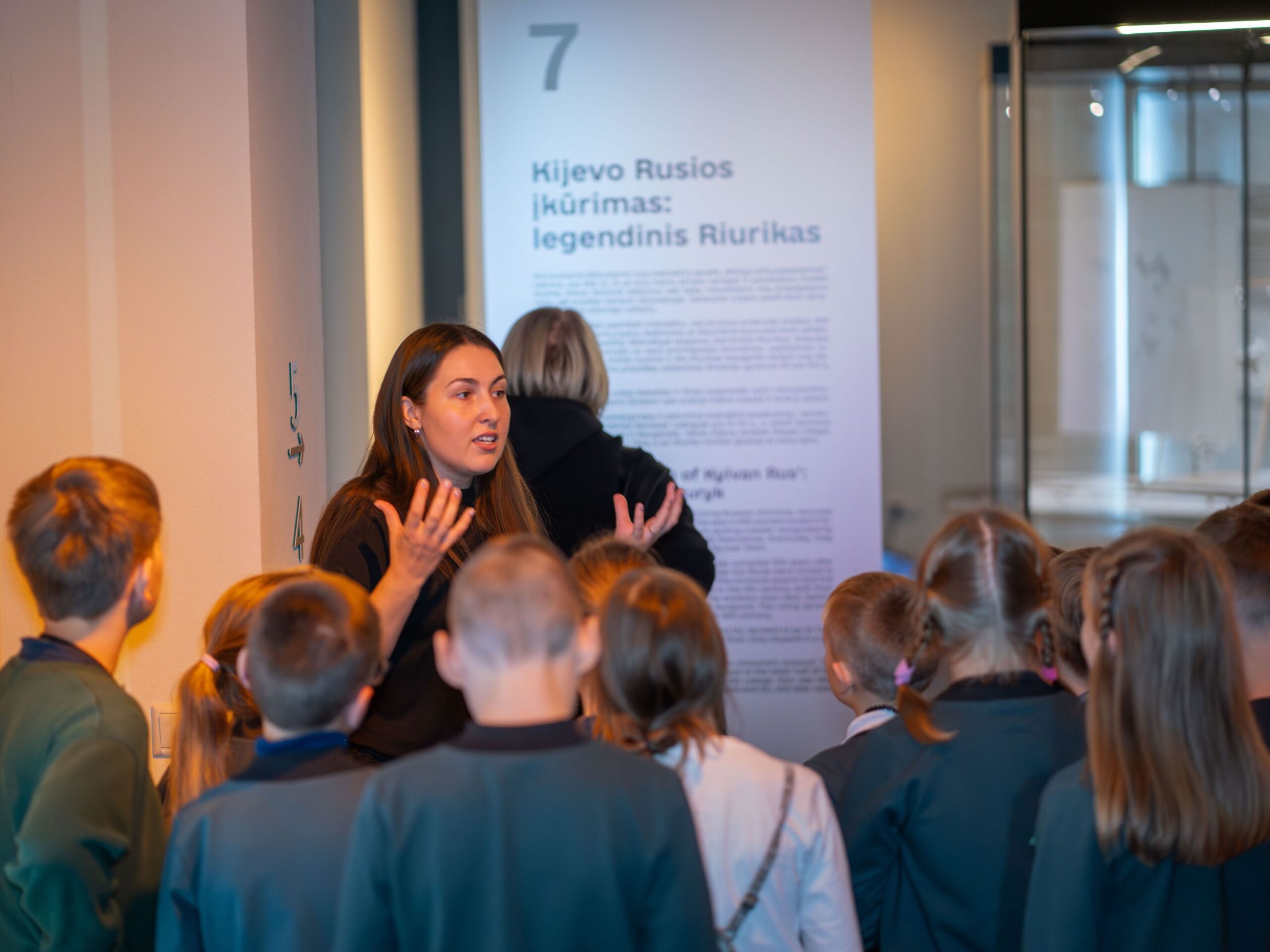
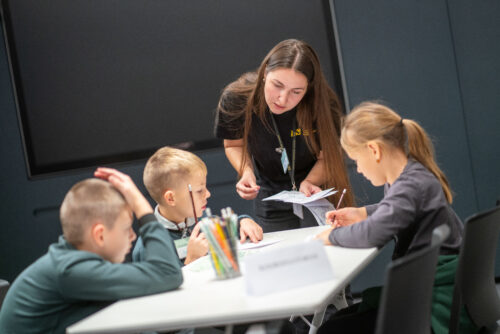
“At first, I only worked with adults and led guided tours. I was a bit intimidated by children, but once I tried it, that fear gradually faded. Now, one of the greatest values of this job for me is the opportunity to work with people of all ages,” Greta says with a smile.
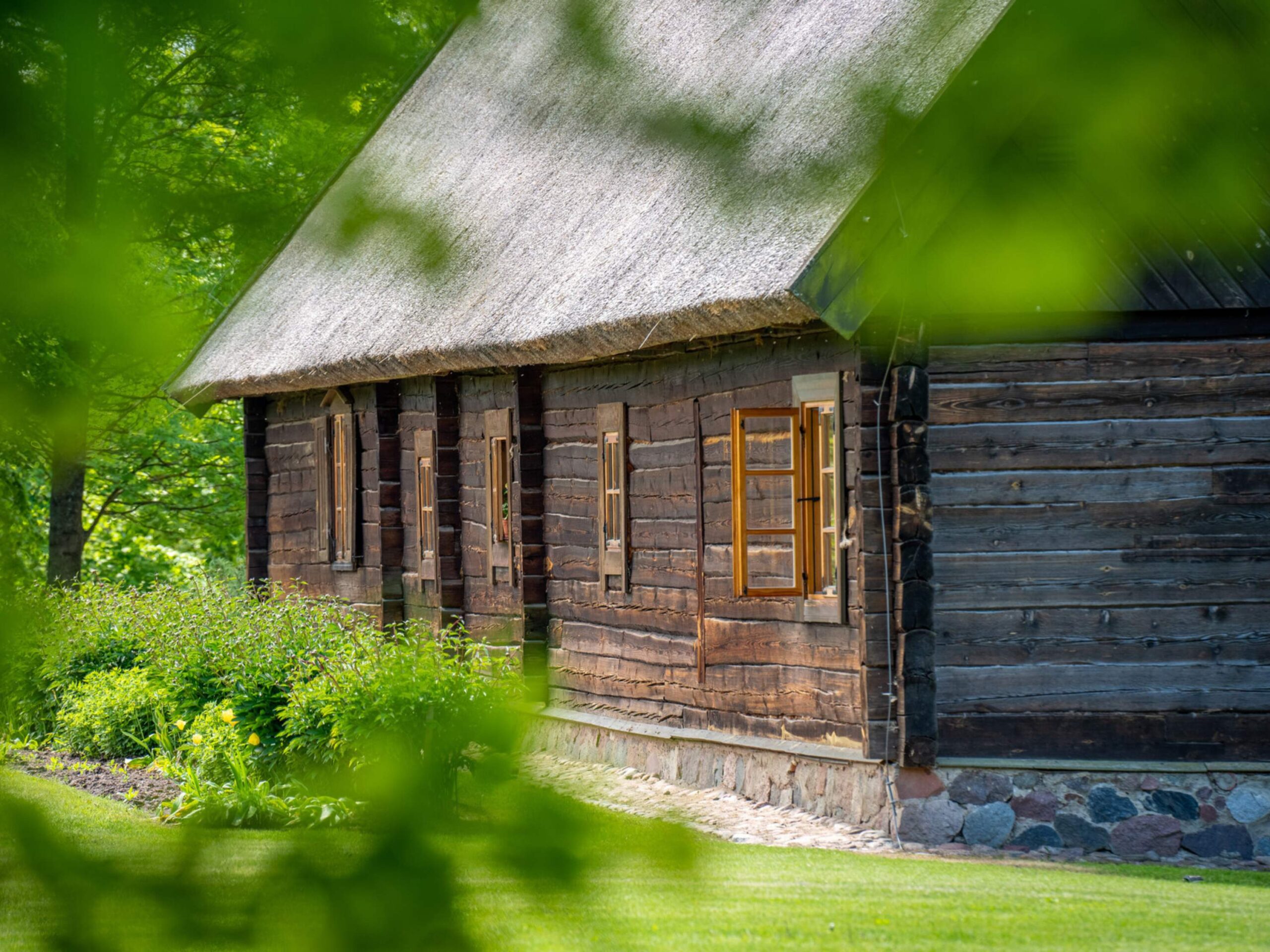
Audronė, who leads tours and educational activities at the Ethnography Storage-Display, observes how differently people of various ages respond to the exhibits: “For older visitors, it’s like a vault of memories—some even get emotional. But for children, these objects seem like a completely unfamiliar world.”
Vincentas also emphasizes the richness of working with diverse audiences: c“Interacting with visitors is incredibly enriching. You get to see how curious, wise, and bright people are. It’s a job that gives you hope,” he says.
-
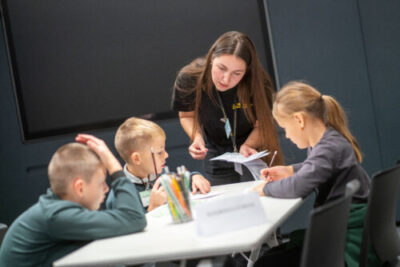
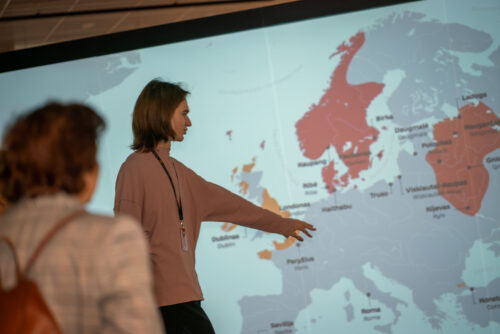
- Greta Gaidelytė, Educator at the House of Histories Photo by S. Samsonas / National Museum of Lithuania
-
- Greta Gaidelytė, Educator at the House of Histories Photo by S. Samsonas / National Museum of Lithuania
The Educator as a Member of the Creative Team
At the House of Histories, educators are involved in the exhibition creation process from the very beginning—participating in everything from design to the narrative structure. “When you’re involved from the start, you better understand the exhibition’s structure and the decisions made by the creators. That really helps when presenting it to visitors—you can share behind-the-scenes insights and explain why something looks the way it does,” says Greta.
Educators also develop educational tools such as activity booklets for children and creative workshops. Greta is particularly proud of having created non-traditional formats, including the concept for an escape room at the National Museum of Lithuania’s Former Detention Center branch, as well as contributing to publishing projects.
For Vincentas, the most exciting part of museum work is its dynamic nature: “Exhibitions are constantly changing. That’s one of the most valuable experiences if you want to understand what a museum is and how it works. When very different exhibitions like Kyivan Rus. The Beginning and The Sweet (Nomenklatura) Life are happening at the same time, you get the chance to not only explore the content but also witness the entire exhibition-making process—from the arrival of objects to personal collaboration with curators.”
-
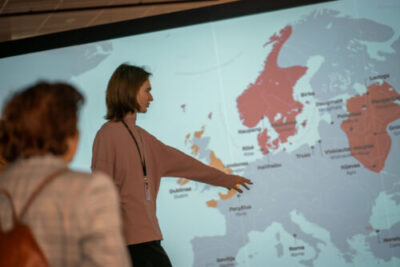
- Vincentas Zienka, Educator at the House of Histories Photo by S. Samsonas / National Museum of Lithuania
Visitor Reactions as a Valuable Point of Reference
According to the educators, their work is grounded in constant interaction with visitors—they don’t just guide and explain, but also observe and analyze what captures attention, causes confusion, or triggers an emotional response.
“An educator receives direct feedback. That’s valuable information for the entire museum because it helps reveal how people are truly engaging with the exhibitions,” says Greta.
Audronė adds: “We want the museum to be a place where people can have meaningful and enjoyable experiences. The educator plays a key role in maintaining that balance—between complex content and a human, engaging narrative.”
-
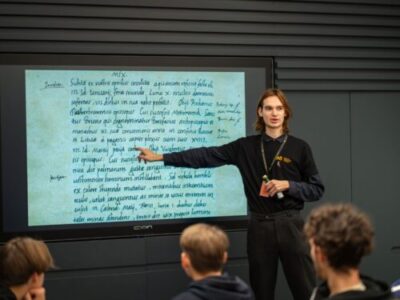
- Vincentas Zienka, Educator at the House of Histories Photo by S. Samsonas / National Museum of Lithuania
-
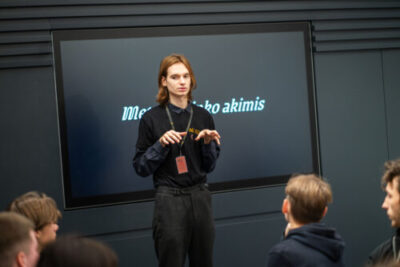
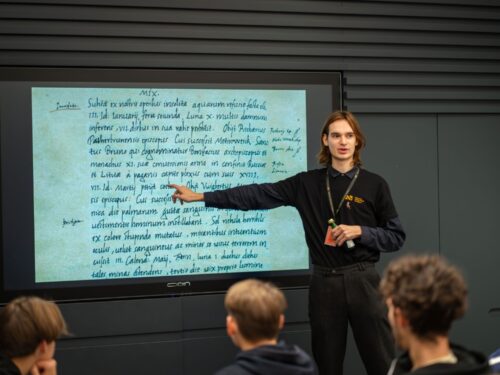
- Vincentas Zienka, Educator at the House of Histories Photo by S. Samsonas / National Museum of Lithuania
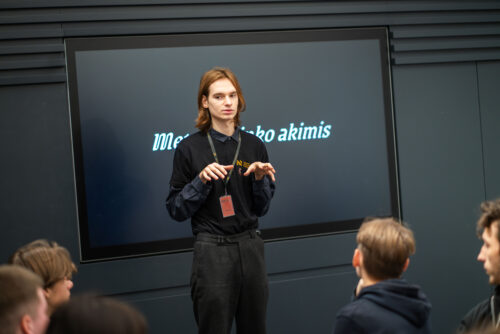
Greta, Audronė, and Vincentas all agree: one of the most important aspects of their work is creative freedom and trust.
“When you feel free to create and know that you’re trusted—it sparks motivation. When I felt a bit burned out, I was encouraged to develop something that interested me—and it really worked,” says Greta.
She is also involved in training on how to adapt educational activities for different audiences, including individuals on the autism spectrum—a project she’s working on together with her colleague Agnė Putelytė as part of the MARTA programme.
Audronė highlights the value of teamwork: “Working here feels like having a hobby. Our team is full of respect, support, and creativity.”
For Vincentas, it’s important to feel that his ideas are appreciated and that he can contribute creatively: “Being able to share ideas and be heard is a huge privilege. At the museum, I feel like more than just an employee—I feel like an active participant whose opinion truly matters.”
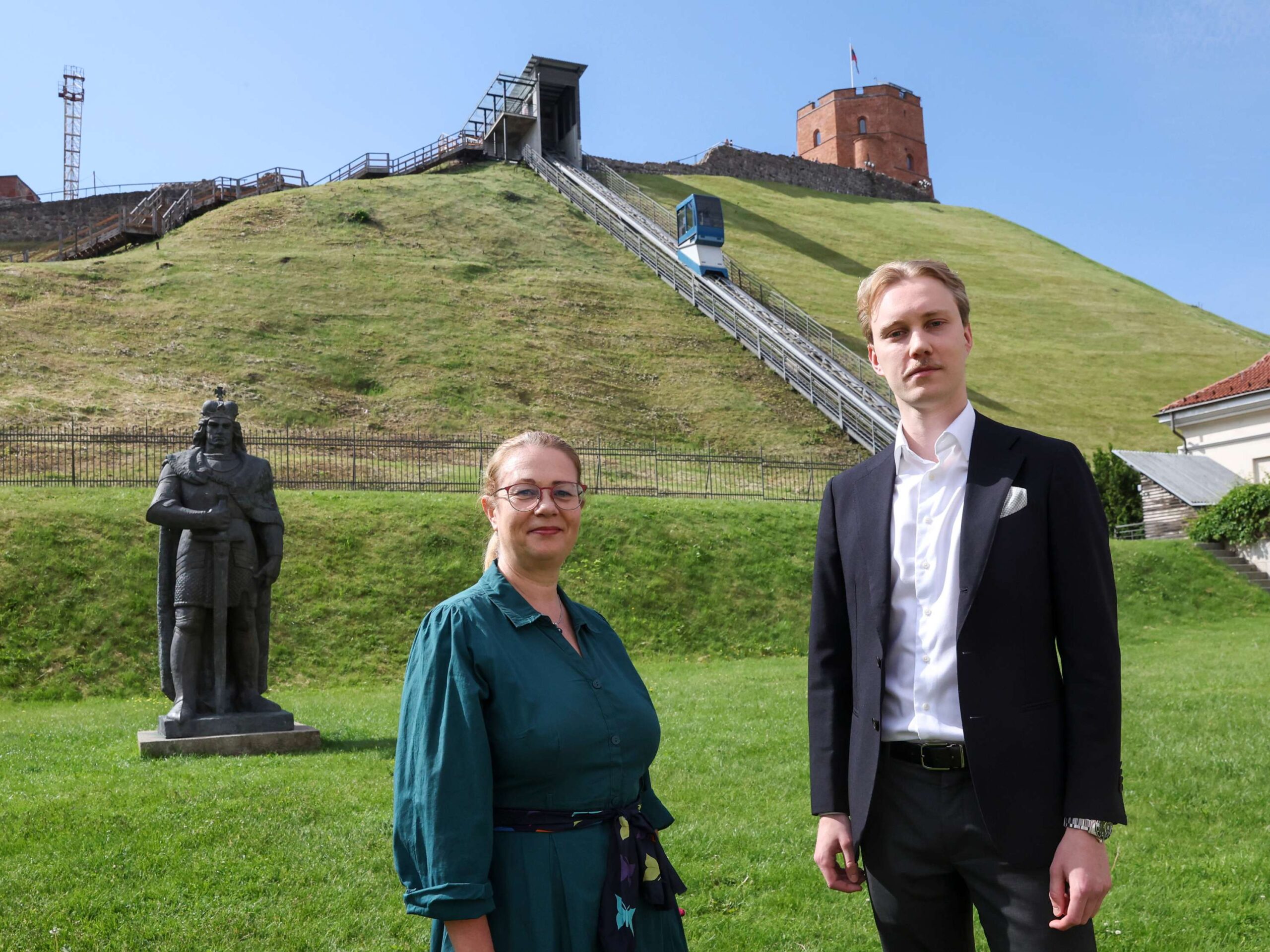
The House of Histories is located in a historic building at Tadas Kosciuškos Street 3 in Vilnius, near Kalnai Park and within walking distance of Gediminas Hill. It features a multifunctional space with a cozy café and an inner courtyard. Inside, visitors will find both a spacious, in-depth exhibition and a more compact area ideal for shorter, less demanding visits.
Here, visitors can experience the joy of discovery at their own pace, based on their interests and prior knowledge. Now in its fourth year, the House of Histories continues to serve as a vibrant international exhibition space, inviting visitors to stay and explore even after viewing a show. Whether through immersive exhibitions, educational activities, guided tours, or family-oriented presentations, everyone can find their own way to engage.