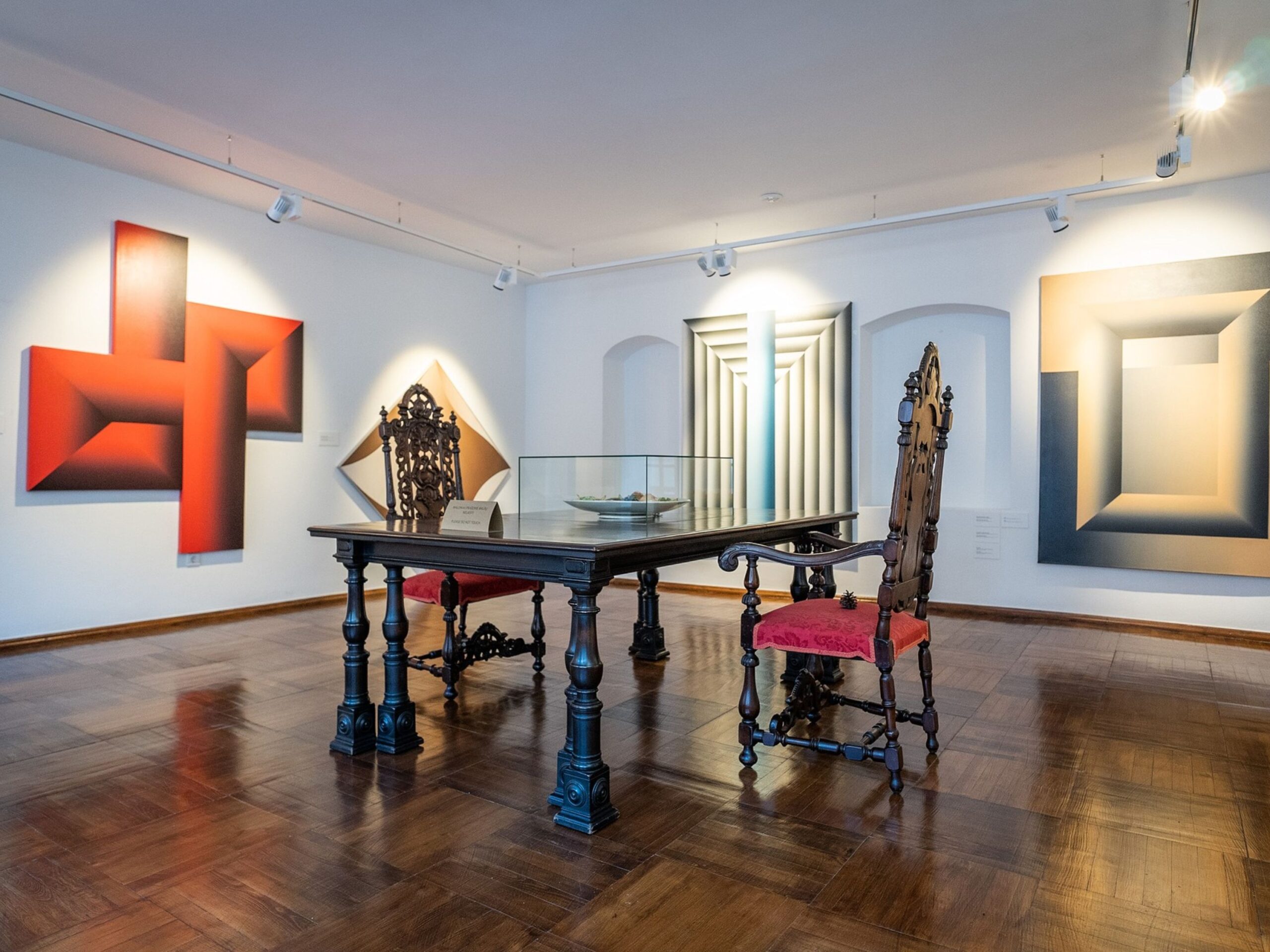
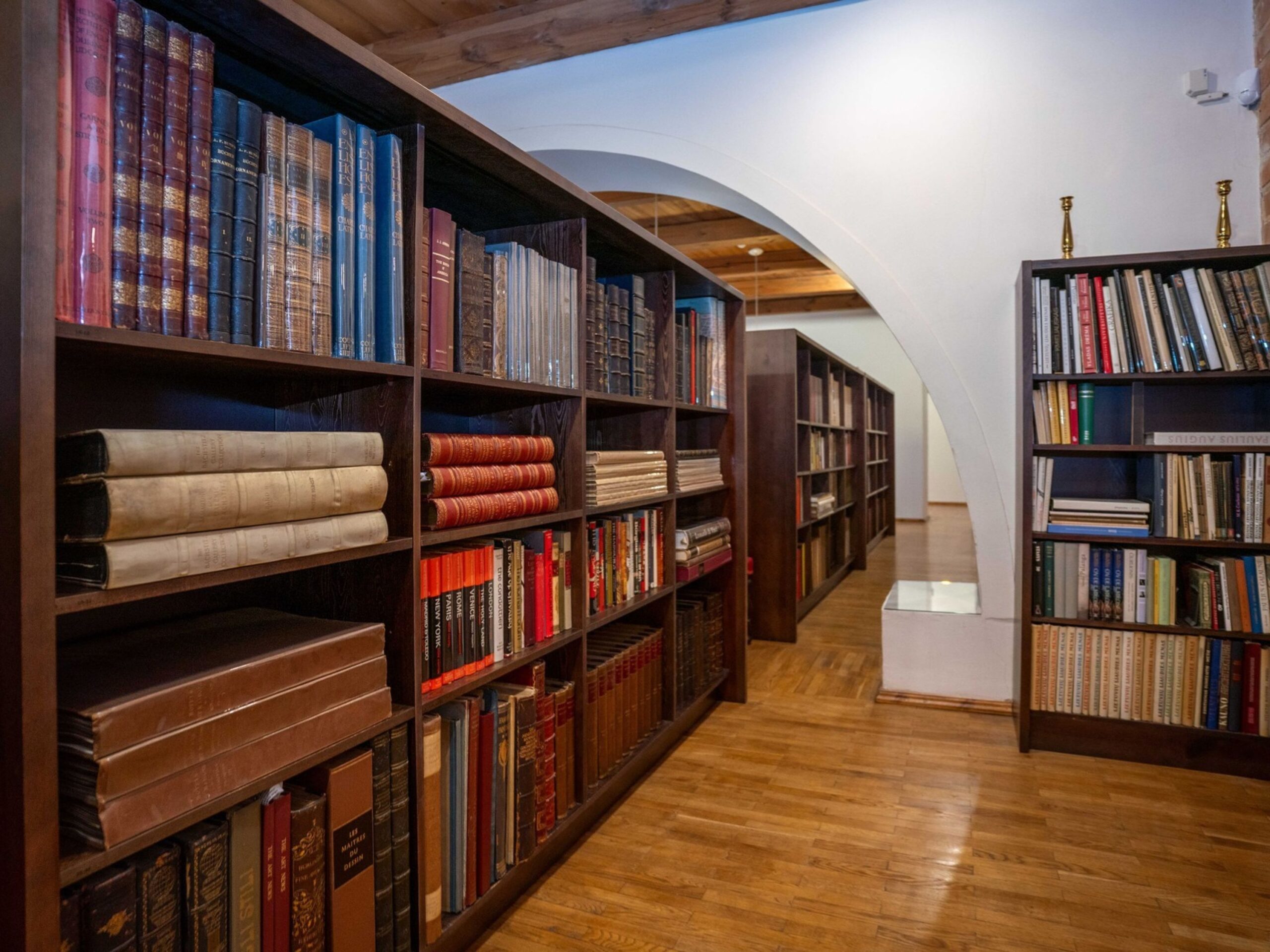
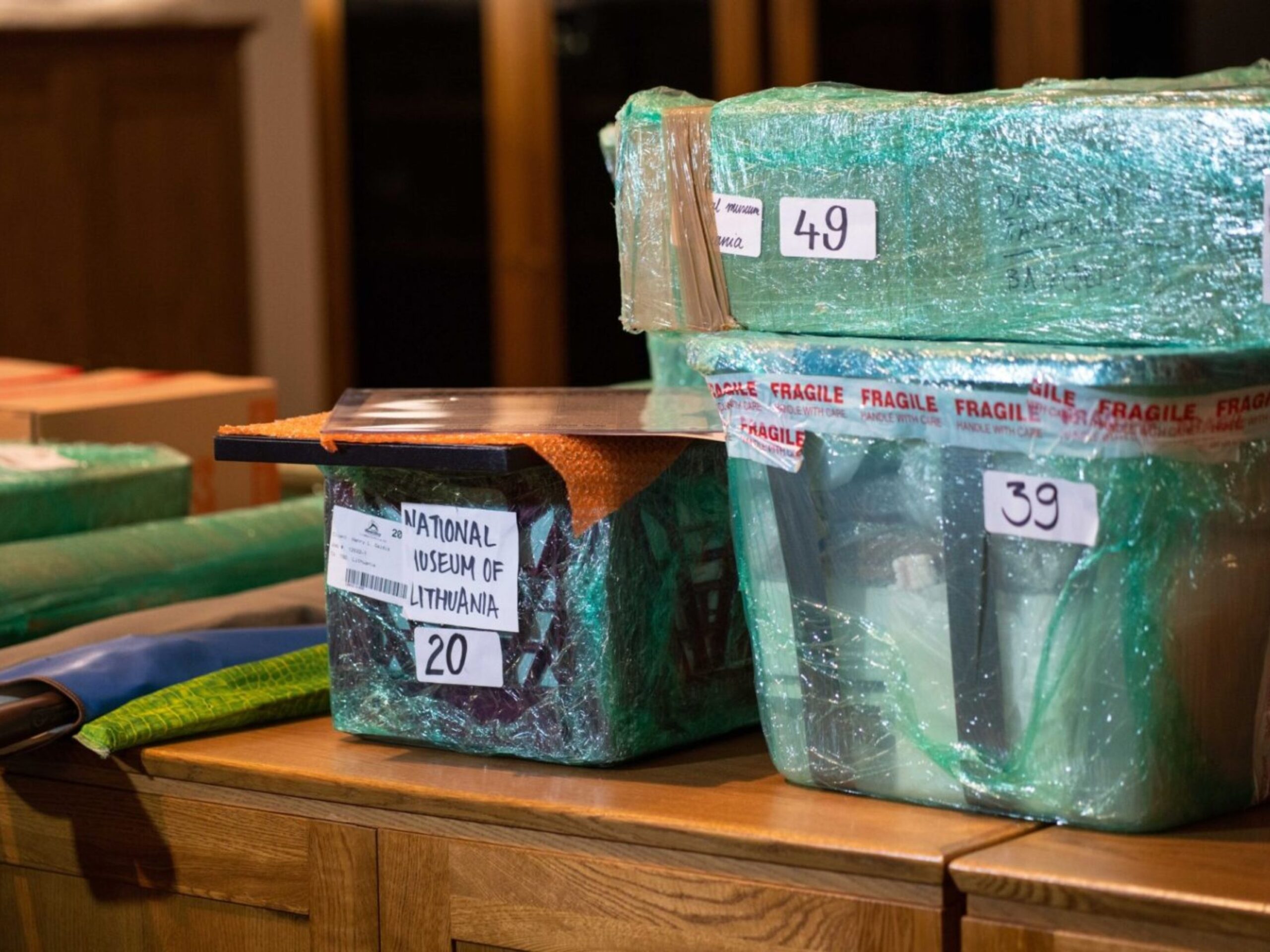
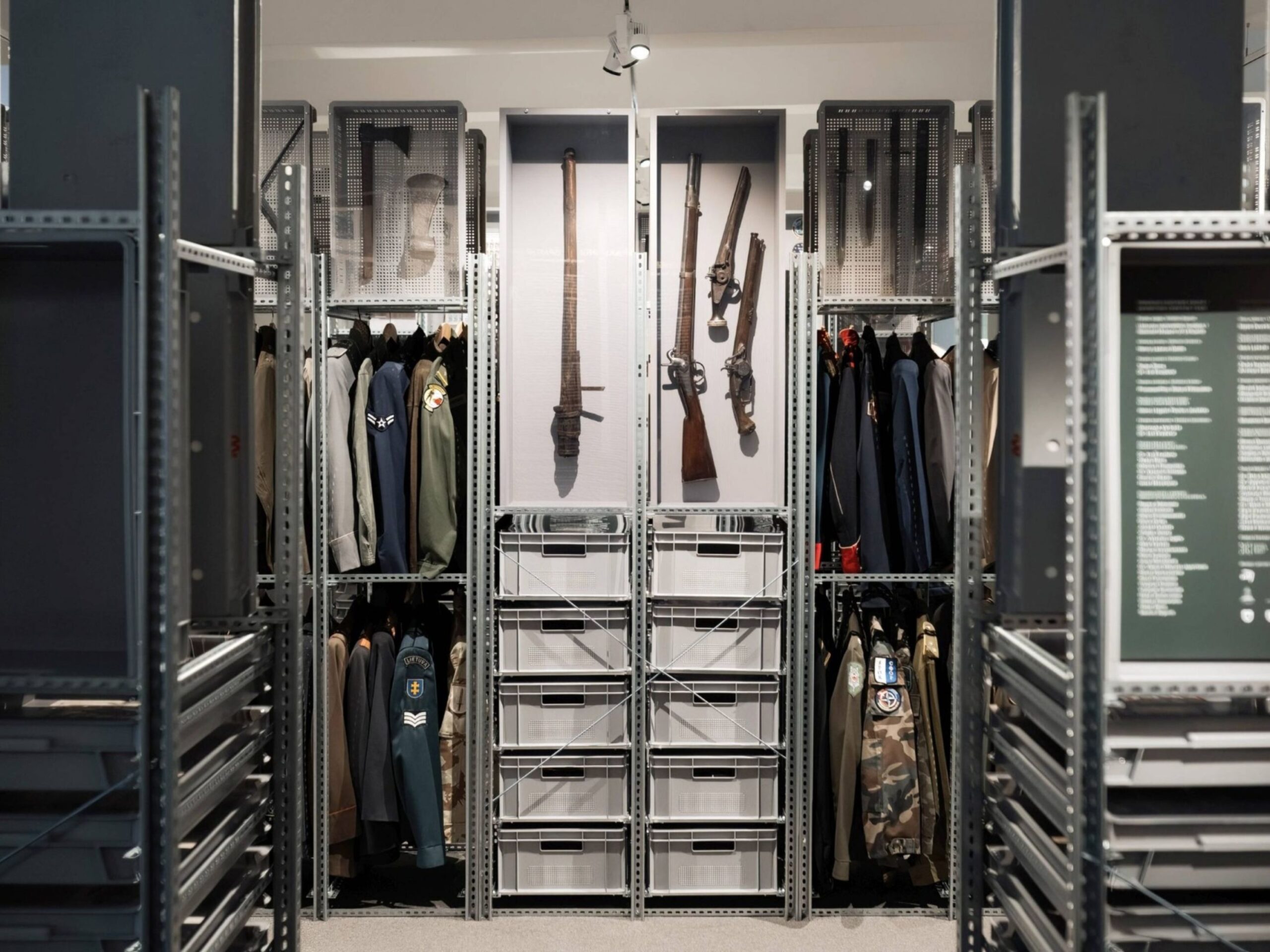
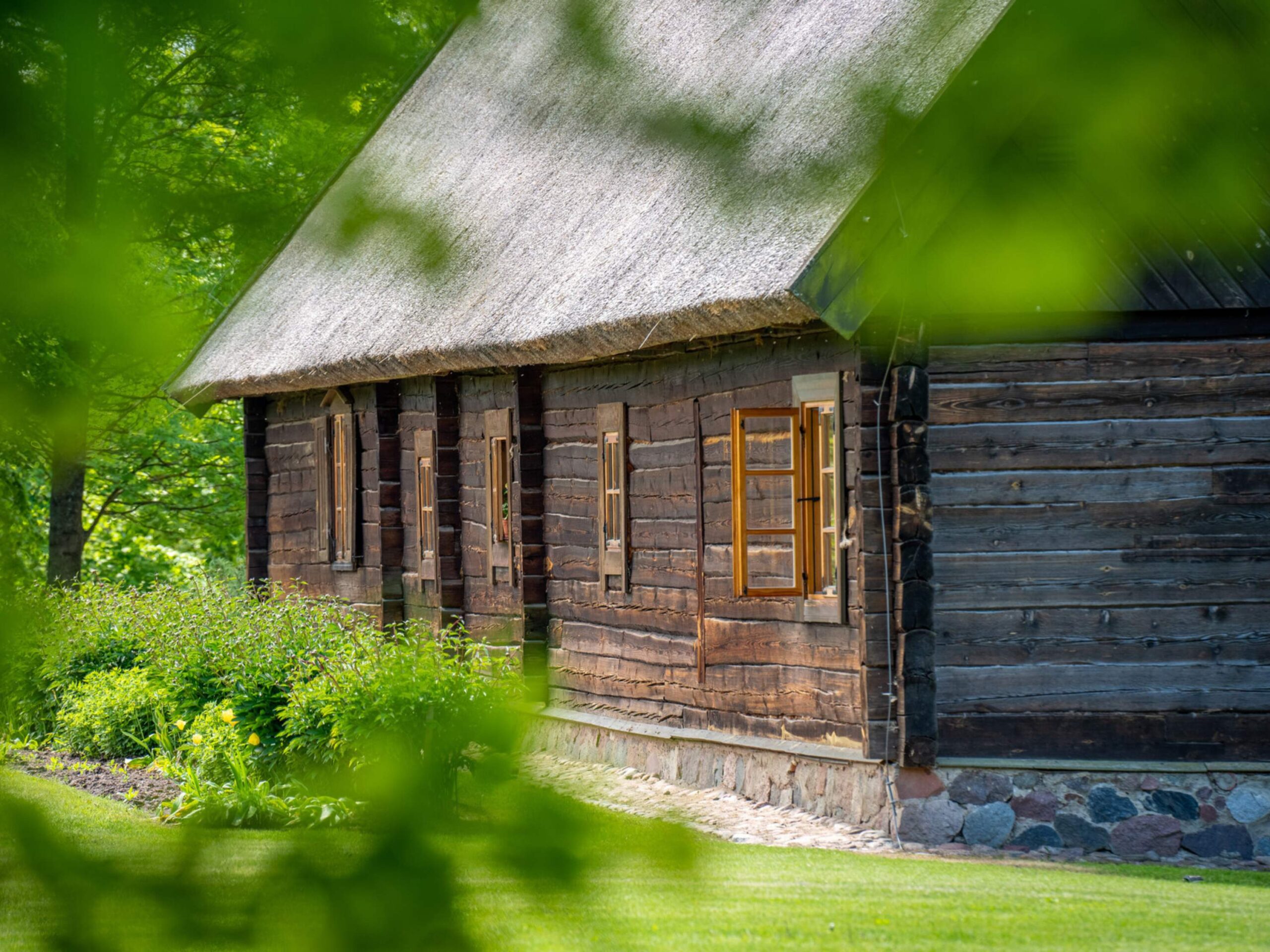
In addition to smaller donations, the National Museum of Lithuania has received two exceptionally significant and unprecedented donations of Lithuanian heritage collections. According to Dr. Rūta Kačkutė, the most recent of these was made in 2020 by Henry L. Gaidis, an active member of the Lithuanian-American community in the United States.He donated his personal collection, gathered over more than 50 years, comprising military weapons, uniforms, army insignia, archival materials, and written sources. The collection was appraised at nearly €359,000, and in recognition of this extraordinary contribution, Henry L. Gaidis was awarded the title of Patron of the City of Vilnius. Even more impressive in both size and content is the Kazys Varnelis Collection, which Kazys Varnelis donated to the National Museum of Lithuania when he returned to live in Lithuania nearly thirty years ago. To house and display this remarkable collection, the Kazys Varnelis House–Museum was established.
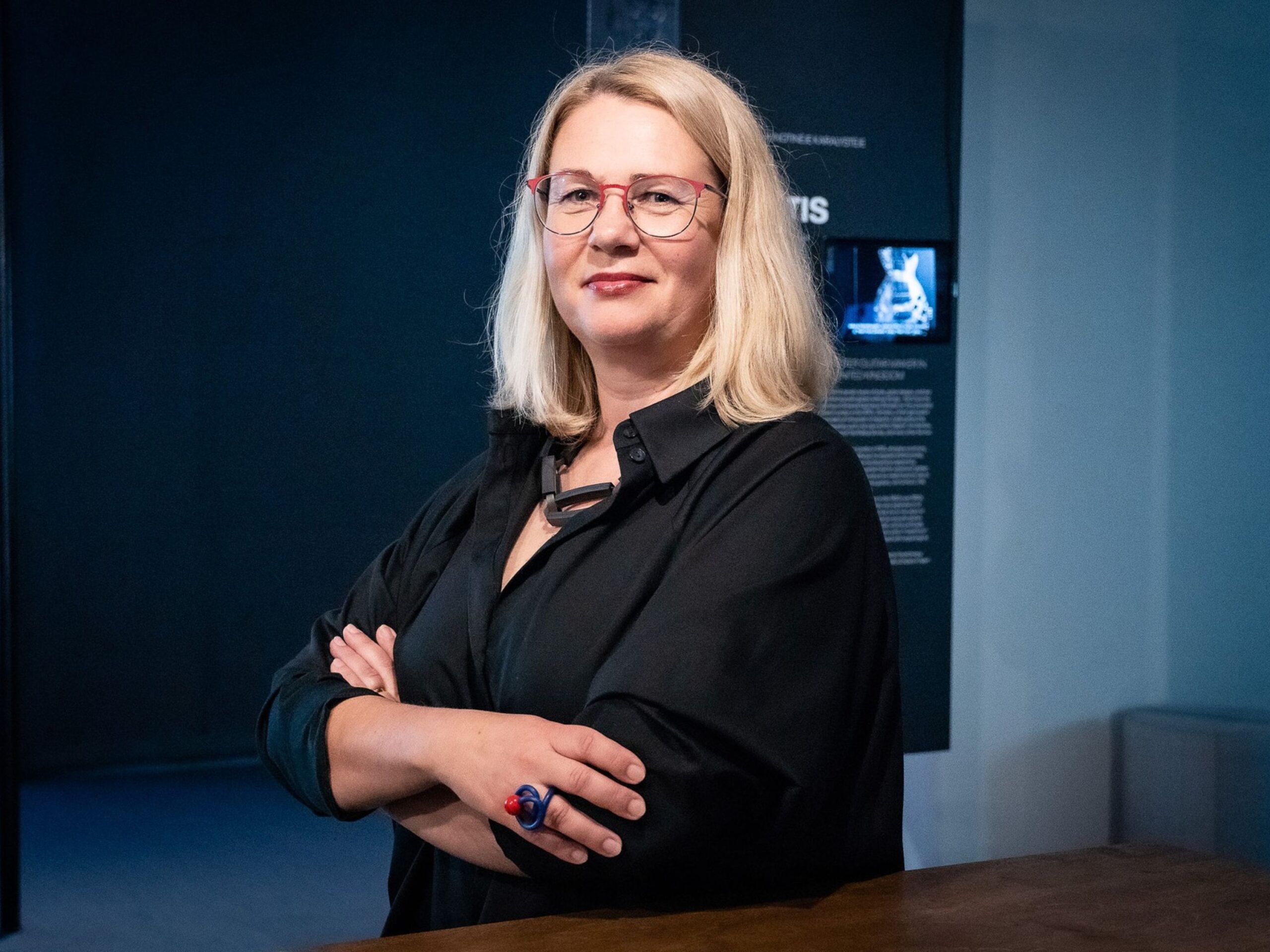
Simona Širvydaitė-Šliupienė, Head of the House of Histories, notes that patronage is receiving increasing attention in Lithuania—the country has even designated a commemorative day for it, and the Ministry of Culture is actively working to raise awareness of patronage and patrons within society. Still, despite this rapid growth, the field is still developing, and it is natural that the number of active patrons remains relatively low.
“The lack of patrons stems from historical and economic factors. To bring about real change, we must promote public education about the importance of patronage, create a supportive legal and tax environment, and improve communication between patrons and cultural institutions. However, we’re already seeing progress—business and culture are finding more ways to collaborate. In practice, patrons are people with an exceptional sensitivity to the pulse of culture. They think not pragmatically or short-term, but in decades-long or even century-long perspectives,” says Simona Širvydaitė-Šliupienė.
According to her, although the National Museum of Lithuania currently has only one official patron recognized by the Vilnius City Municipality, each year it attracts up to ten different sponsors through support, partnership, and collaboration.
“Every year, the National Museum of Lithuania presents dozens of exhibitions across its branches throughout the country, which creates a constant need for additional funding—there are no limits to improving exhibitions. Patronage and corporate involvement in driving important changes in our country should not be the exception but the norm, which is why it’s important to share inspiring stories of partnership and patronage. Positive examples inspire others,” says Simona Širvydaitė-Šliupienė, Head of the House of Histories.
Without Business Support, Some Exhibitions Would Never See the Light of Day
One of the largest projects implemented by the National Museum of Lithuania with the help of the private sector was the collaboration with “Kika Group” to create the exhibition “History Wags Its Tail,” about the history of dogs in Lithuania, presented at the House of Histories in April.
Dr. Rūta Kačkutė emphasizes that collaboration with businesses is not only about financial value, but also about shared meaning and impact.
“In 2020, when we presented an archaeological find—the 12,000-year-old Lyngby axe—we invited the public to test their wood-splitting skills. We reached out to Ginalas, the distributor of Fiskars tools in Lithuania. They brought axes and chopping blocks, and visitors joined in enthusiastically—we ended up with a massive pile of firewood. But the most beautiful moment came at the end, when **all of that wood was loaded into vehicles and, with the help of the Order of Malta Relief Organization, distributed to elderly people to heat their homes for winter,” she recalls.