Basanavičius’ Birthplace Invites You to a Unique Concert: From “Ratilio” to Šventinis bankuchenas
2025 06 10
This June, the Jonas Basanavičius Birthplace, a branch of the National Museum of Lithuania, celebrates the museum’s 170th anniversary. Visitors are invited to explore a special exhibition dedicated to a single-object – the phonograph – and to attend a concert-discussion titled “Eina garsas” (The Sound Goes On), which invites reflection on the vitality of folk songs today.
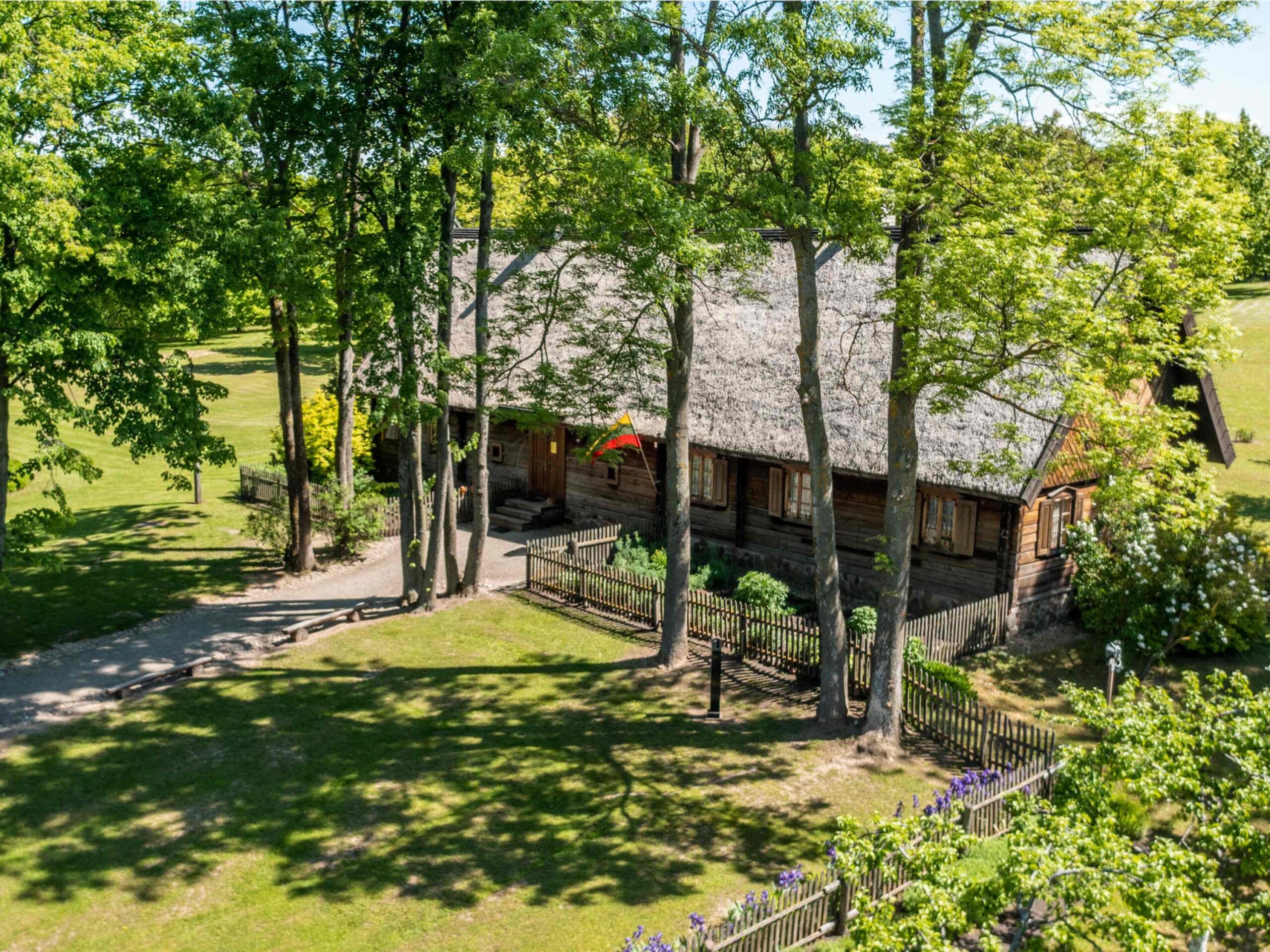
“At the Jonas Basanavičius Birthplace, we reflect the harmony of folk culture, history, and nature. The museum is located next to the beautiful Oak Grove of the Lithuanian National Revival, planted on April 1, 1989, as a testament to the Lithuanian people’s determination to reclaim their freedom. Surrounded by nature, we strive to foster a sensitive connection with folk culture, history, and the environment,” says Rūta Vasiliauskienė, Director of the Jonas Basanavičius Birthplace.
From “Ratilio” to Šventinis bankuchenas: Discussion and Concert
On June 20 at 6 PM, the Jonas Basanavičius Birthplace will host a unique event — the “Eina garsas” (The Sound Goes On) concert-discussion exploring connections between traditional folk culture and its modern interpretations. This event also serves as a great opportunity to highlight the distinctive exhibit of the museum — the phonograph. It was with this 19th-century sound recording device that Jonas Basanavičius himself recorded 40 Lithuanian folk songs between 1909 and 1912, preserving them for future generations.
The discussion will delve into questions such as: what remains relevant from the old singing traditions in today’s world, how folk songs inspire contemporary creativity, why folk songs were so important to Jonas Basanavičius, and how we value them today.
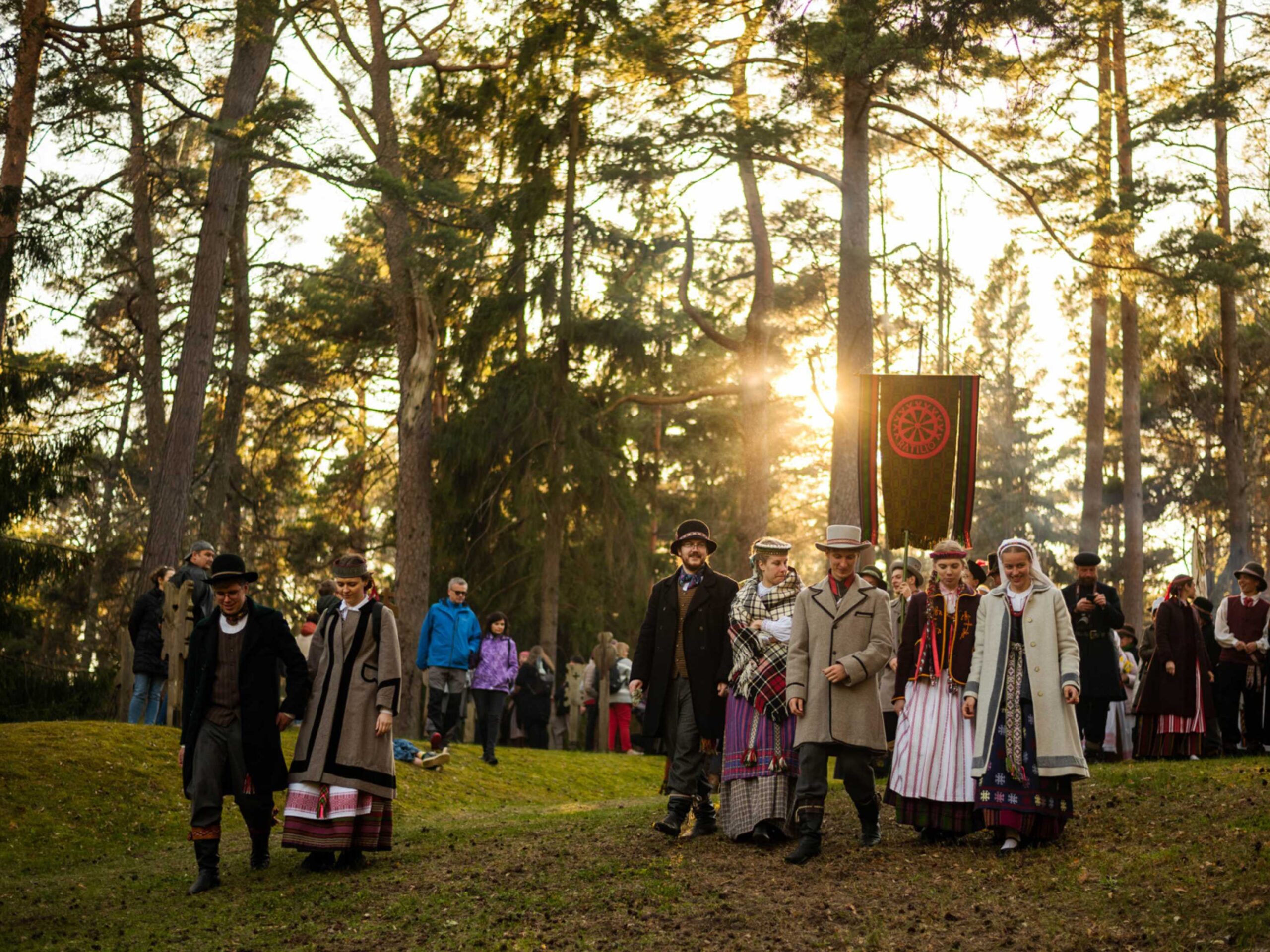
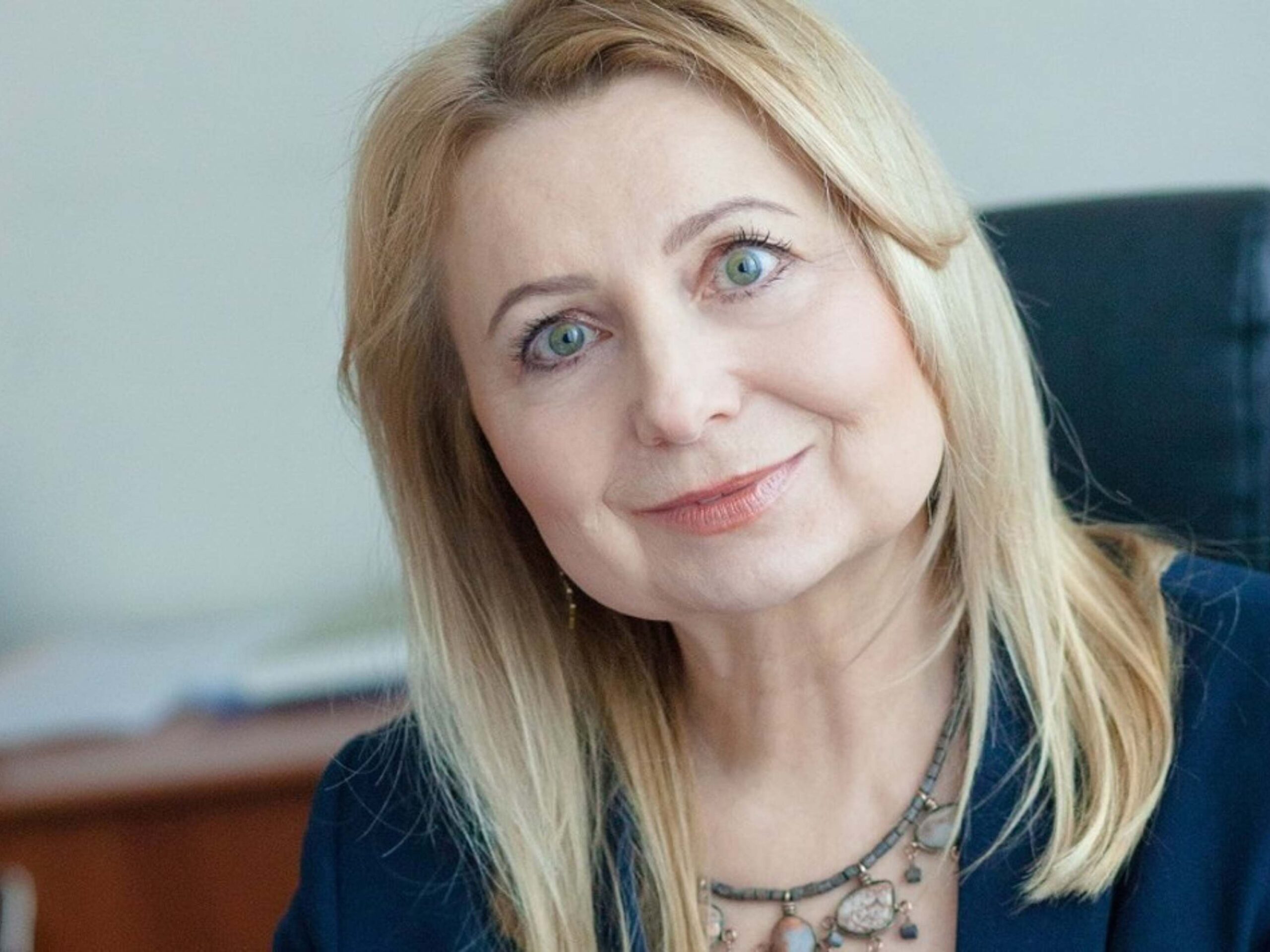
The event will feature contemporary performers who blend folk music with modern styles — Šventinis bankuchenas and Modestyno; authentic folklore performed by the Vilnius University Folk Ensemble “Ratilio”; and Dr. Dalia Urbanavičienė, ethnologist and Chair of the Lithuanian Council for the Protection of Ethnic Culture. The discussion will be moderated by ethnomusicologist Loreta Sungailienė. Each participant will be interviewed by the moderator and will also perform their music on stage.
This event is part of the Year of Lithuanian Folk Songs initiative, emphasizing that folk heritage stays alive as long as we engage with it, hear it, reflect on it, and express it through our own voices.
-
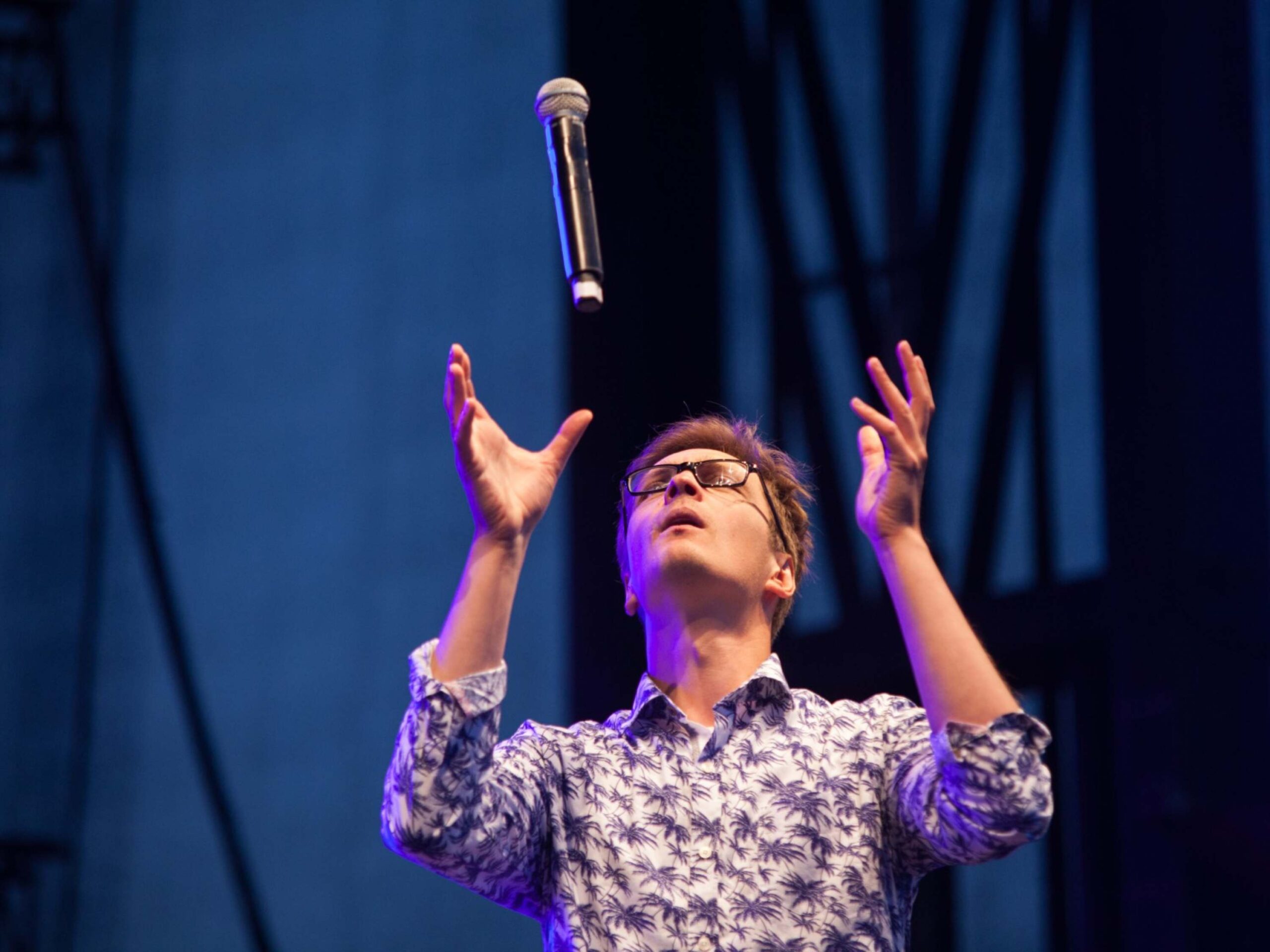
- Šventinis bankuchenas. Personal archive photo
-
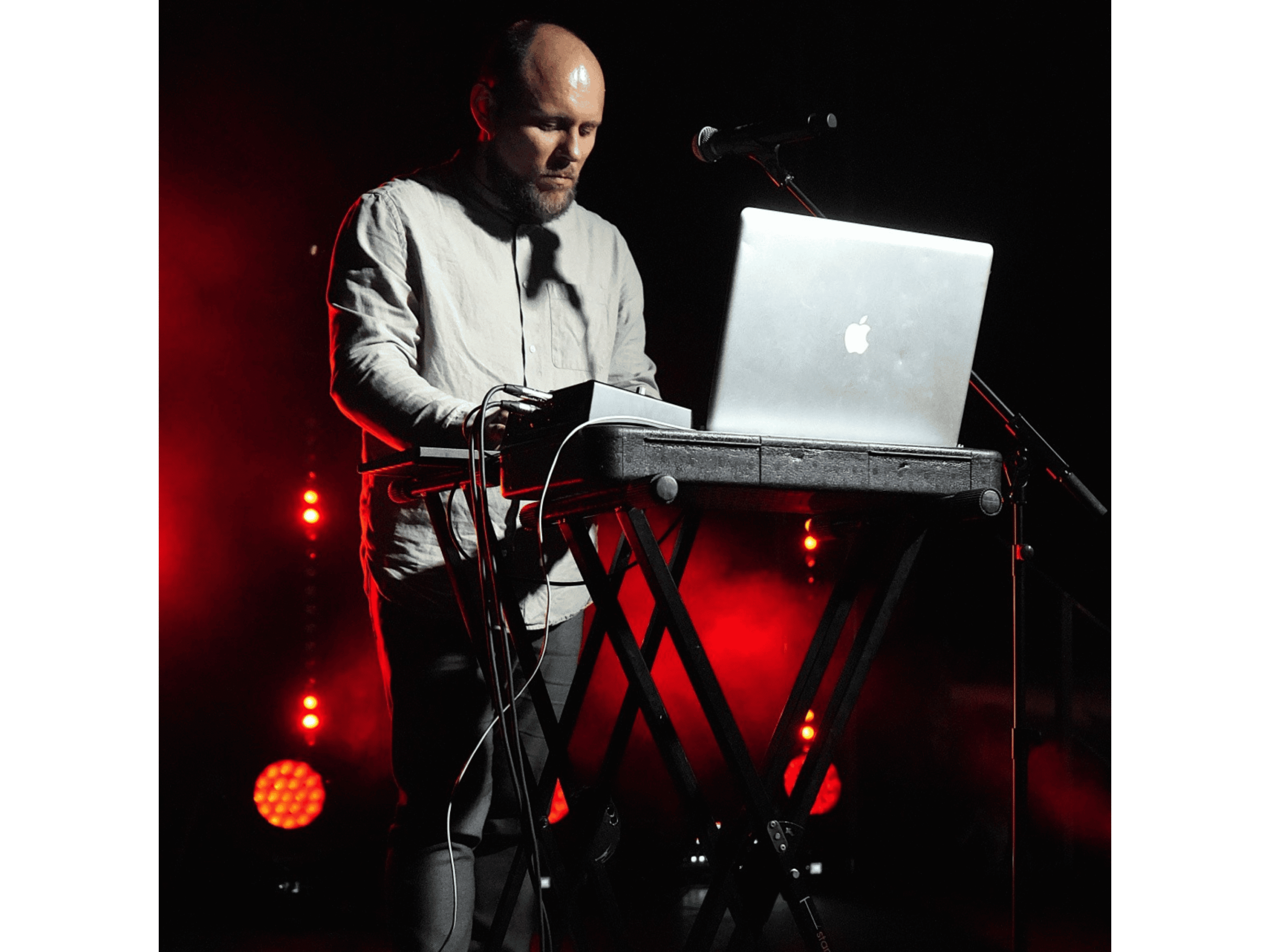
- Modestyno. Personal archive photo
-

- “Ratilio” Folk Ensemble. Photo by the “Ratilio” Folk Ensemble
-
- Dalia Urbanavičienė. Personal archive photo
-
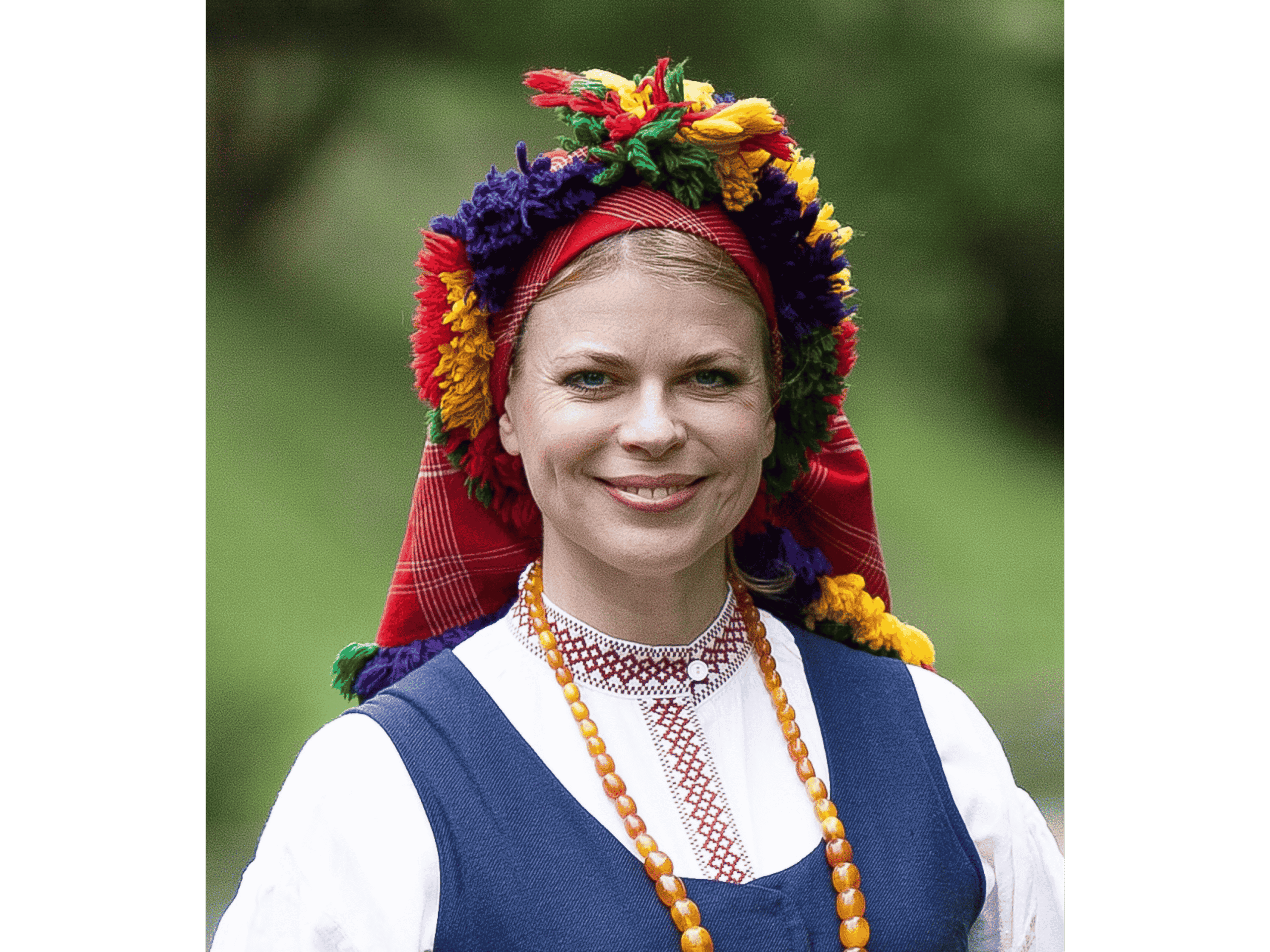
- Loreta Sungailienė. Personal archive photo
Single-object Exhibition – Jonas Basanavičius’ Phonograph
The phonograph – an early sound-recording device – is not only a relic of technical history. It symbolizes the link between the living tradition experienced in childhood – the first songs heard from one’s mother – and the conscious decision of a mature individual to preserve national memory for the future.
Presented in collaboration with the House of Signatories, another branch of the National Museum of Lithuania, and the Institute of Lithuanian Literature and Folklore, the exhibition offers visitors a chance to see an original phonograph and listen to two authentic fragments of songs recorded by Jonas Basanavičius.
Invented by Thomas Edison in the 19th century, the phonograph was the first device capable of recording and reproducing sound, appearing miraculous to people of the time. Eduards Volters, an ethnographer and archaeologist, used this device during his 1908 summer expeditions in Lithuania to record the first Lithuanian folk songs. Inspired by this, Jonas Basanavičius acquired a phonograph – then an expensive piece of equipment – and began recording folk songs. His first recordings were made on November 4, 1909, during a visit to his friend, priest Motiejus Gustaitis, at Zagrada Manor near Garliava.
The sound was recorded as a stylus responded to sound waves and etched grooves into wax cylinders. Today, the archives of the Institute of Lithuanian Literature and Folklore hold 22 wax cylinders recorded by Basanavičius between 1909 and 1912, containing 40 Lithuanian folk songs.
Acorn Coffee Traditions
The staff of the Jonas Basanavičius Birthplace personally collect acorns from the surrounding oak trees and produce acorn coffee — a certified traditional heritage product — using a recipe passed down from the local community. They also educate museum visitors on the traditions of acorn coffee in Lithuania.
-

- Educational workshop at the Jonas Basanavičius Birthplace. Photo by Silvestras Samsonas, National Museum of Lithuania
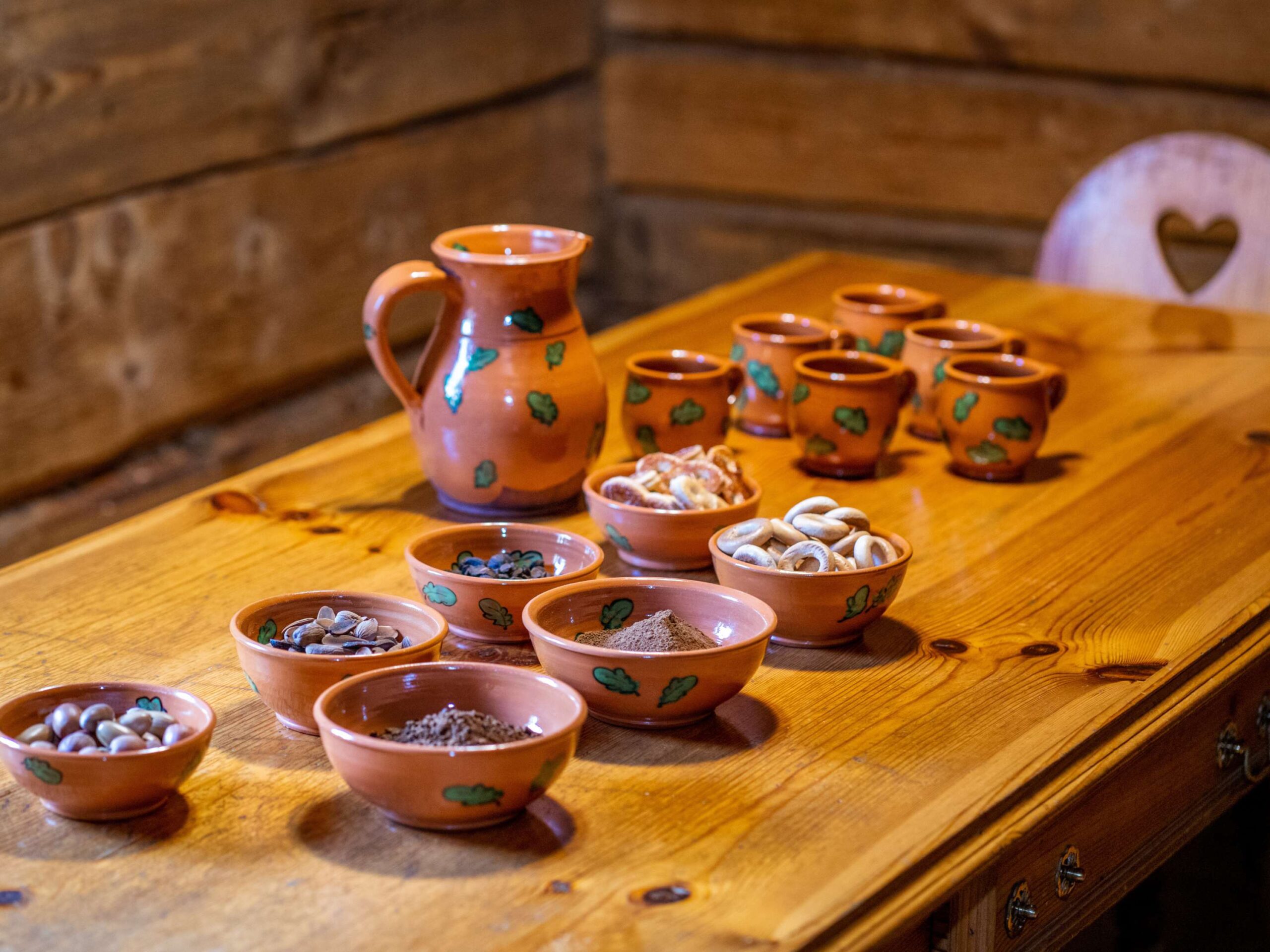
Acorns, abundantly available in the National Revival Oak Grove near Basanavičius’ childhood home, are among the world’s most popular substitutes for coffee beans. Educational programs at the museum allow visitors to learn about other coffee alternatives used in 19th–20th century Lithuania, the spices used to enhance them, and the treats traditionally served alongside.
The National Museum of Lithuania, the country’s first public museum, is celebrating its 170th anniversary this year. Its history is inseparable from the development of Lithuanian museology, beginning in 1855 with the establishment of the Vilnius Antiquities Museum by Eustachy Tyszkiewicz. Today, the museum houses over 1.5 million artifacts significant to Lithuanian history and culture and unites 12 branches.
Learn more about the event “EINA GARSAS” (The Sound Goes On) here.
-
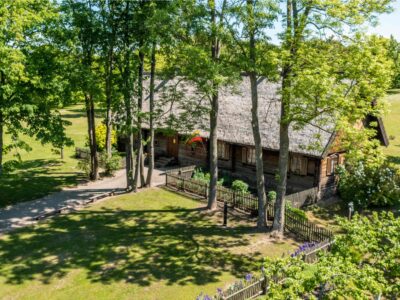
- Jonas Basanavičius Birthplace. Photo by Silvestras Samsonas, National Museum of Lithuania
-

- Jonas Basanavičius Birthplace. Photo by Silvestras Samsonas, National Museum of Lithuania