The House Where Fates Were Decided: The Story, Legends, and Discoveries of the Castellan’s House
2025 03 17
In the heart of Vilnius, at the foot of Gediminas Hill, stands one of the most unique witnesses of Lithuanian history – the Castellan’s House. Built in the 16th century, this building had a crucial function – it served as the administrative center of the Vilnius Lower Castle. Over the centuries, it evolved and was adapted to various needs: it housed castellans, served as a court, stored confiscated goods and property, and in the 19th century accommodated soldiers. Now, after restoration, the Castellan’s House – the newest branch of the National Museum of Lithuania – delights visitors with a concise and engaging narrative about the ideas that shaped Lithuanian identity.
Readers are invited to explore stories about Vilnius as the residence of grand dukes, the castellans who oversaw the castle, and the people who worked, lived, and adjudicated court cases here.
A House Where Fates Were Decided
In the mid-16th century, as the residence of Lithuanian rulers in Vilnius expanded, the administrative significance of the Lower Castle also grew. The castellan – one of the most important castle officials, appointed by the ruler for life – was responsible for the maintenance and construction of the castle and led court proceedings. This was a highly significant position requiring both administrative skills and legal knowledge.
“The Castellan’s House became a symbol of this high office – it housed the chancery, administrative and judicial documents were kept there, and key decisions were made in the ruler’s name,” reveals Dr. Birutė Rūta Vitkauskienė, art historian at the National Museum of Lithuania.
-
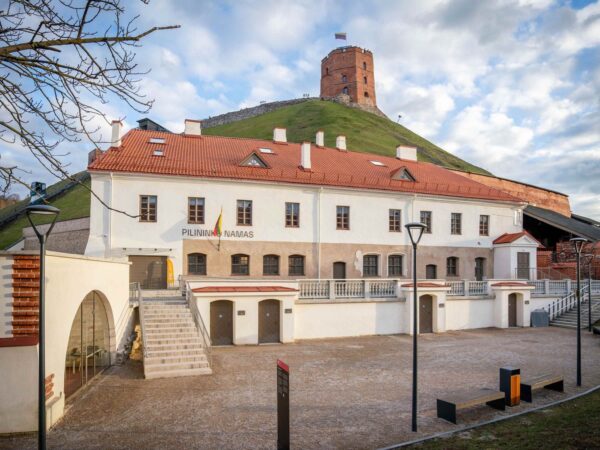
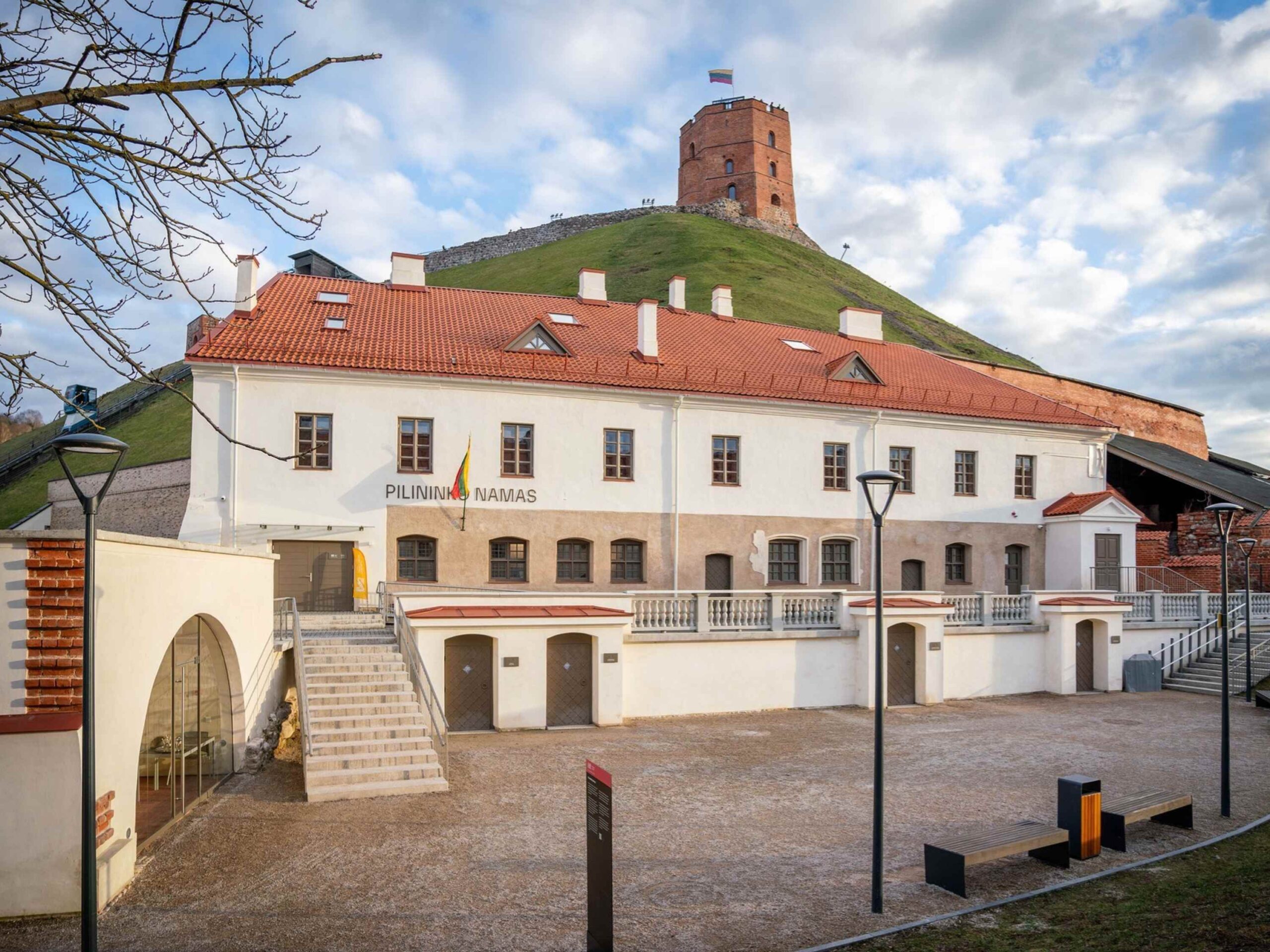
- Lietuvos nacionalinio muziejaus Pilininko namas. Fot. Silvestras Samsonas, LNM
The castellan also administered justice – his court dealt with financial, land disputes, and criminal cases. Surviving court books include cases related to debts, inheritance, and sometimes violent crimes.
According to the scholar, one of the most notable Vilnius castellans was Peter Nonhart, who served from 1619 to 1633. He was originally from Germany, was once captured by the Turks in his youth, and later came to Lithuania with Stephen Báthory.
“During his tenure, the Castellan’s House served not only administrative purposes but was also a significant military headquarters. Other castellans, such as Ulrich and John Hosius, contributed to the building’s expansion and the strengthening of its role in the Lower Castle.”
Trials Amid Historical Upheavals
Built during the Renaissance, the Castellan’s House was a two-story masonry building with Gothic cellars. In the 18th century, the structure was modified, and the second floor was adapted for residential use. The vaulted rooms on the ground floor had direct outdoor access, and the upper floor was reached by side stairs. The courtyard included stables, and galleries connected the Castellan’s House to other Lower Castle buildings.
“However, history was not kind to this building. The 1610 fire in Vilnius caused significant damage to the city, including the Castellan’s House. After this disaster, it underwent changes. Interestingly, even as the Lower Castle gradually lost its significance by the late 17th century, the Castellan’s House remained important, and the court continued operating. In the 18th century, it was annexed to the Vilnius Arsenal, and in 1799 the surrounding galleries and stables were demolished,” says B. Vitkauskienė.
In the 19th century, the Russian Empire established a fortress in Vilnius, and the Castellan’s House became a military site: workshops, barracks, and even a bakery for the army were installed. During the Soviet era, the building was adapted for the administration of the Museum of History and Ethnography of Lithuania and restoration workshops. Only in the early 21st century did research and restoration begin.
-
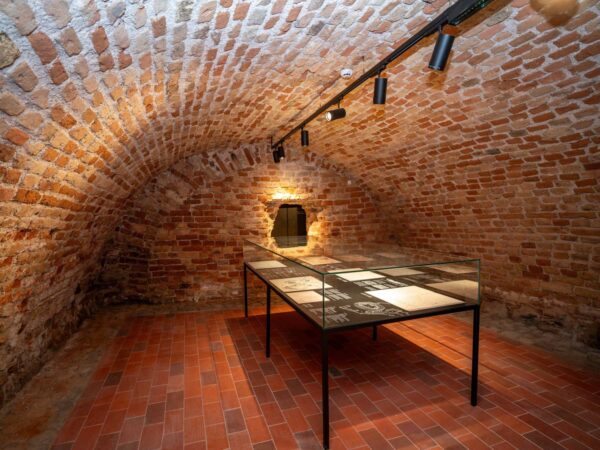
- Pilininko namas buvo dviejų aukštų mūrinis pastatas su gotikiniais rūsiais. Fot. Silvestras Samsonas, LNM
What Did Archaeological Research Reveal?
From 2018 to 2020, archaeological research was carried out in the courtyard and interior of the Castellan’s House, yielding numerous valuable finds that helped better understand the building’s development and its inhabitants.
Fragments of stove tiles point to 17th-century interior decoration, and discovered pipes reveal details of everyday life at the time. In addition, preserved stone artifacts – door and window frames, paving fragments – indicate the presence of stonemasons who crafted decorative elements for the ducal palace and the Chapel of St. Casimir.
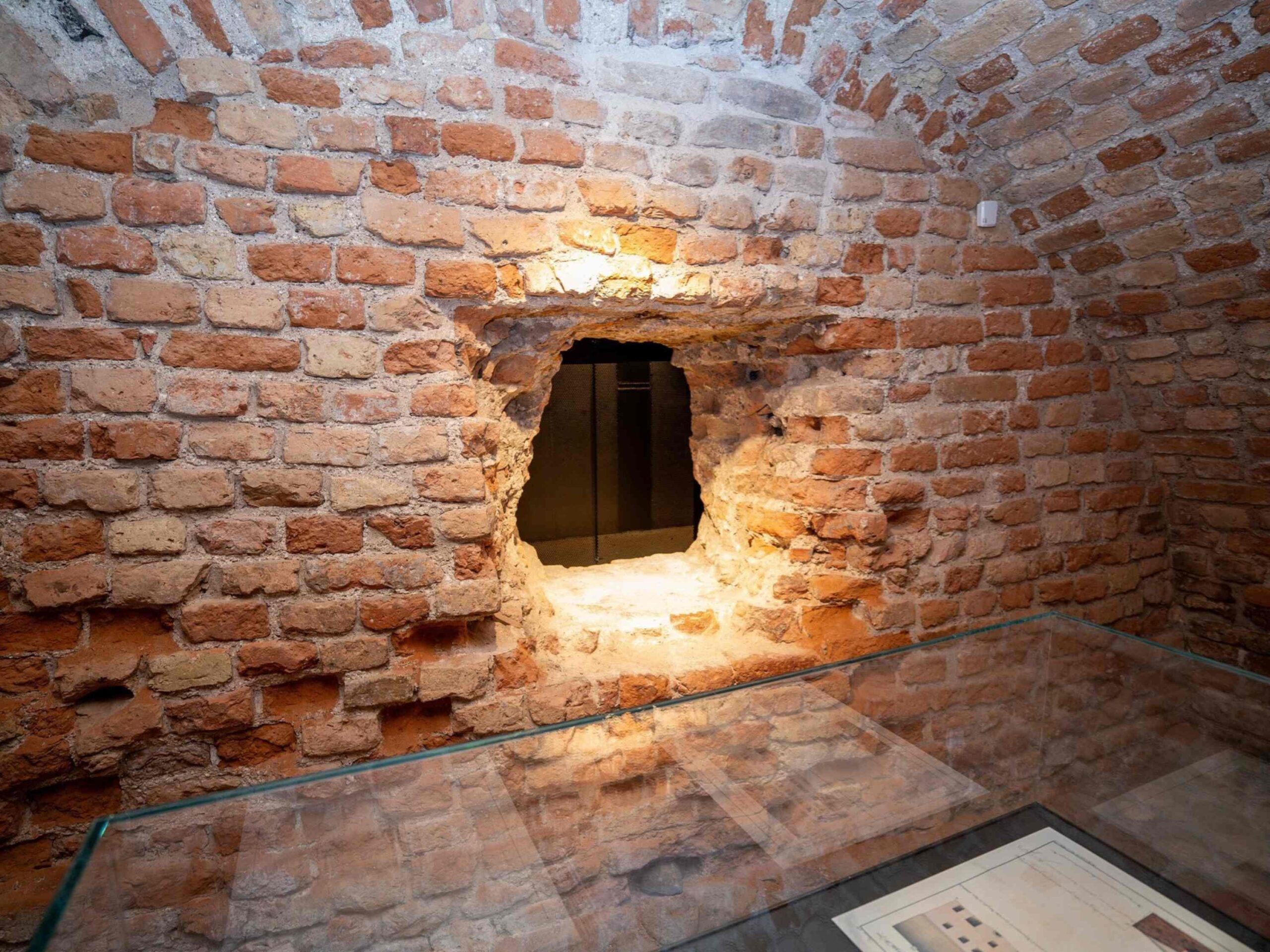
B. Vitkauskienė notes that special attention was drawn to underground passages found in the northern section of the cellars: “Though they were not completed, these tunnels may have inspired legends about secret passages beneath Gediminas Hill. Did tunnels truly exist connecting the Lower Castle to other city structures? The answer is still being sought.”
-
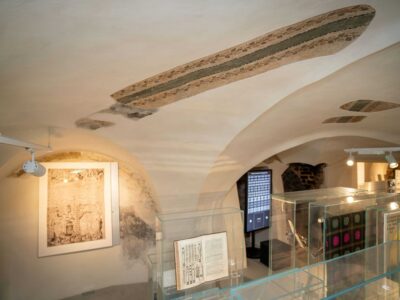
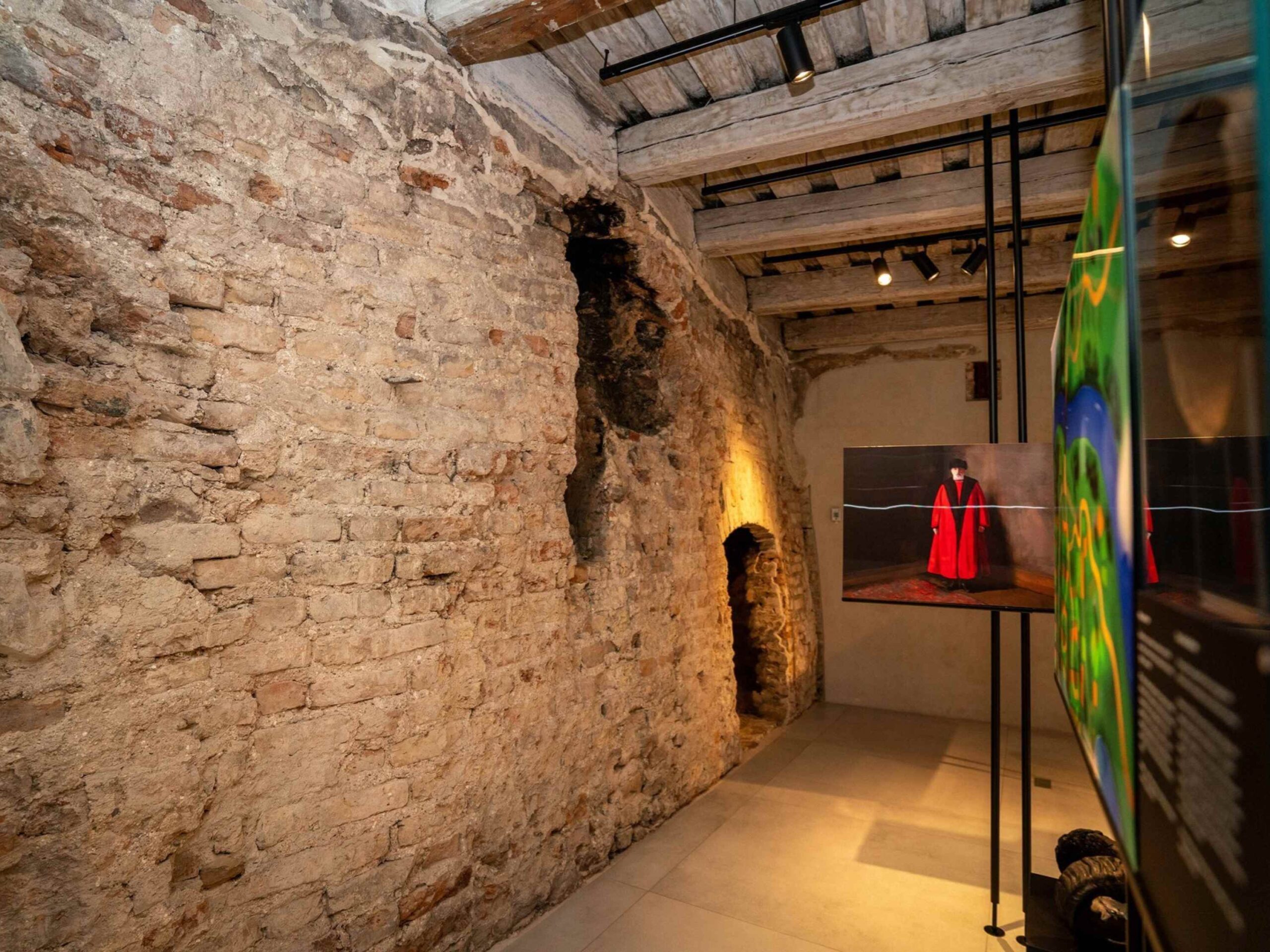
- Išlikusi autentiška Pilininko namo puošyba. Fot. Silvestras Samsonas, LNM
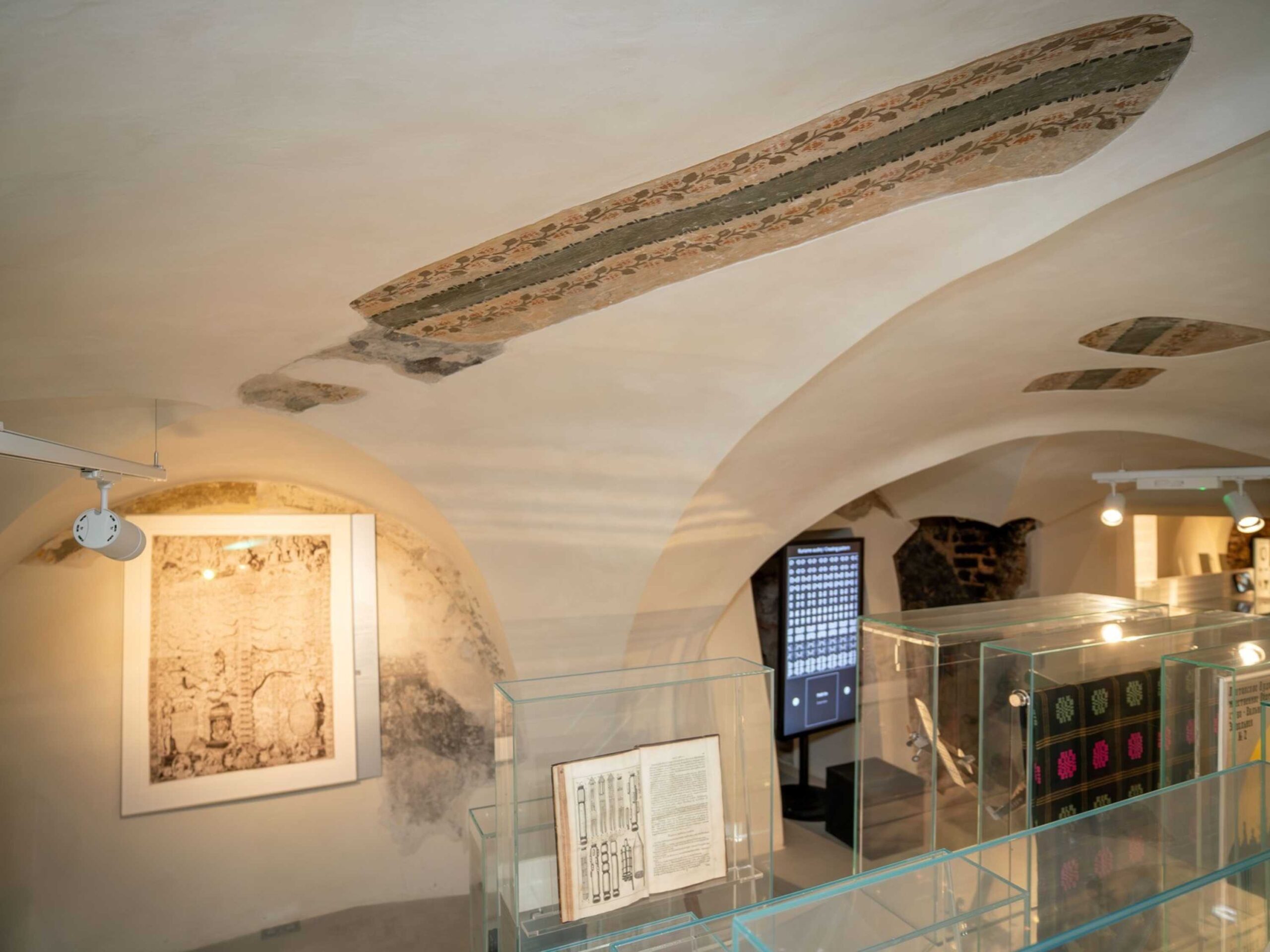
-
- Ypatingo dėmesio sulaukė šiaurinėje rūsių dalyje rasti požeminiai praėjimai. Fot. Silvestras Samsonas, LNM
A Return to Life
A few years ago, major restoration work was carried out on the Castellan’s House. During the restoration, historical fragments were uncovered, Renaissance architectural elements were restored, and the walls supporting the slope of Gediminas Hill were reinforced. The building was adapted for museum activities – it now houses the National Museum of Lithuania’s exhibition “Understanding Lithuania.”
In 2025, the National Museum of Lithuania celebrates its 170th anniversary and presents single-exhibit displays in each of its branches. In March, the Castellan’s House – also celebrating its own first anniversary – is exhibiting a unique find: a 16th-century ring discovered in 2021 during excavations of the first basement, which had been buried in the 18th-century fire.
Its shape and decoration are characteristic of the jewelry favored by nobles and wealthy townspeople at the time, adorned with enamel and niello.
-

- Eksponuojamas XVI a. žiedas, rastas XVIII a. gaisro metu užverstame rūsyje. Fot. Silvestras Samsonas, LNM

“In the 16th century, the Castellan’s House had multiple functions – it was not only an administrative office but also a place for storing confiscated goods and inherited property. Court records rarely mention jewelry, but we know that famous goldsmiths worked under the jurisdiction of Vilnius Castle in the 17th century, including Kondrat Fres and Mykolas Tšenskis. The discovery of this ring raises questions: was it the subject of a court dispute, lost during a family conflict, or simply misplaced amid dramatic events?” reflects B. Vitkauskienė.
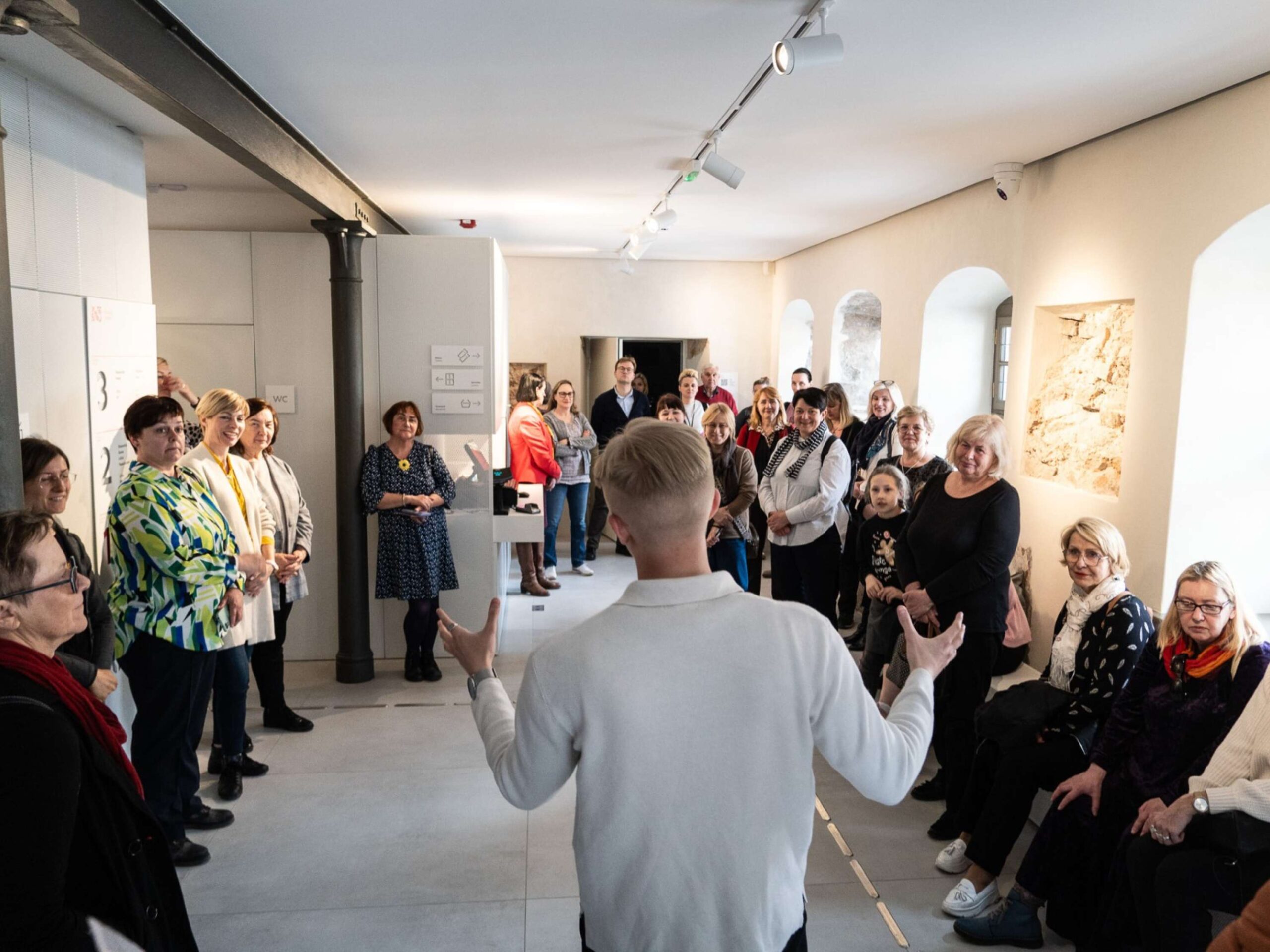
During its first year of operation, the Castellan’s House has already been discovered by both Lithuanians and foreigners seeking to learn about Lithuanian history. Visitors especially appreciate the interactive exhibition and the opportunity to explore the Renaissance-era spaces that speak of events long past.
“We are glad that the Castellan’s House has become a discovery for both Vilnius residents and guests – a place where history is not only told but also experienced. We see that people return here, bring friends, and participate in tours and events. This shows that interest in Lithuania’s past remains vibrant and relevant. That’s why, on the occasion of the anniversary, we’re offering even more tours and events, and the real cherry on top will be the special dramatized court trial staged for the anniversary. Prepared and performed by the staff of the Castellan’s House under B. Vitkauskienė’s guidance, this experience will immerse participants in a 16th-century judicial process – in an authentic historical setting, a real case will be reenacted, allowing people to feel how disputes were resolved, verdicts delivered, and justice carried out in the Vilnius castellan’s court,” says Simona Stalilionytė, head of the Castellan’s House.
-
- Lankytojus stebina autentiška Gedimino kalno atraminė siena. Fot. Silvestras Samsonas, LNM