Stories of the first single migrants: from a rector in fledgling New York to a harem of female doctors in Istanbul
2024 01 10
The process of migration affects not only the migrant himself, but also his environment: his family, his nation, the countries from which he leaves and to which he arrives. It affects the history of the whole world, as migrants “carry” ideas, attitudes, material things, cultural experiences and knowledge, and by accumulating knowledge from different countries and cultures, they often become agents of change, discoverers and creators.
The authors of the exhibition “Lithuania the Size of the World: Our Migration History” at the History House of the National Museum of Lithuania invite you to get acquainted with the extraordinary stories of the first individual migrants from the Grand Duchy of Lithuania or the Republic of the Two Nations.
The first Lithuanian to reach the shores of America
According to known historical sources, Aleksandras Karolis Kuršius is considered to be the first Lithuanian to reach American shores. The ship carrying him sailed from Amsterdam to the New World in the spring of 1659.
Karolis Kurošius was encouraged to leave the Republic of the Two Nations by the ongoing attacks of the Mascots. He first went to the Netherlands, where he received an unusual offer to become rector of the first Latin school in New York.
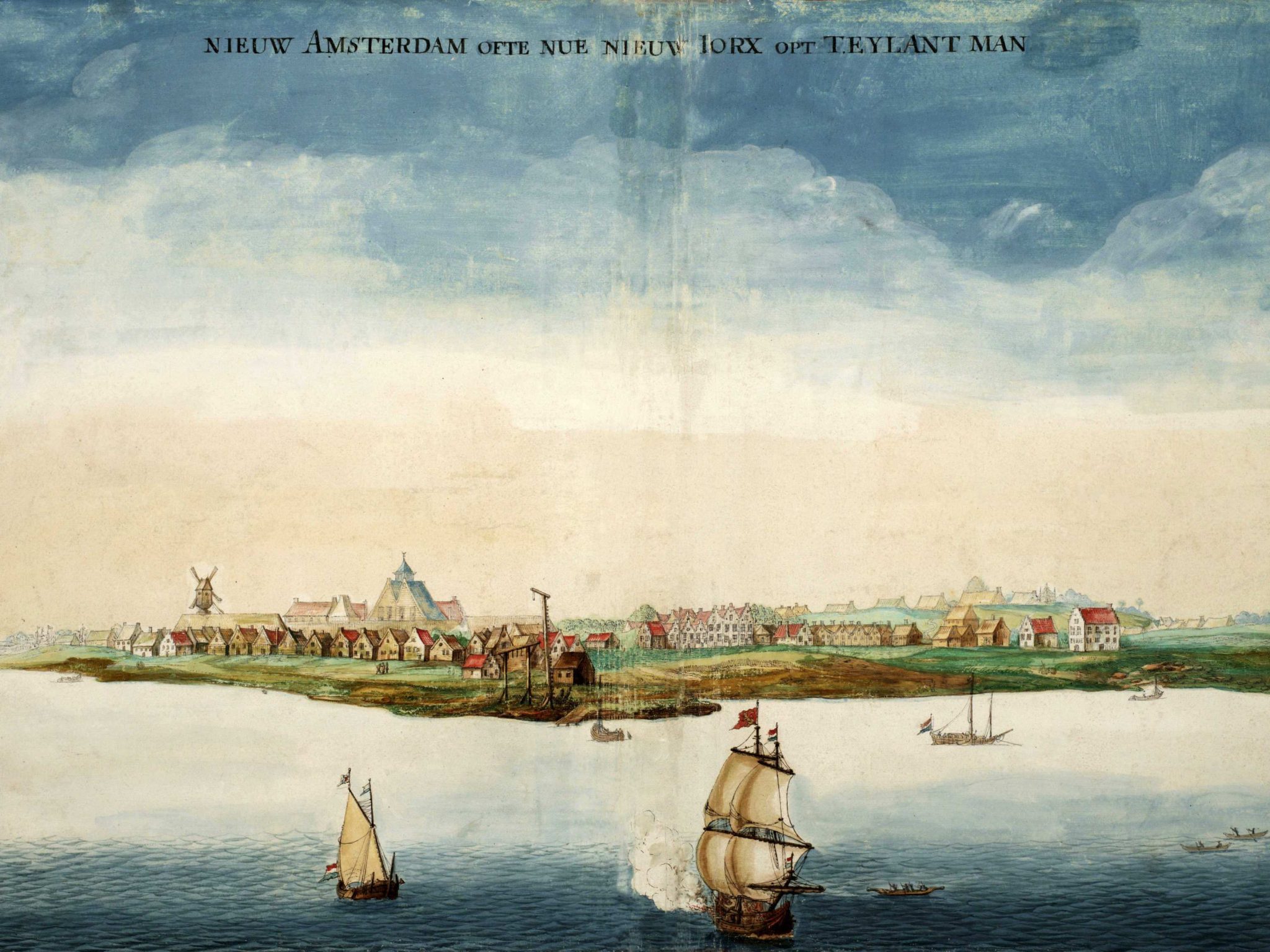
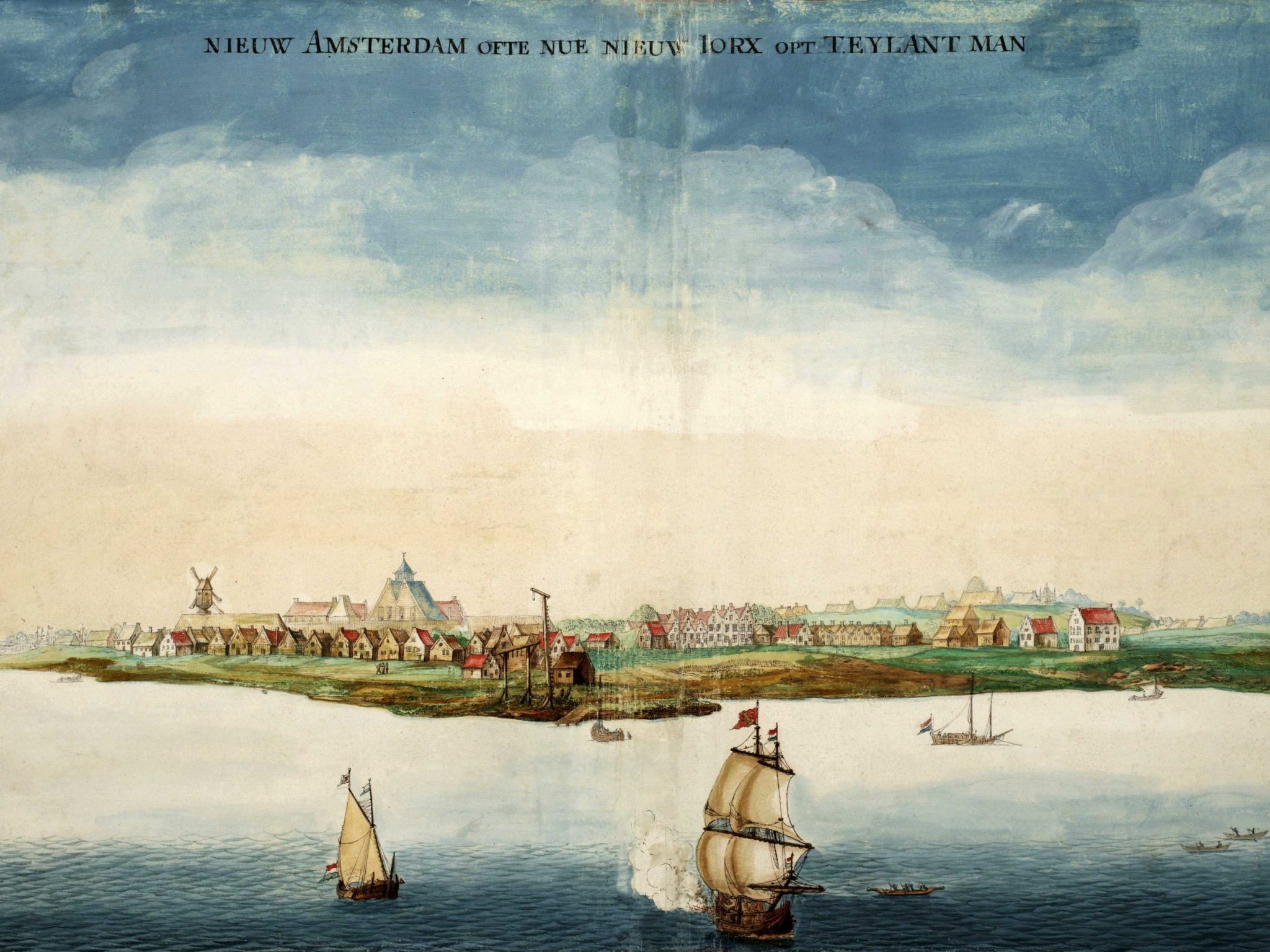
The Netherlands was in its golden age at the time, which began with the expansion of the colonies to the East and West. In America, the Dutch founded New Amsterdam, today’s New York City, was growing in population and the city’s burgesses began to consider establishing a school. Finding a suitably qualified person to sail to an unfamiliar land and make a fresh start was not easy, but Cursius answered the call. According to the contract he signed, he was promised a remuneration of 500 florins a year, plus 100 florins for the costs of settling in the town.
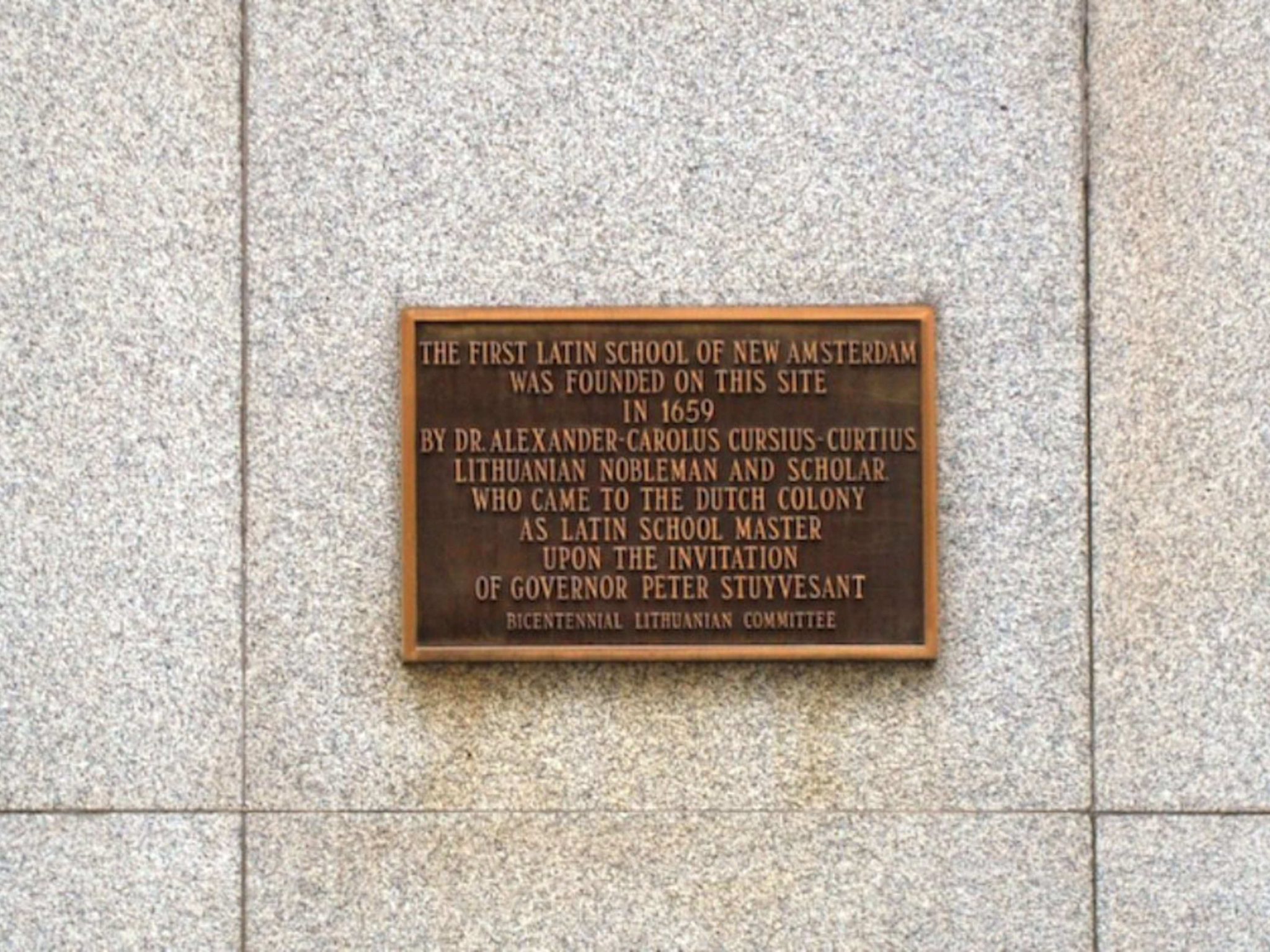
The Latin School for Boys, opened by Charles Kursius, was located in lower Manhattan on what is now Broad Street. At that time, New York had a population of about 1,500 inhabitants and 200 houses. But the city was growing and changing fast. Soon, Charles Kurchis began to complain to his employers about rising prices and to ask for a pay rise. Although the students’ results were excellent, the salary was not raised.
-
- In the distance, not yet skyscrapers, but low-rise Dutch-style buildings, were rising along the shores of what is now New York.
-
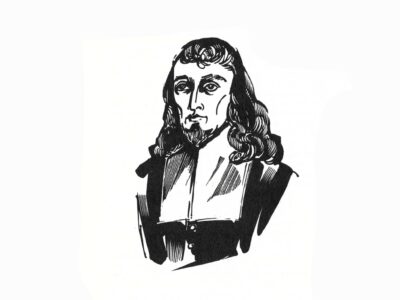
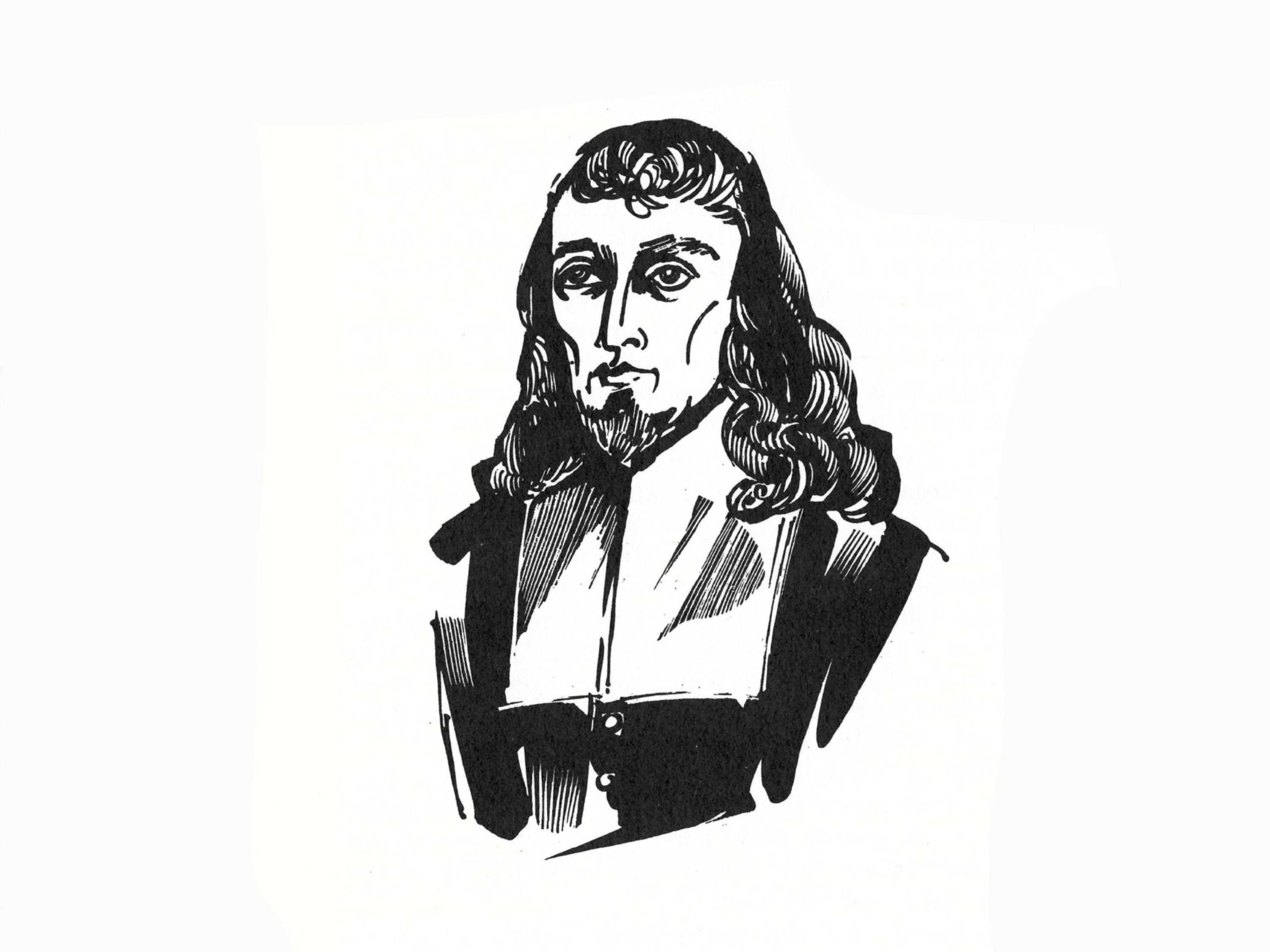
- Portrait of Dr. Alexander Carolus Curtius-Curtius, painted by Pranas Lapė. USA, 1967
-
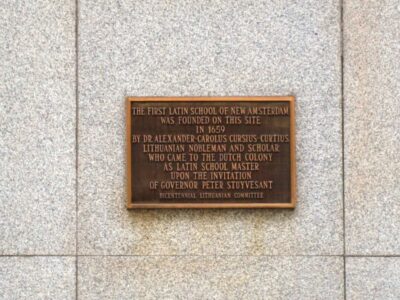
- For four decades, a memorial plaque dedicated to Kuršius and the school he founded hung in downtown Manhattan.
bus fotkės
Kuršius also practised as a doctor. After more than two years, he left his post as rector of the New York School and returned to the Netherlands, defending his thesis on “Diseases of the Kidneys and Bladder” at Leiden University in 1662.
She treated both the Empress of Russia and the women of the harem
Regina Salomea Rusetskaya-Pilštyniova, considered to be the first female doctor in the GDL, could boast a very exotic emigration experience.
Regina Salomea was born in 1718 into a family of minor nobility in Naugarduk province. From a young age, she was distinguished by her courage and determination, and she loved to shoot, always carrying a pistol and a rifle. According to the social norms of the time, at the age of just 14 she was married to a German Lutheran ophthalmologist, Jacob Halpir, and ended up in Istanbul, where her husband worked.
Not wanting to be a housewife and a wife, she took up self-training as a doctor. She learned from books, her husband and other doctors she met. By combining her knowledge of traditional medicine with astrological, magical, divinatory and folk medicine knowledge, she quickly built up a reputation as an excellent healer at a very young age. It was not easy for a Catholic woman in a Muslim country and a male-dominated world. She was repeatedly denied the right to practise medicine, only to be reinstated again as her patients recovered.
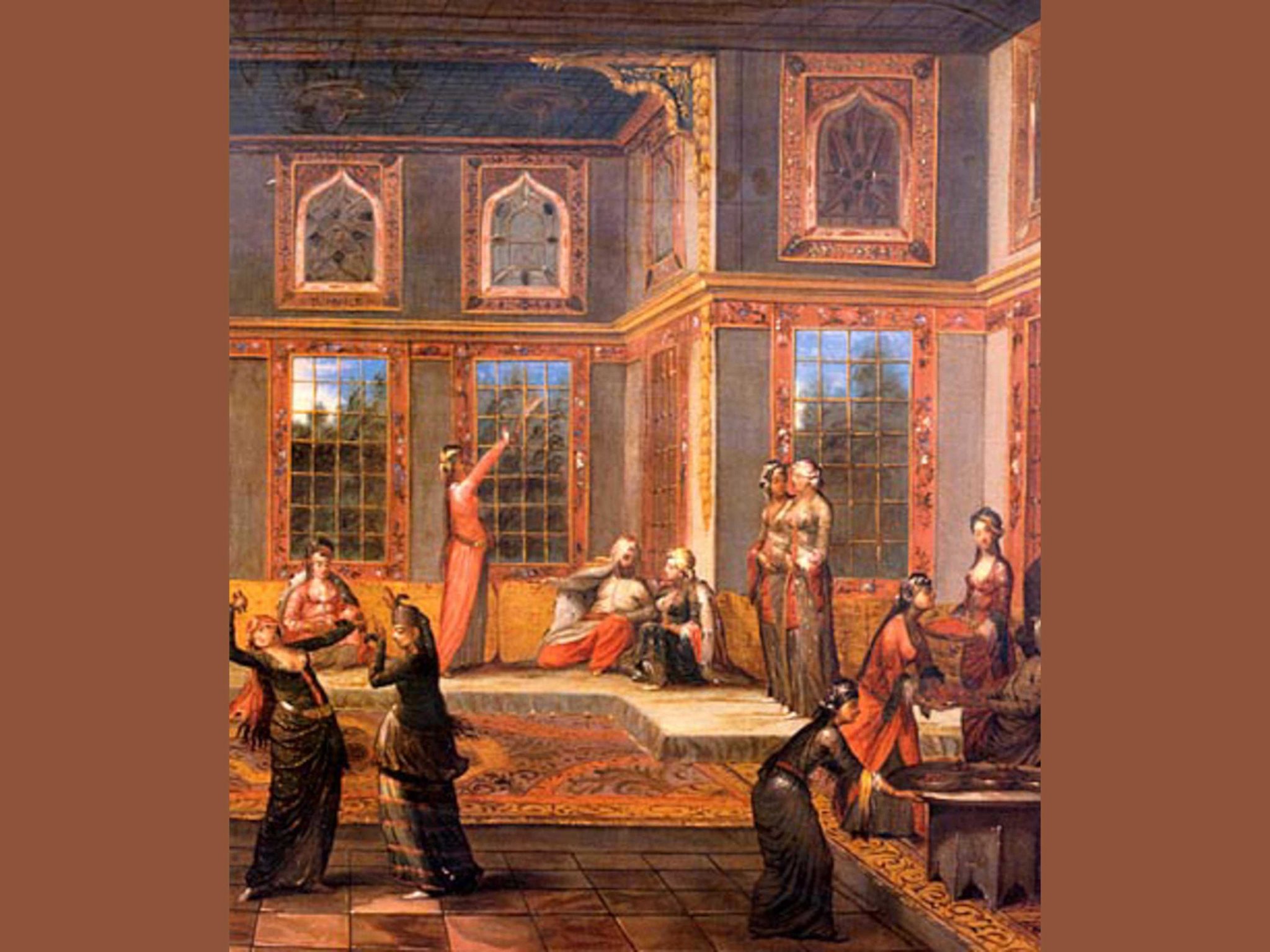
she has been married twice. When her first husband died, she left Istanbul and headed north. In St Petersburg, she treated the Russian Empress Anna Ivanovna. After long journeys, she returned to Istanbul and after never giving up her calling as a doctor, she took up a job in the Sultan’s harem, where she looked after the health of the 3 300 women and the 400 eunuchs (emasculated men) who looked after the harems.
-
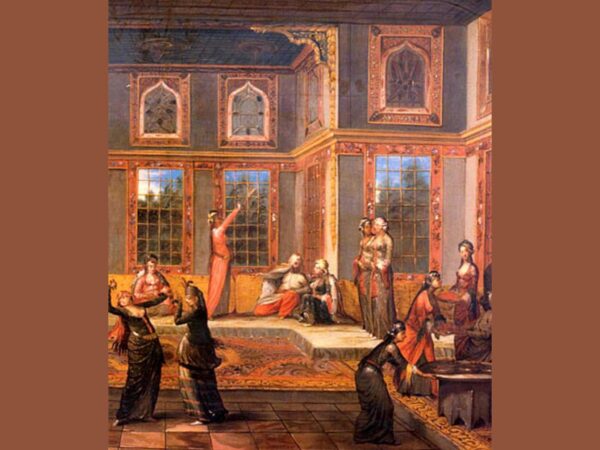
- Salome was well acquainted with the daily life of the harem. Jean Baptiste Vanmour Scene in the Harem with the Sultan. France, 1730
Missionary in Asia
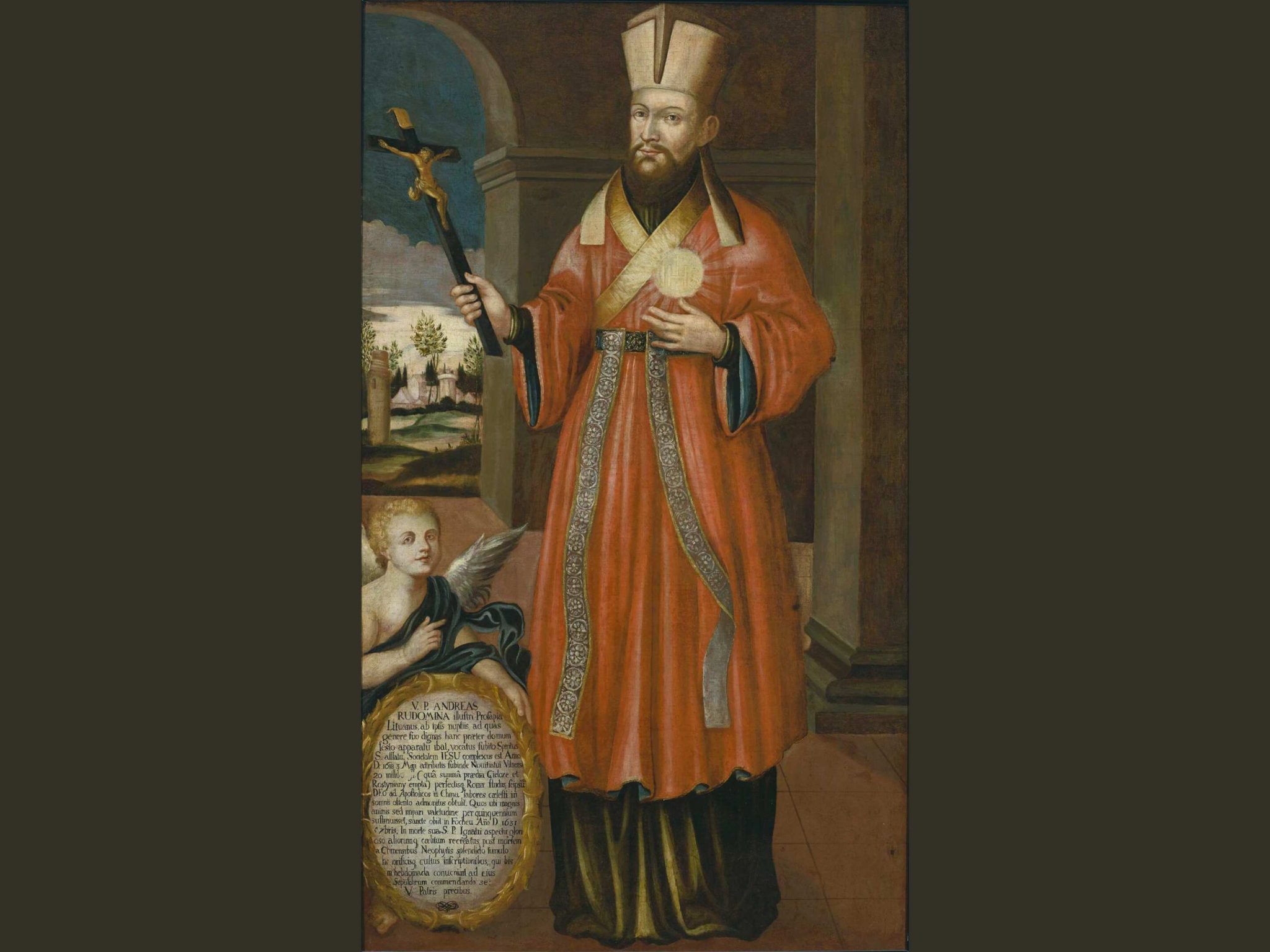
In the 17th century, travelling to Asia from Europe was not easy, as you not only had to have the money for the journey, but you also had to endure the journey by boat. It took half a year and only half of the passengers survived because of disease and dangers at sea. It took courage and determination to embark on such a journey. Nevertheless, the Jesuit priest Andrius Rudamina landed in Goa, India, in August 1625 at the age of just 29, after a gruelling journey.
Born into a noble family in the Ignalina district of the GDL, Andrius Rudamina felt a spiritual vocation early on, but could not follow it immediately. Having lost his very pious mother as a child, he had to obey his father’s will and study philosophy and law at foreign universities. It was only when his father died that he decided to listen to his vocation and joined the Jesuit Order, bequeathing to him all the property his parents had inherited.
Rudamina was the first Lithuanian to land in India, where he preached the word of God and toiled hard, nursing the sick on ships in port, in prisons and hospitals. Soon after, he fell seriously ill with malaria and was sent to China to recover his health.
At the time, China was cut off from the rest of the world by the Great Wall, so Rudamina had to learn Chinese quickly and try to understand the local culture. Soon he was apostolising here too, visiting the sick and the poor. With his excellent education, he was able to make friends with the educated and influential Chinese mandarins. The Chinese book “Conversation with a Priest”, which contains the answers of two Jesuit Fathers to the most common questions of Christianity for the Chinese, is believed to have been written by a Chinese Mandarin, under the dictation of Andris Rudamina SJ and Giulio Aleni SJ.
-
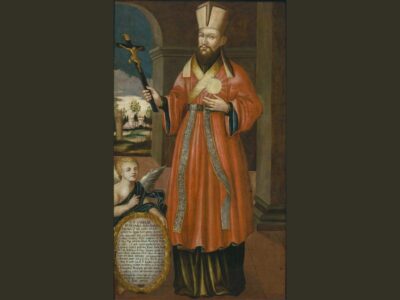
- Andrius Rudamina. ATR, 18th century. National Museum of Poland
-
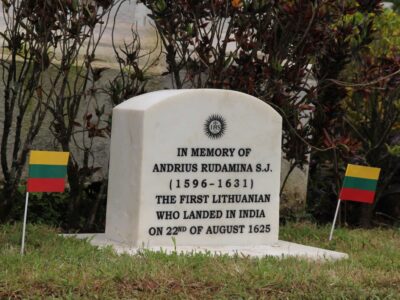
- Monument to Rudamina in Goa, India, 2015. Photo by Ignas Augustis
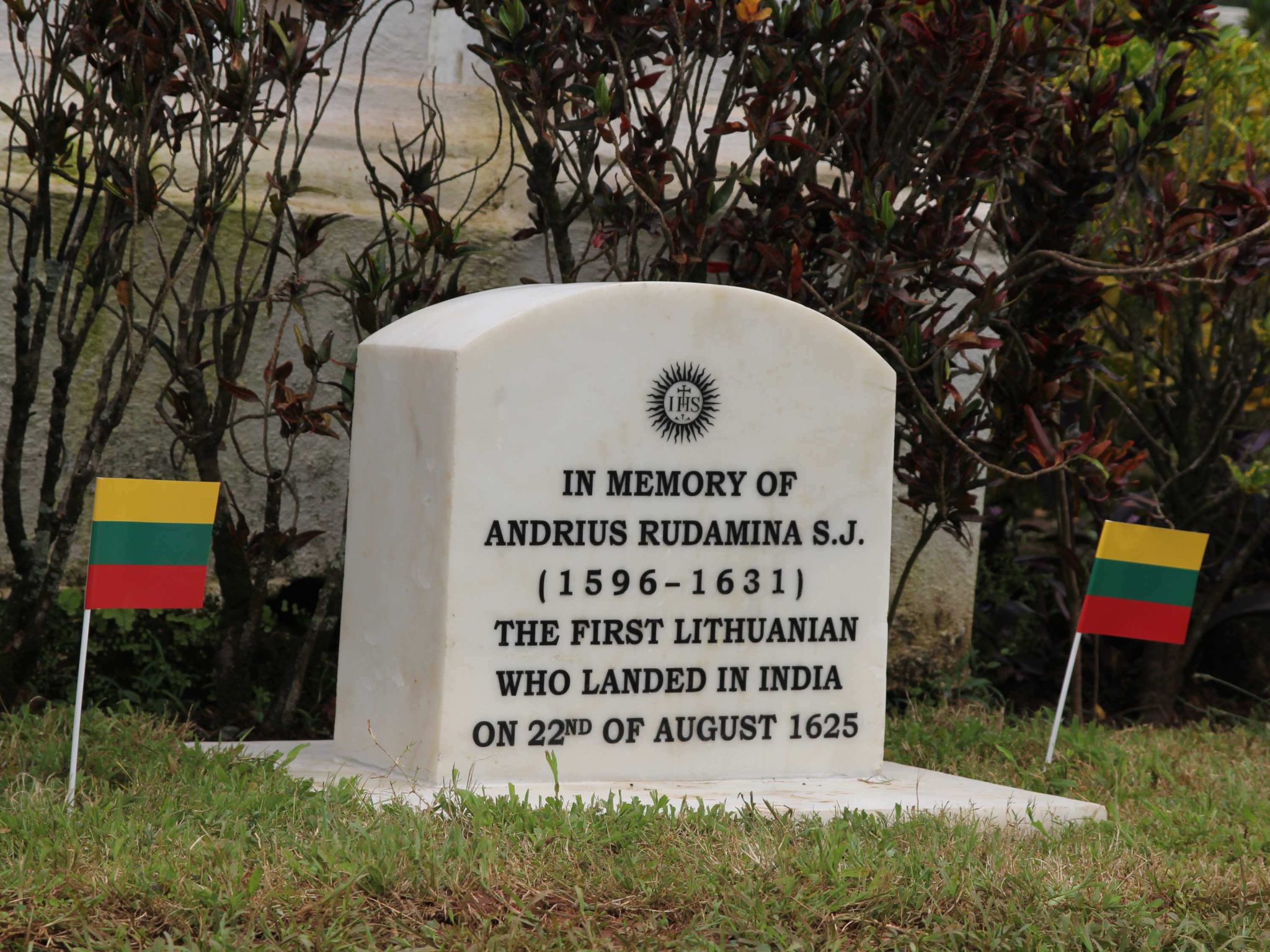
Andrius Rudamina died at the age of 36. He spent only 7 years in Asia, but was considered a saint by his contemporaries. For many years after his death, Chinese people would go to his tomb to pray and ask for God’s intercession.
These stories are part of the National Museum of Lithuania’s exhibition “Lithuania the Size of the World: the Story of Our Migration” and the accompanying publication of the same title. The exhibition is under the patronage of the President of the Republic of Lithuania, Valdas Adamkus, and is open at the House of Histories in Vilnius. It is the first comprehensive exhibition devoted to Lithuanian migration processes from the mid-19th century to the present day. It is brought up to date through a series of events, excursions and educational activities for schoolchildren.