
Exhibition “Understanding Lithuania”

-
From 2024 03 27
-
II–VII 10 AM–6 PM (holiday opening hours can be found on the branch's webpage)
-
Arsenalo St. 1, Vilnius
-
Exhibition
-
Adults – 7 Eur, discount ticket – 3,50 Eur
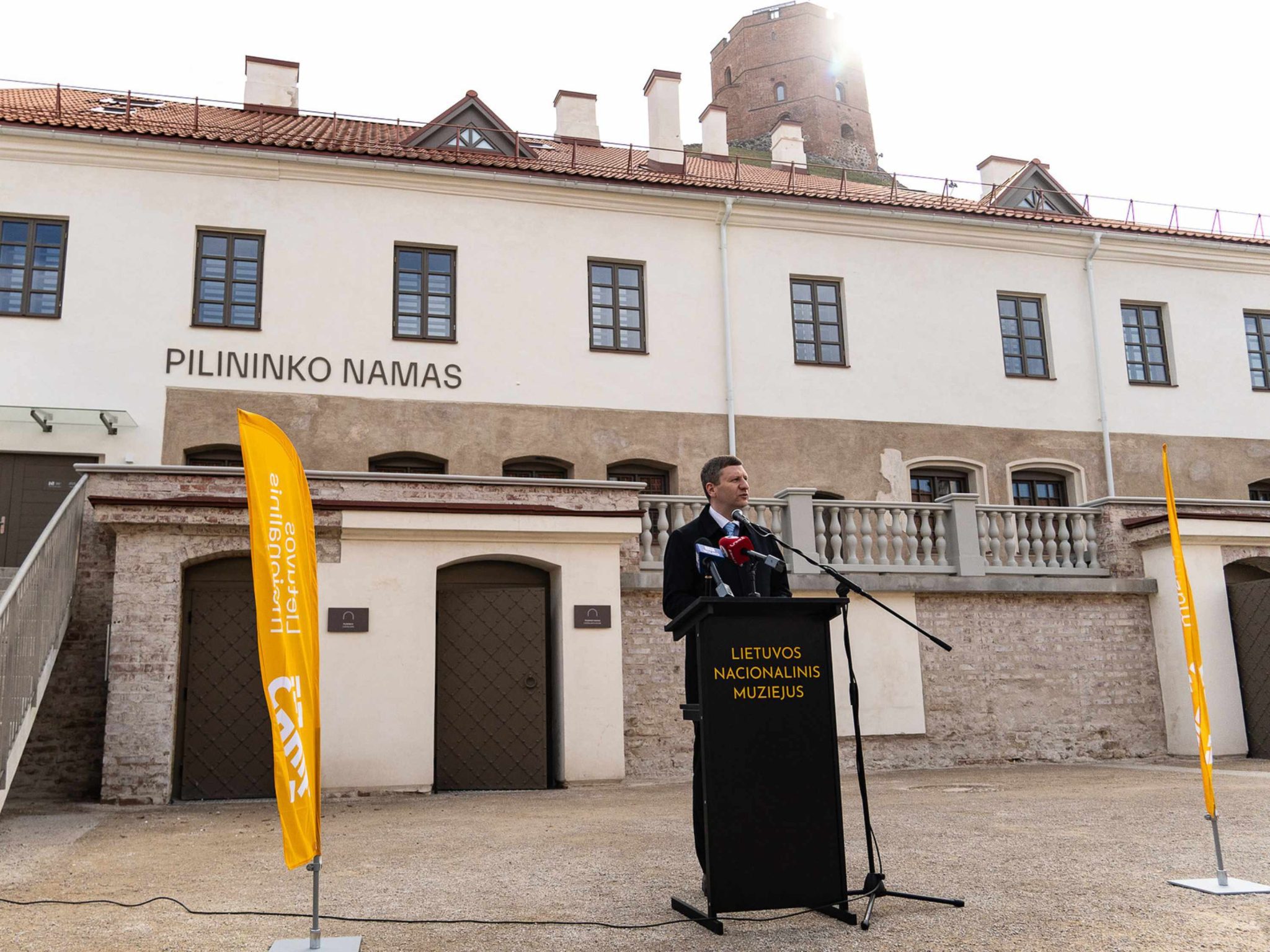
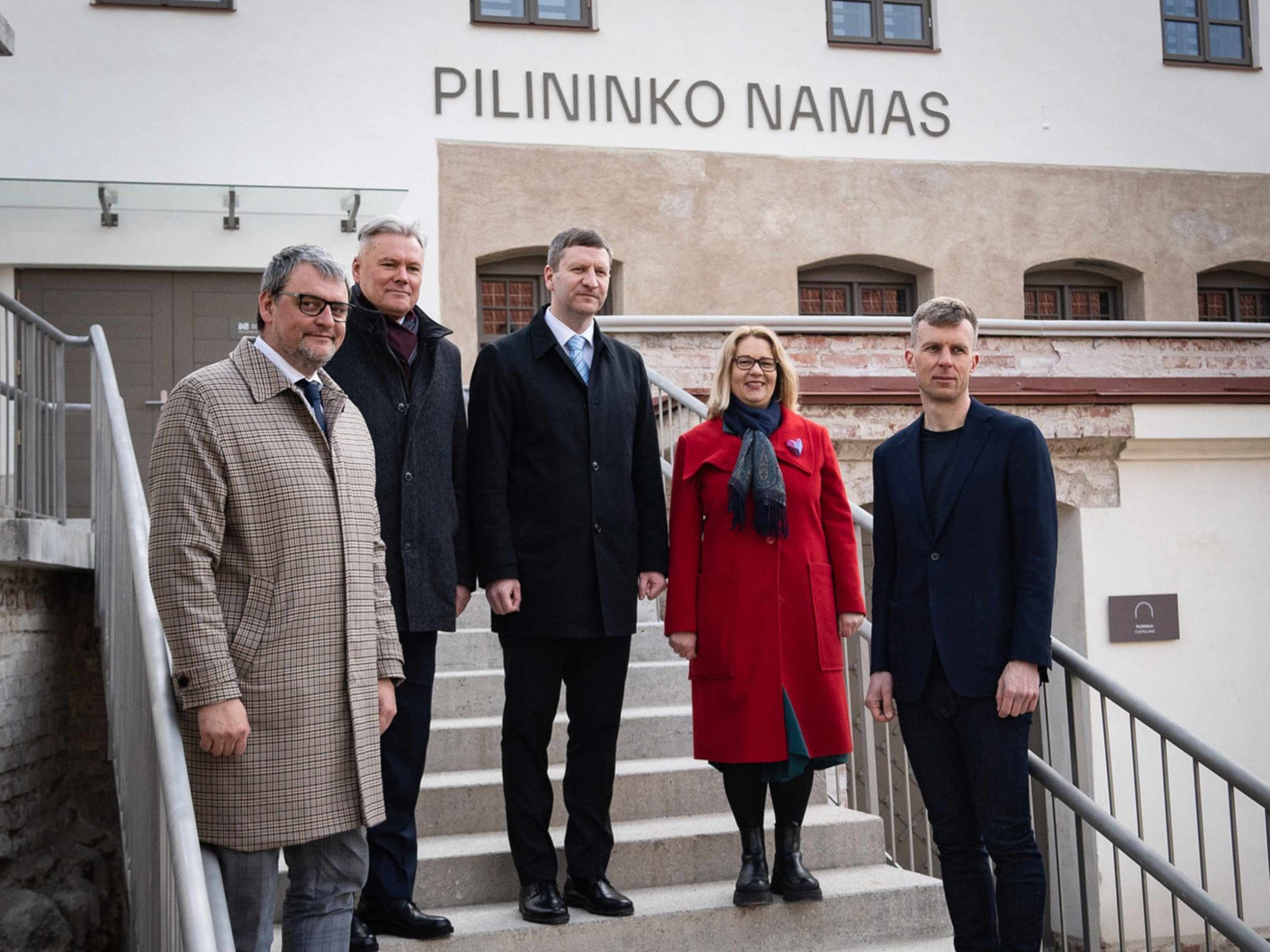
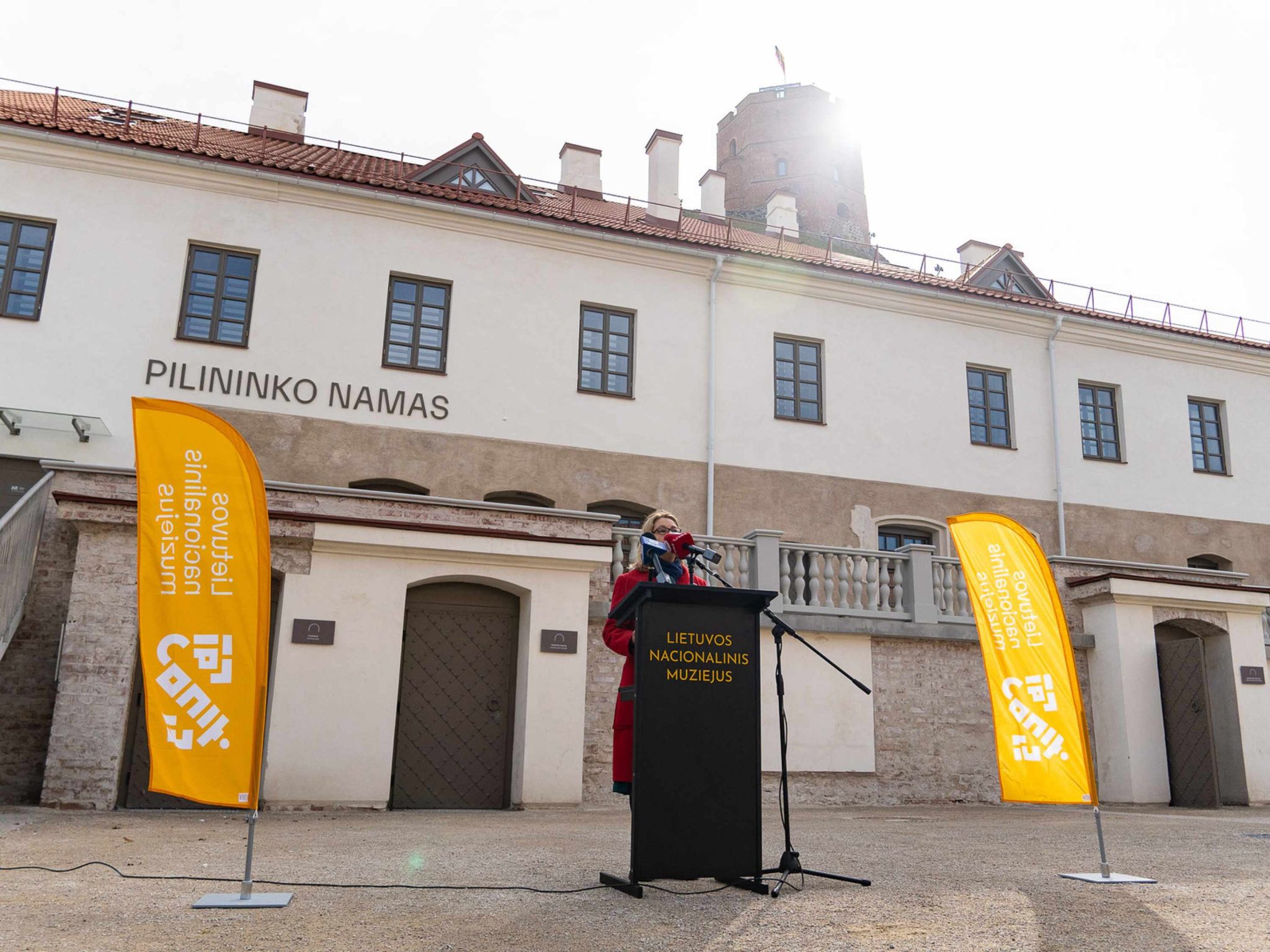
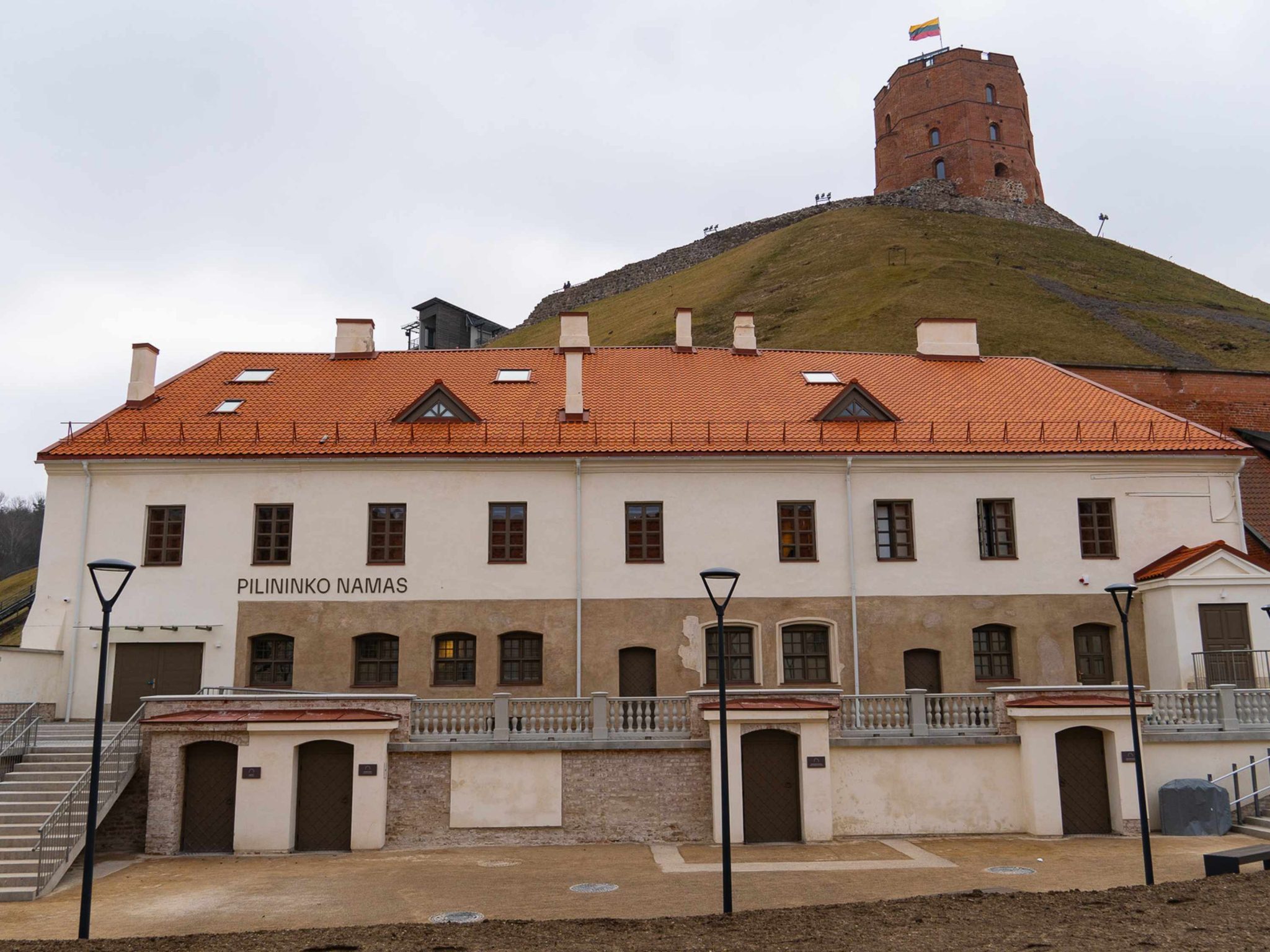
A new exposition presenting Lithuania’s history opens at the Castellan’s House. It is the newest exposition unit of the National Museum of Lithuania, presenting Lithuania’s history, culture and people who have contributed to the country’s development, as well as introducing visitors to the key ideas that shaped Lithuania’s identity.
What will you find here?
The main factors influencing Lithuania’s history and culture are presented in the museum under the following topics: Creation, Beliefs, Battles, Turning Points in History, Global Connections, and Faces. Each topic is displayed in a separate exhibition hall and covers the most important events and phenomena from ancient times to the present day.
The main exposition of the Castellan’s House is complemented by a story presented in the cellars about a castellan’s profession, castellanry, stonemasonry and the history of the city of Vilnius 200 years ago.
After visiting the exposition, you will be able to buy themed souvenirs. The exposition “Understanding Lithuania” has been designed in such a way as to become an attractive space for both young visitors and guests of the city. We hope that the Castellan’s House, which opens at the foot of Gediminas Hill, will become a new excellent place for events and leisure.
The Castellan’s House is awakening – what is the history of this building?
This modest house, built in the 16th century, has an extraordinary history. It is one of the oldest and best-preserved buildings on the estate of the castles of Vilnius. Until the 18th century, it was the headquarters of the castellans of Vilnius. The estate of the castles of Vilnius began to form in the 13th century, together with the state of Lithuania. Construction and renovations were constantly taking place, and many people lived here. Therefore, it is not surprising that in the mid-15th century the office of castellan appeared. The castellan of Vilnius was appointed by the ruler of the Grand Duchy of Lithuania.
A castellan oversaw construction, castles, and palaces of the rulers. He rented the mill and the land, collected taxes, and settled disputes between the people living around the castles. A castellan served the ruler for life. History has preserved the names of 39 castellans, the last of whom was killed by soldiers of the Russian Empire.
When Lithuania became part of the Russian Empire, gendarmes took up residence in the House of the Castellan, and later artillerymen’s workshops and a kitchen were installed there. It is fortunate that the history of the Castellan’s House does not end there. In the middle of the 20th century, after the military unit had moved out and the buildings of the castles of Vilnius had been adapted to the needs of the museum, the administration of the National Museum of Lithuania, the departments of the Lithuanistic collections, and the restorers settled here.
In 2020–2024, the Castellan’s House was investigated, restored, and an exposition dedicated to Lithuania was set up in it. The castellans would be happy with such a twist in history.
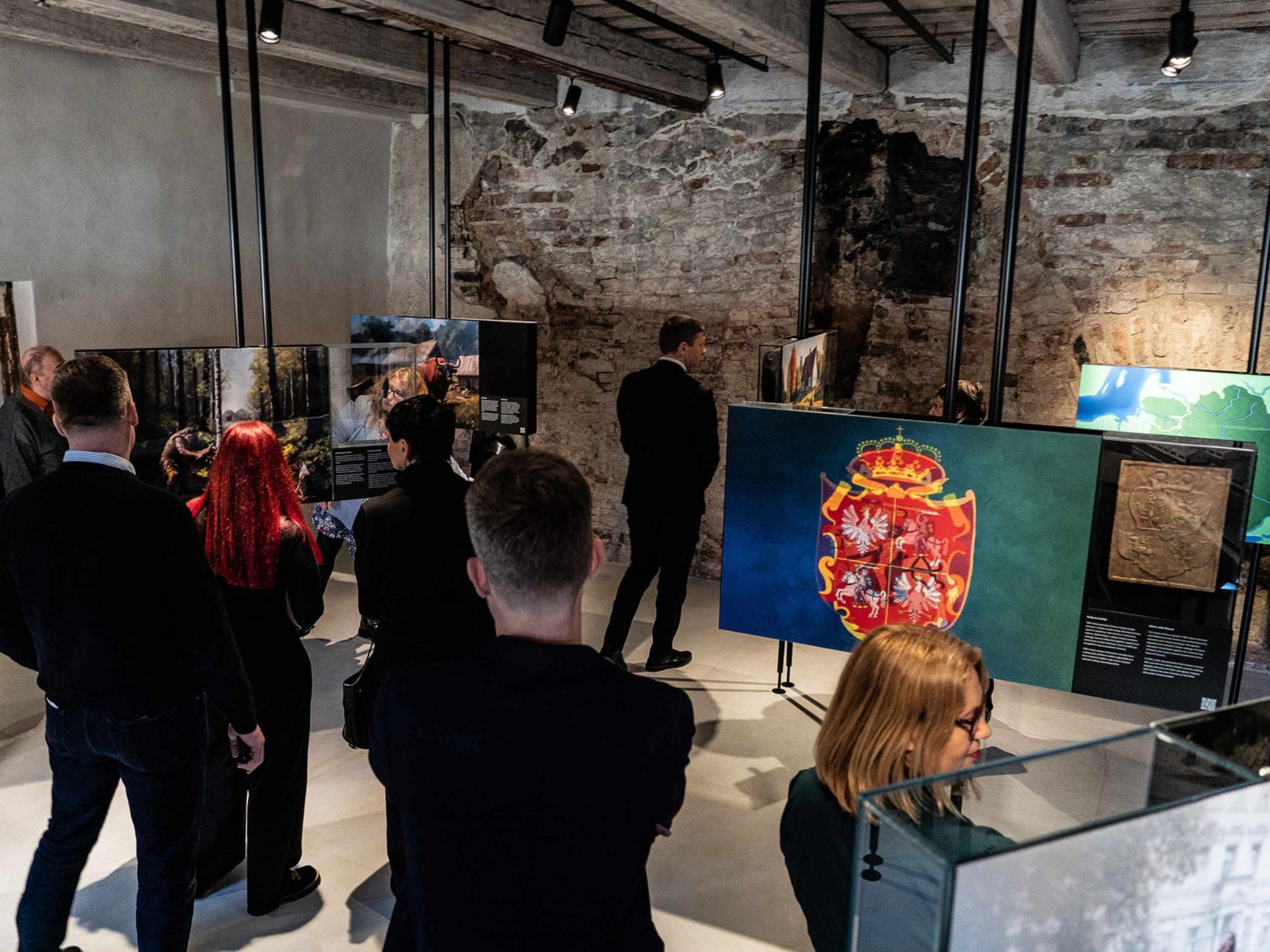
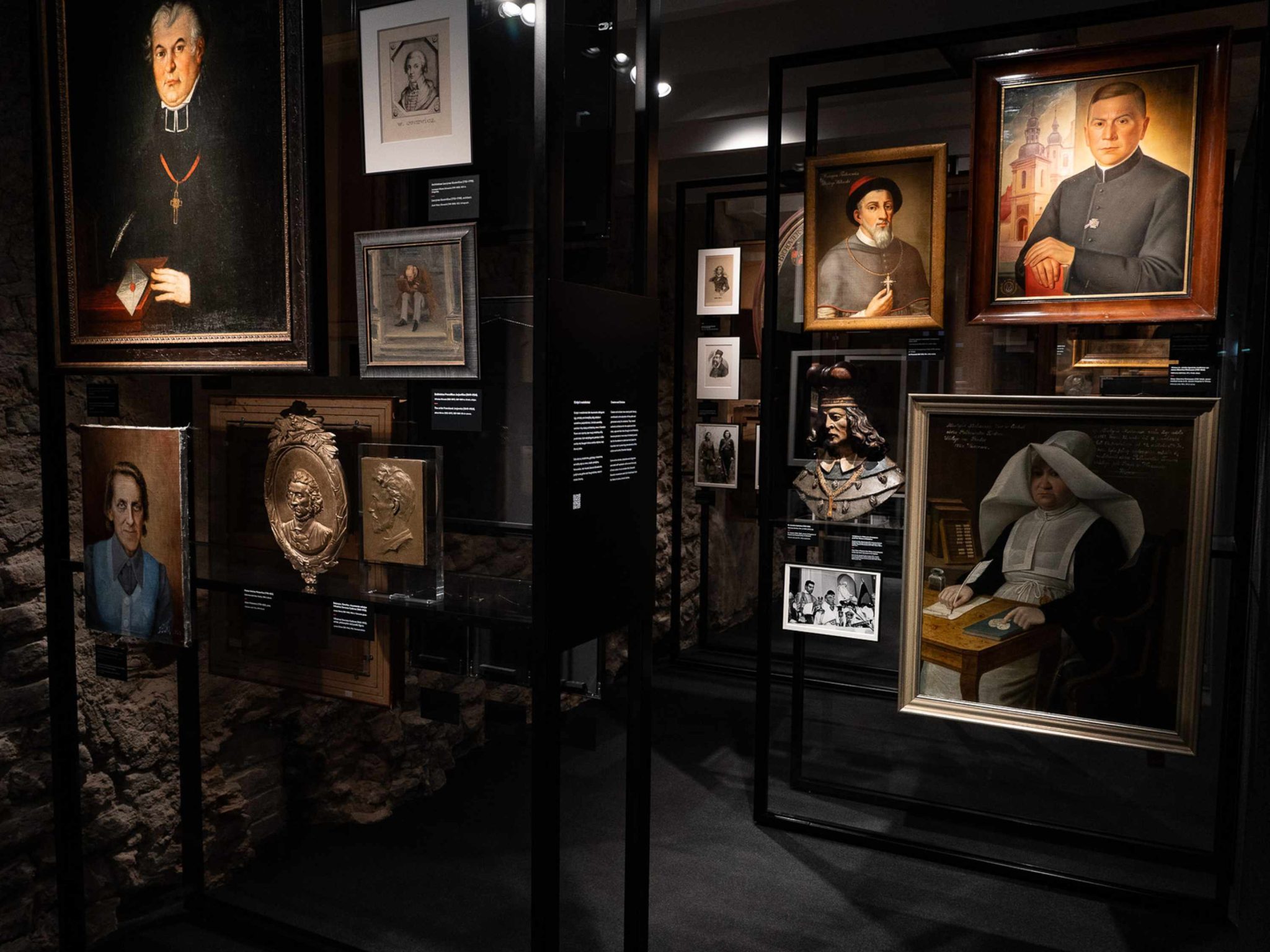
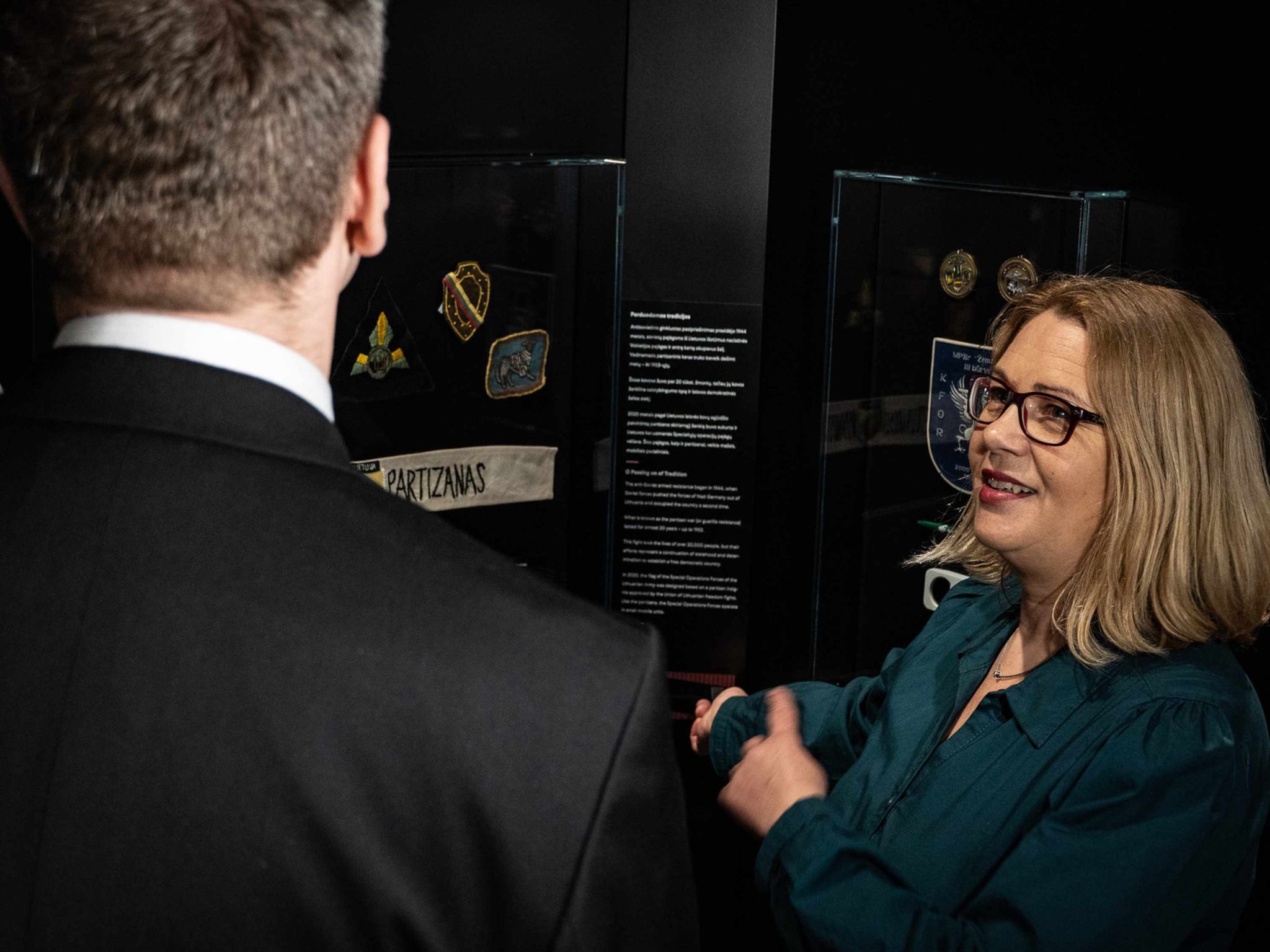
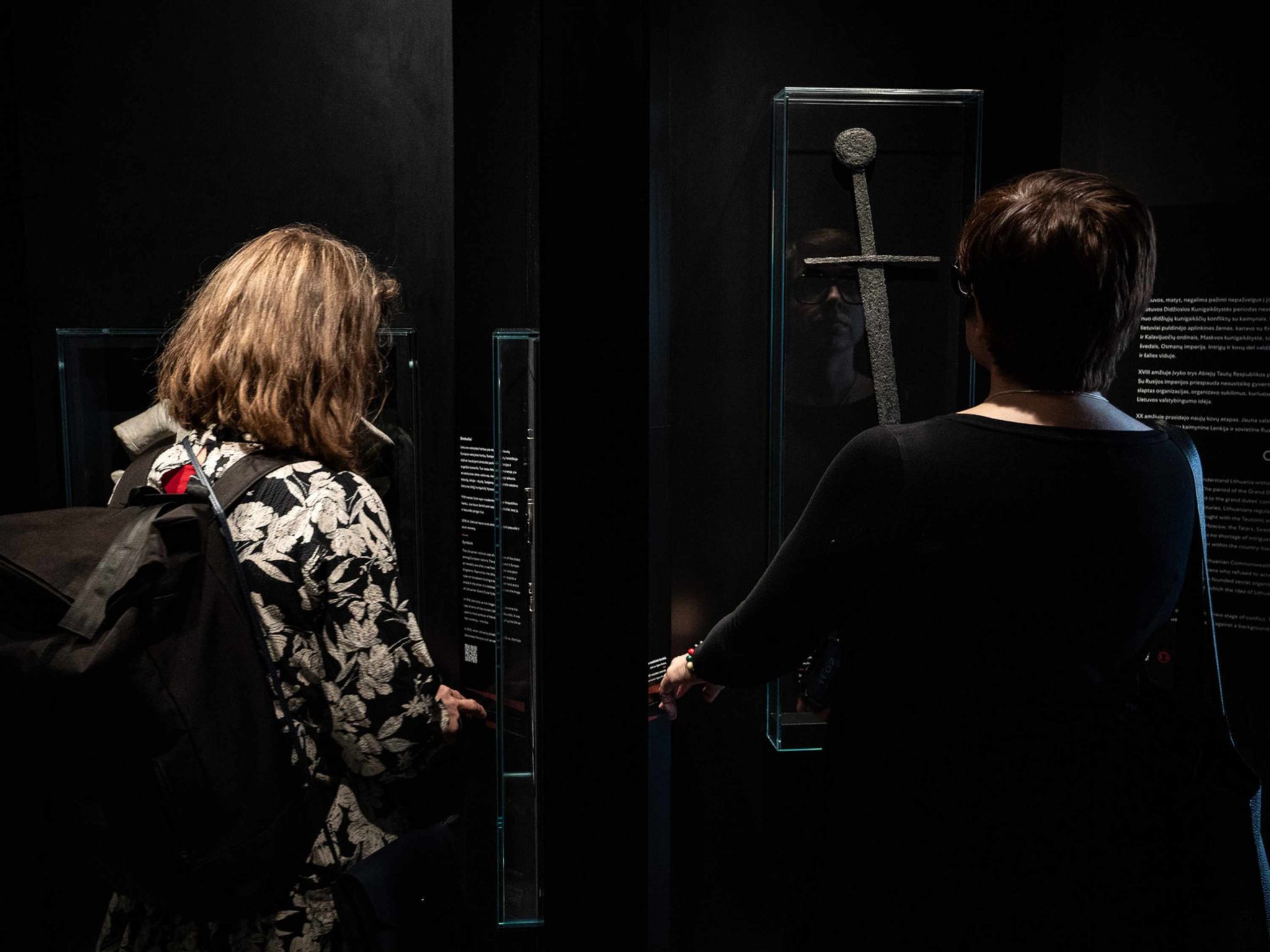
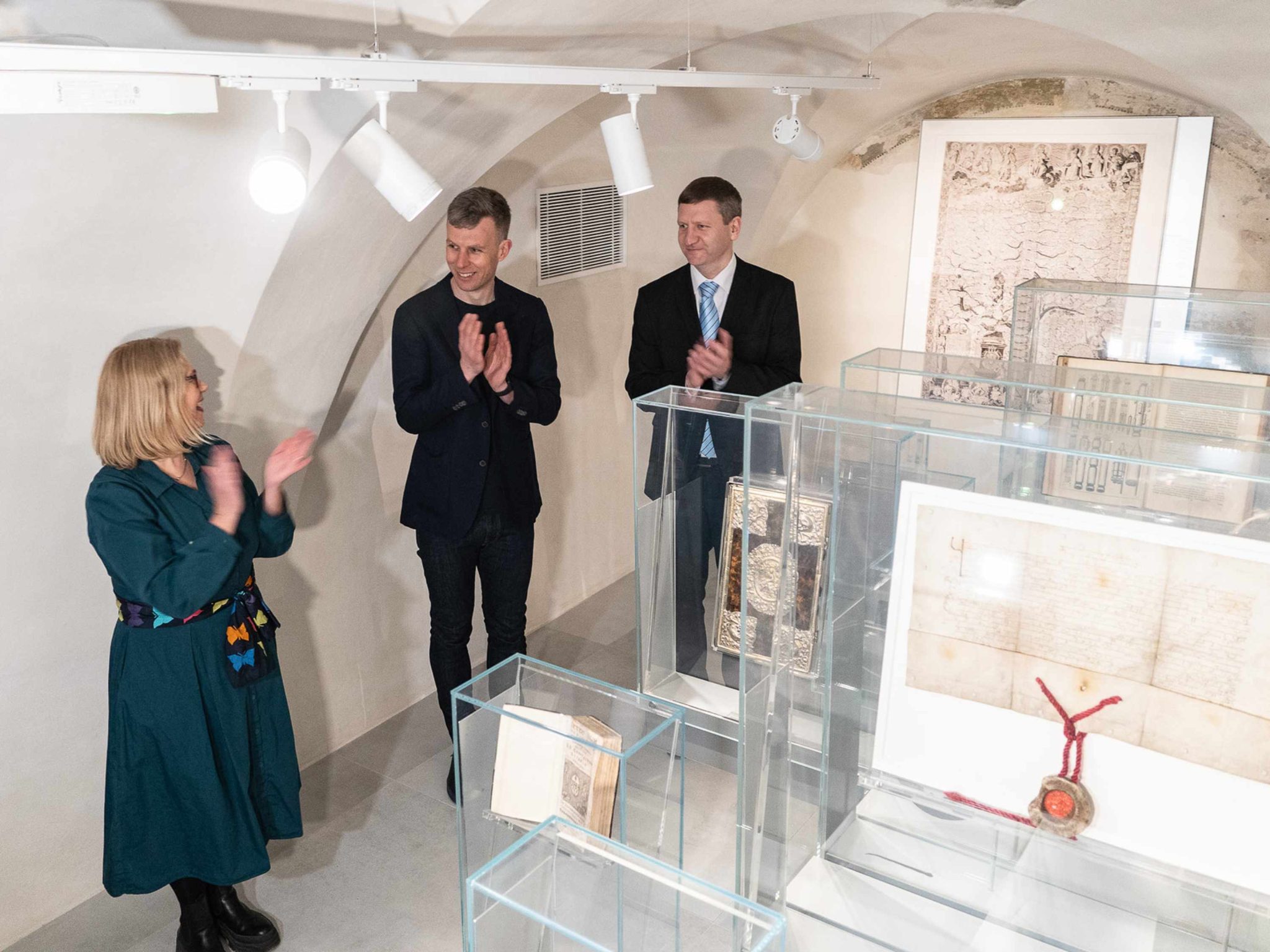
Photos by Augustinas Bėkšta
Organiser
The National Museum of Lithuania
Authors of the concept:
dr. Artūras Vasiliauskas
dr. Gabrielė Rimkutė
Neringa Bliūdžiūtė
dr. Norbertas Černiauskas
prof. dr. Rimvydas Petrauskas
prof. habil. dr. Tamara Bairašauskaitė
Curators:
Eglė Zaveckienė
dr. Rūta Kačkutė
Consultants:
Birutė Vitkauskienė
Dainius Junevičius
Karolina Glinska
Coordinators:
Simona Stalilionytė
Mindaugas Kaikaris
Rimantas Oičenka
Vilija Biekšaitė
Architecture:
UAB „Processoffice“
Adelė Dovidavičiūtė
Dorotėja Žiugždaitė
Dovilė Krikščiūnaitė
Eglė Matulaitytė
Justina Stefanovič
Marius Kanevičius
Rasa Chmieliauskaitė
Rokas Kilčiauskas
Valdas Razma
Vytautas Biekša
Graphic designer
Vilija Biekšaitė
The authors of the texts:
Eglė Zaveckienė
Jonas Tertelis
Rita Karklytė
Editor:
prof. dr. Irena Smetonienė
Restorers:
Algis Blažys
Vita Blažiūnienė
Communication and marketing:
Jurga Strimaitienė
Educators:
Daina Šėmienė
Laisvūnas Čekavičius
Laura Trasauskienė
Raigardas Budvytis
Information partners:
LRT
JCDecaux
The project was financed by:
Central Project Management Agency
Partners:
Birutė Galdikas fund
Jonas Mekas Centre of Visual Arts
Kaunas 9th Fort Museum
Tadas Ivanauskas Zoological Museum in Kaunas
Center for Laser Research (Vilnius university)
Lithuanian Aviation Museum
Lithuanian Central State Archive
The Special Archive of Lithuania
The Religious Community of Lithuanian Karaites
Lithuanian National Museum of Art
Lithuanian National Radio and Television
Archive of the Seimas of the Republic of Lithuania
Šiauliai „Aušra“ Museum
Thanks to:
„Baldų mozaika“
„Iron cat“
„Surikatos“
„Šmikis“
3D Creative
Aistė Dargužaitė
Aistė Pakalkė
Albertas Bukauskas
Aldona Vilutytė
Ariel Ink
Arūnas Kulikauskas
Arvydas Repšys
Augustinas Bėkšta
Dovydas Bou
Evaldas Babenskas
Gintaras Sodeika
Gvidas Slah
Jonas Aničas
Jonas Bugailiškis
Justina Kazokaitė
Kazimieras Sližys
Laura Martinkutė
Laurynas Kamarauskas
Martynas Auž
Martynas Bialobžeskis
Martynas Starkus
Milda Griciūtė
Remigijus Vilkaitis
Rokas Mikšiūnas
Sakalas Uždavinys
Sam Quinn
Saulius Rumbutis
Sigitas Motoras
Stanislovas Kairys
Tauras Kensminas
Tomas Šabrinskas