You will experience the development of Lithuania’s history and culture through six topics.
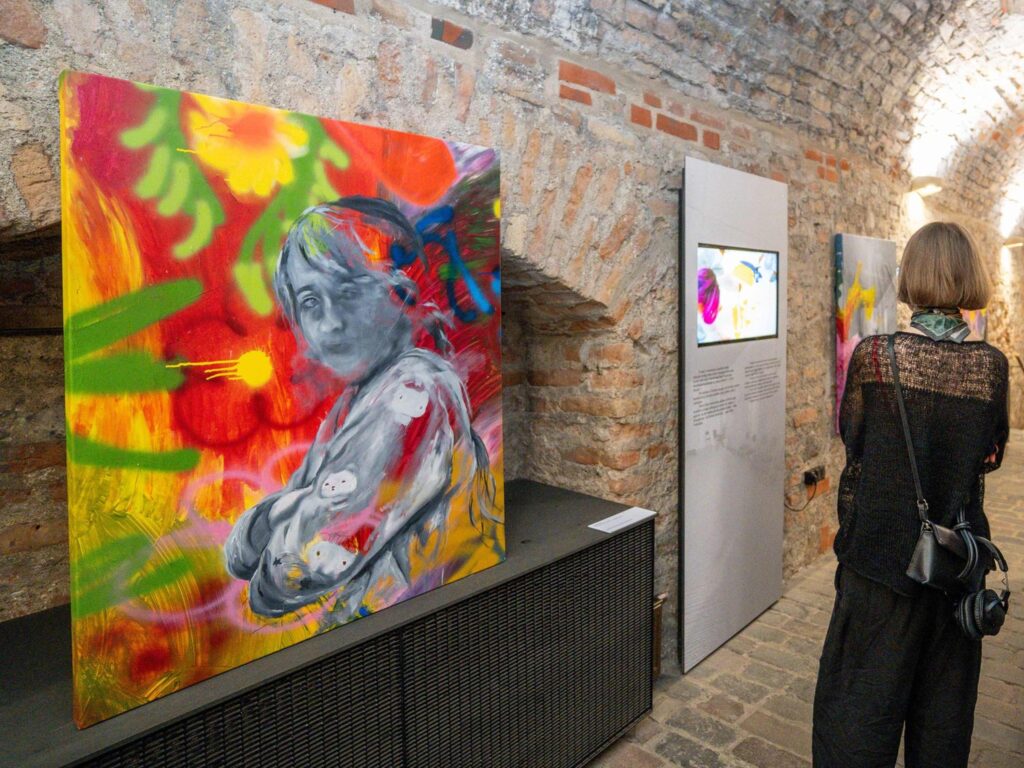
In the Hall of Creativity, you will learn how, being farther away from the great hearths of civilisation, Lithuania has been building bridges of creativity and innovation to the world since ancient times. Although not particularly exclusive, we were inventive: amber travelled to the farthest corners of Europe, baroque art was encouraged by the aesthetic ambitions of the nobility, and ANBO aeroplanes were in no way inferior to their counterparts in the big countries. What the world created or invented, Lithuania extended, supplemented, developed in its own way. Čiurlionis did not invent symbolism, but he intrigued Europe with his distinctive synthesis of music and art. Modernism, brought by energetic enthusiasts, redrew the urbanistic landscape of Kaunas with astonishing speed.
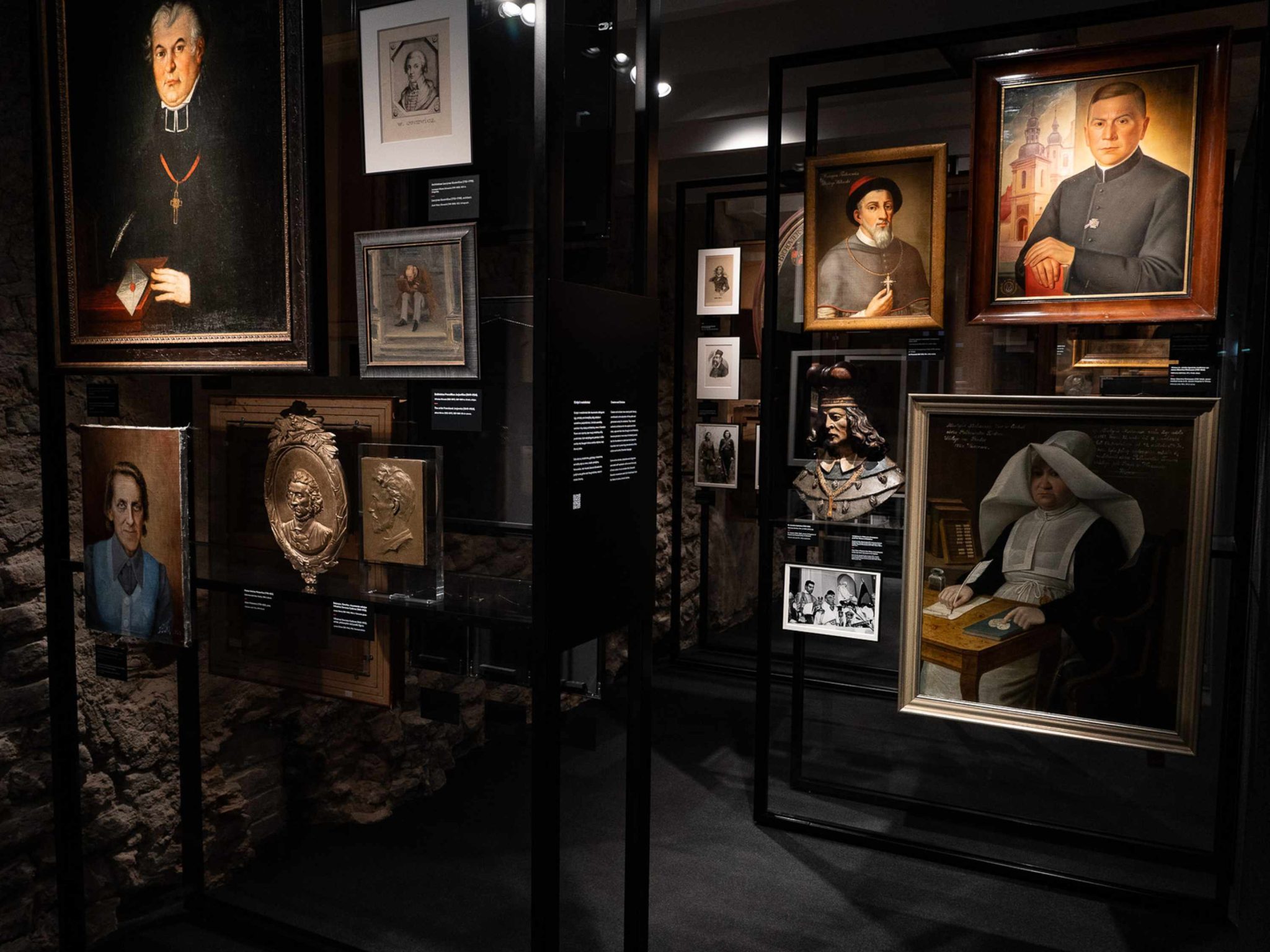
In the Hall of Beliefs, you will learn how faith developed in Lithuania. Animism was a universal phenomenon in prehistory, so in this aspect Lithuania was no different from other countries. However, Lithuania remained the last pagan state in Europe, a kind of island in the Christian world, and this isolation led to a certain stagnation of political and social development. Nevertheless, the pagan rulers were able to impose their rule on Orthodox Russia quite peacefully. While religious wars were raging in Europe, it was, perhaps, the traditions of tolerance and coexistence, developed at that time, that conditioned the issue of a law establishing the equality of all Christian denominations in the Grand Duchy of Lithuania at the end of the 16th century. Lithuania became a homeland for Jewish, Tatar and Karaite communities, and the heritage of Litvak Jews from Lithuania became part of world culture. A late adopter of Christianity, Lithuania eventually became a land inhabited by devout Christians, where the clergy, due to the complex political circumstances (in more recent times as well), played a crucial political and cultural role, and where faith was an important part of identity.
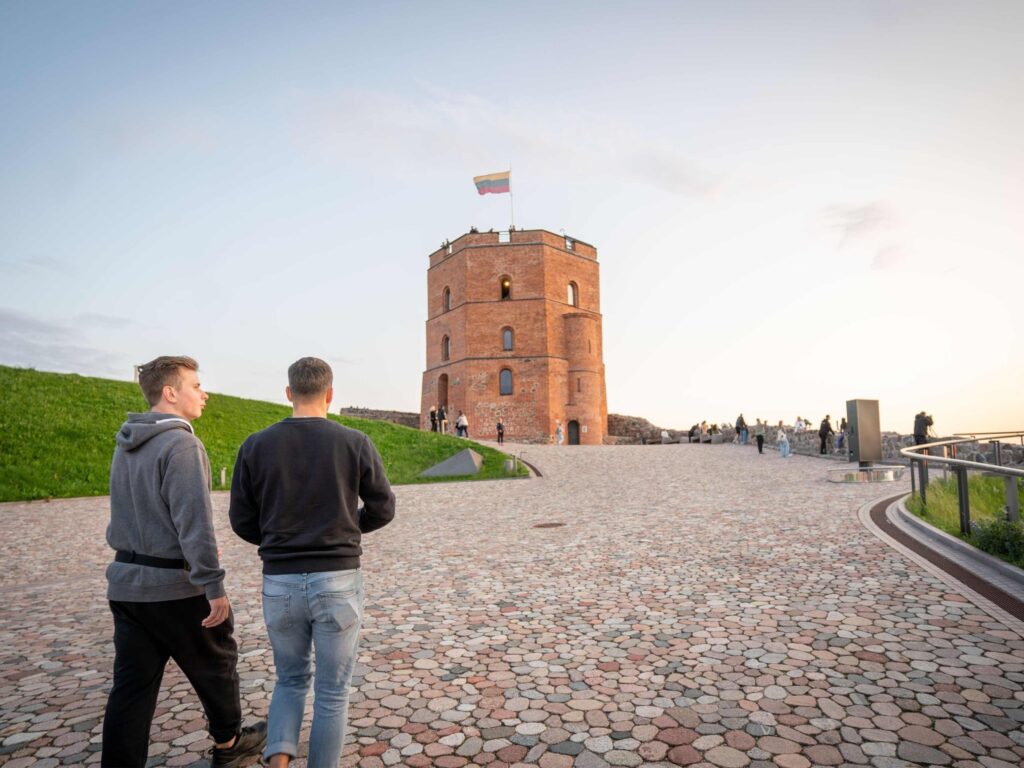
In the Hall of Battles, you will learn how the Balts assimilated new territories, competed with their neighbours, defended and protected those lands. The inhabitants of Lithuania reacted militantly to the Viking raids, the Crusades, the expansion of the Swedes and the Muscovites, organised expansionist raids themselves, expanding their own state, and, when they lost it, they became involved in the battles for independence that swept across Western, Southern and Middle Eastern Europe. Lithuania was not spared by the First and Second World Wars, the latter having left an incurable wound – the Holocaust. The struggle for territory and independence in its various forms continued in the post-war period. Lithuanian warfare experience shows that they attacked their neighbours less often yet defended and fought in their own land more often. Like other European countries, Lithuania was torn by internal conflicts, but confessional disagreements, especially during the Reformation, did not result in human casualties like the religious wars in the Holy Roman Empire, and the internal battles of the nobility in the early modern period could not compare to the medieval War of the Roses in England. In the 19th century, the conflict between the government and society was sparked by semi-secret organisations of students and masons, emulating Western Europe, and after the establishment of the state, a political upheaval was embarked.
In the Hall of Turning Points, you will learn how for Lithuania, which in all historical periods was distant from the centres of civilisation, turning points and reforms often took the form of a sudden breakthrough that overcame underdevelopment. The transition to sedentary agriculture was relatively slow in prehistory, but the adoption of Christianity and culture of writing in the Middle Ages, or the agricultural and industrial reforms of the 20th century, happened quickly. But in some cases, being “late” was advantageous and allowed to learn lessons better. For instance, the Polish-Lithuanian Commonwealth was Europe’s most sustainable political union, which established a unique “electoral society”, produced Europe’s first democratic constitution, and which is seen as a sort of predecessor to the pre-modern European Union.
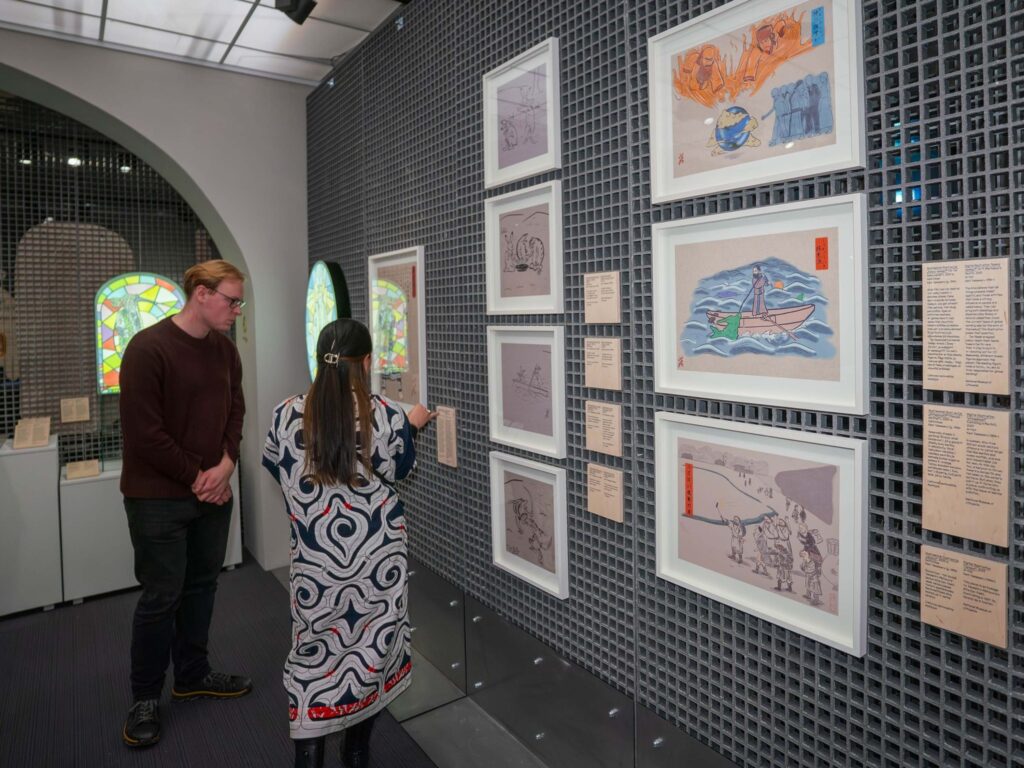
In the Hall of Global Connections, you will learn that Lithuania had long been seen as a land of sedentary farmers, stretching along the eastern coast of the Baltic Sea. However, we can also present Lithuania through the metaphor of a never-ending journey, we can see it as a constant movement – a country that is being travelled to or moved to, a land where ordinary migrants, famous travellers, pilgrims, and discoverers were born and from where they have spread out to the distant corners of the world. Moreover, Lithuania repeatedly became a connecting gate between different cultures, found itself at geopolitical crossroads, or was the first stepping stone for large foreign armies. In general, separate Lithuanian areals of people and cultures are found all over the world: from South Africa to the Laptev Sea, from Santiago in Chile to Chistye Prudy in Kaliningrad. Lithuania’s dynamic and dramatic journey through time and space was changing the country itself and the surrounding world.
In the Hall of Faces, you will see portraits of the most prominent personalities who contributed to the development of Lithuanian statehood. Here you will meet people who dedicated their lives to making Lithuania live and thrive. You will see the fighters for our freedom, who with their courage and determination contributed to the preservation of the Lithuanian state and the idea of freedom. You will meet the artists and scientists who created and promoted the country’s culture and enriched the world of science with their discoveries. You will see influential figures of the Church, through whose efforts the Gospel message reached and took firm root in the hearts of the compatriots. You will see images of great state leaders – from Vytautas the Great to the initiators of the Reform Movement of Lithuania. You will discover Lithuanian philanthropists whose support made it possible to bring about the visions of the future state.