Japan’s Ambassador to Lithuania: Now Is a Crucial Time to Strengthen Our Strategic Partnership
2026 01 30
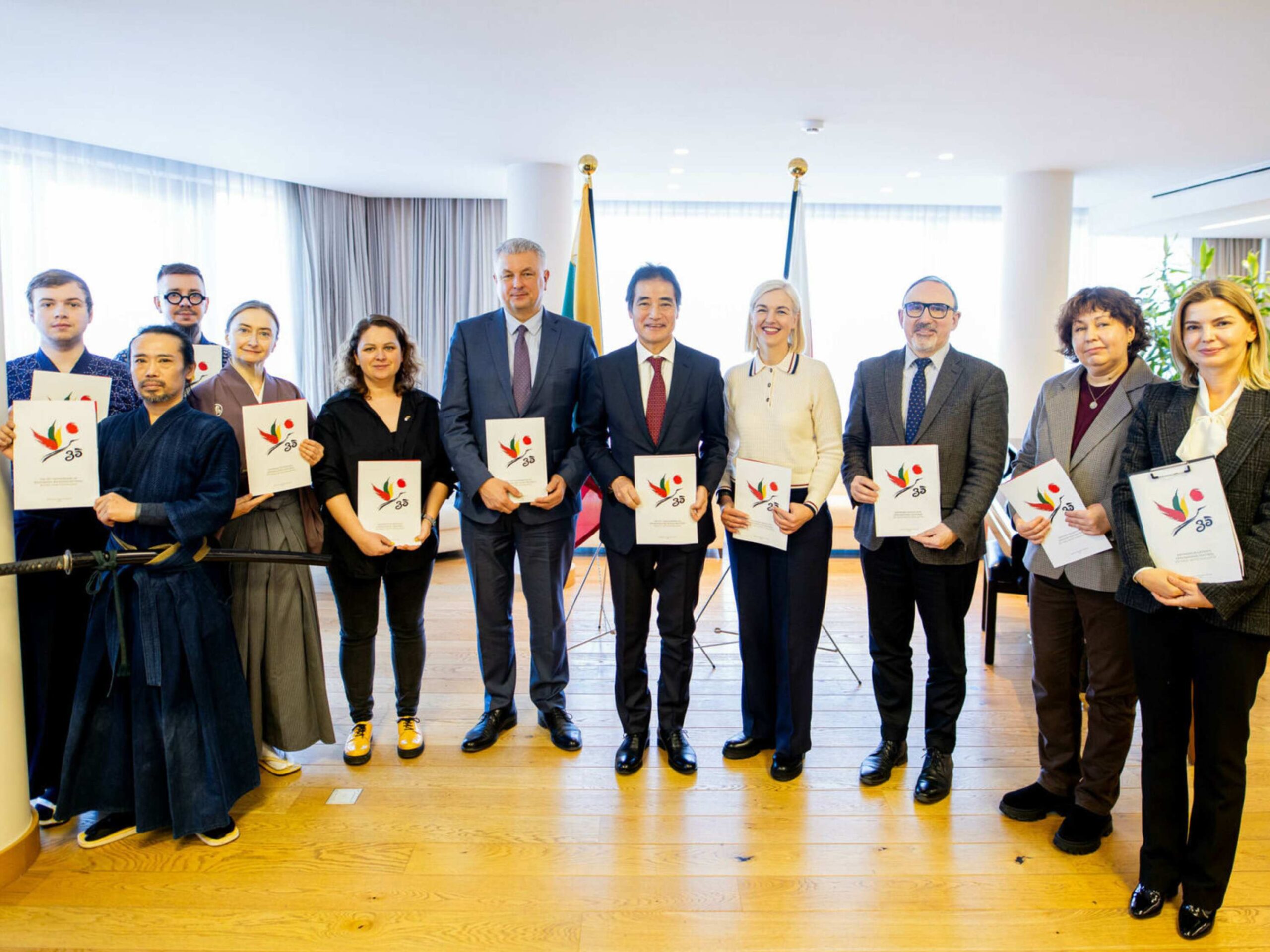
The year 2026 marks a significant milestone in relations between Japan and Lithuania. It is the 35th anniversary of the restoration of diplomatic ties between the two countries, as well as the 40th anniversary of the death of diplomat Chiune Sugihara. The closeness of the relationship is further underscored by the fact that in 2022 the two nations officially became strategic partners, committing to nurture and develop their connection. “Our strategic partnership must be continuously and consciously strengthened through concrete actions,” emphasized Japan’s ambassador to Lithuania, Shinsuke Shimizu, at a ceremonial event marking the anniversary.
Marking a Historic Milestone
As early as 1922, Japan officially recognized the restored Lithuanian state. Later, after Lithuania regained independence, Japan reestablished diplomatic relations with Lithuania, Latvia and Estonia in 1991. This year therefore commemorates the 35th anniversary of those restored ties, as well as the 40th anniversary of Sugihara’s death.
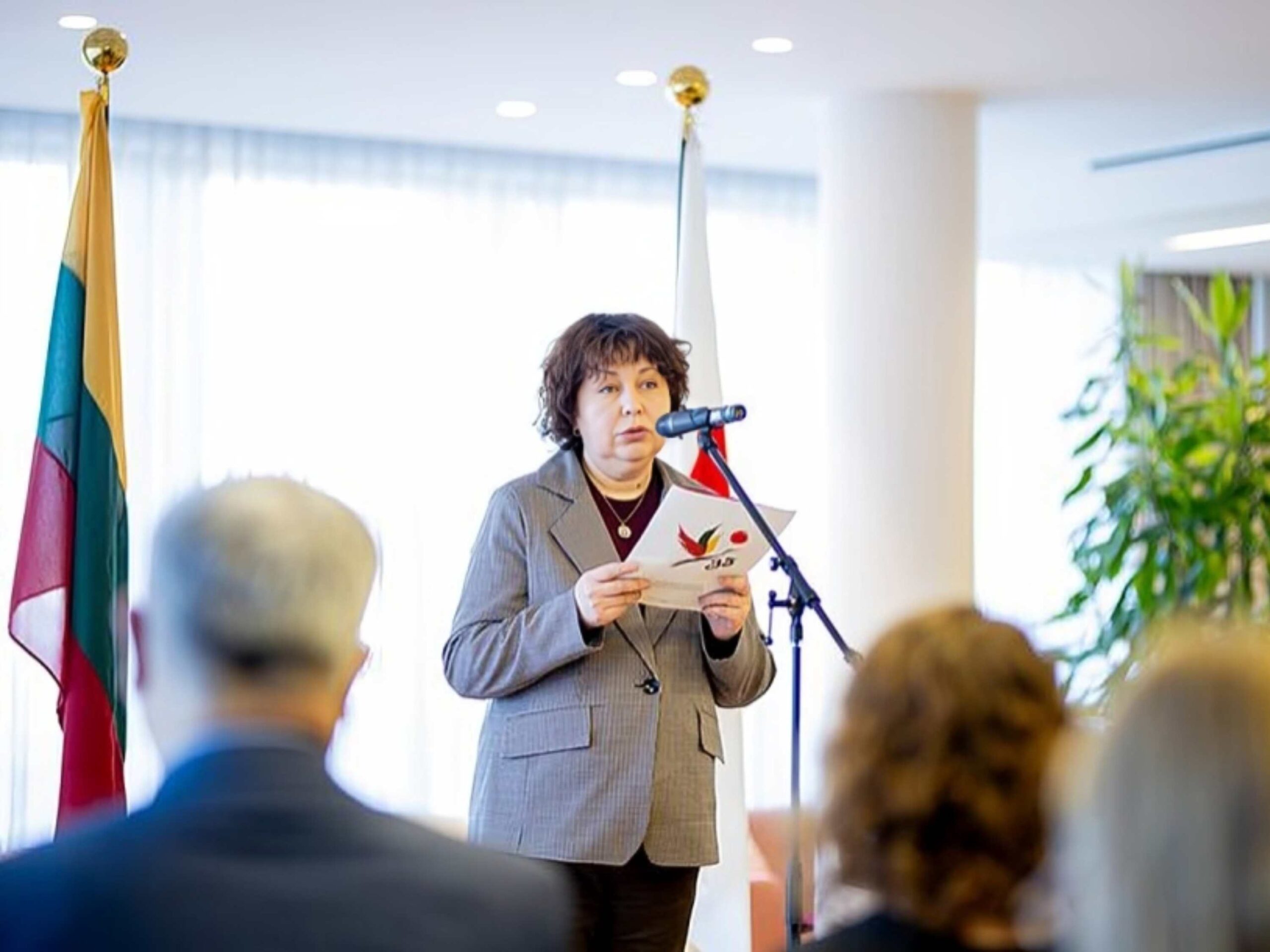
“On this significant occasion, it is worth reflecting on the path of our bilateral partnership and its future prospects. In today’s climate of geopolitical uncertainty, Lithuania and Japan face the same security and economic challenges. Developments in Europe and the Indo-Pacific region increasingly influence one another, making cooperation between partners especially important,” said Vice Minister of Foreign Affairs Vidmantas Verbickas.
Three Directions for Action
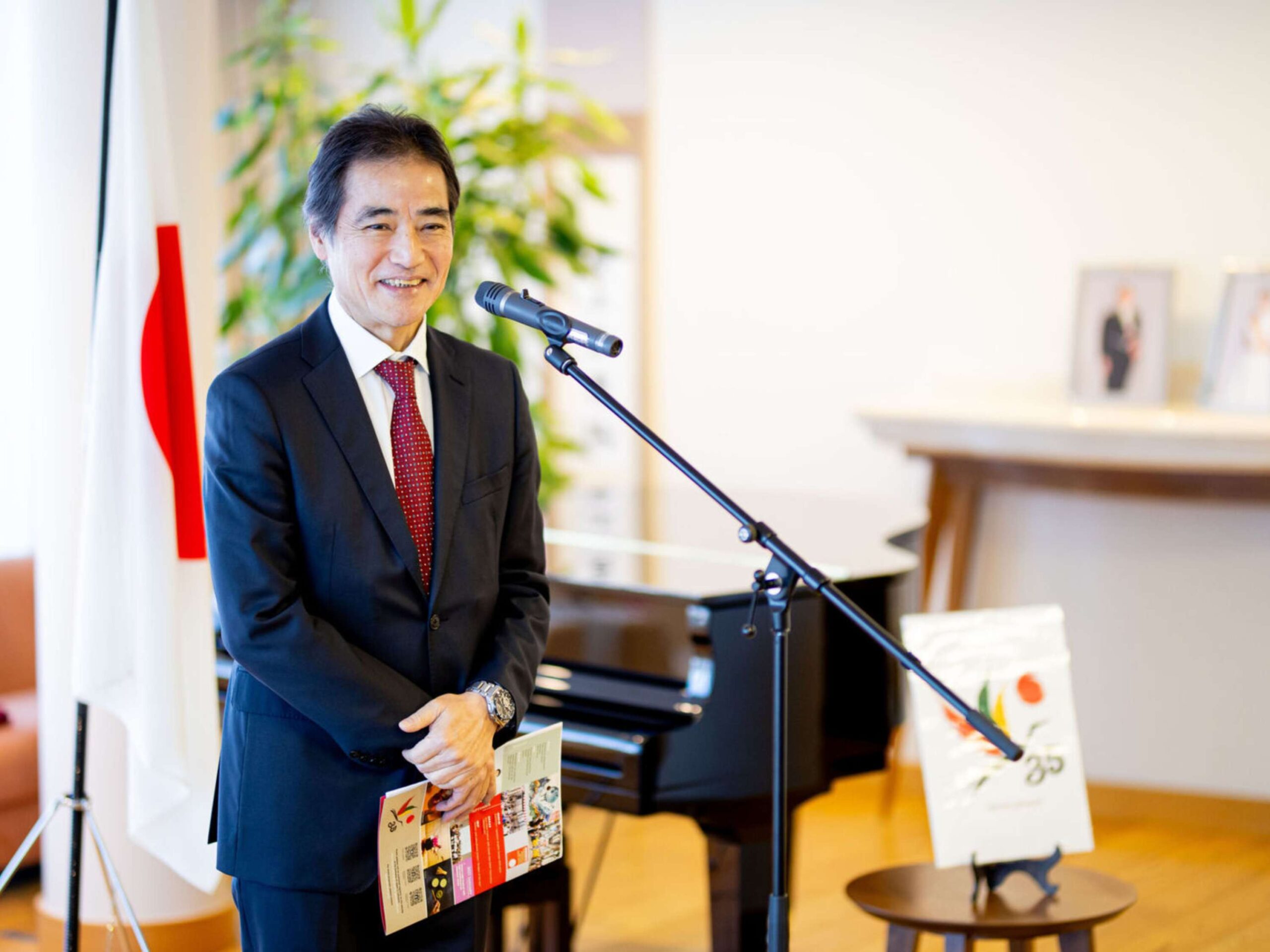
“This year, events marking the anniversary of diplomatic relations between Lithuania and Japan – and honoring Chiune Sugihara – will take place across Lithuania, not only in major cities such as Vilnius, Kaunas, Klaipėda and Šiauliai, but also in smaller towns like Kurkliai, Kretinga, Rokiškis, Pakruojis and Neringa. This has been made possible by the initiatives of many Lithuanian municipalities and cultural organizations, as well as the friendships that have developed between our countries. Through these commemorations, we aim to deepen mutual understanding and cooperation based on shared values and to strengthen our strategic partnership,” said Shimizu.
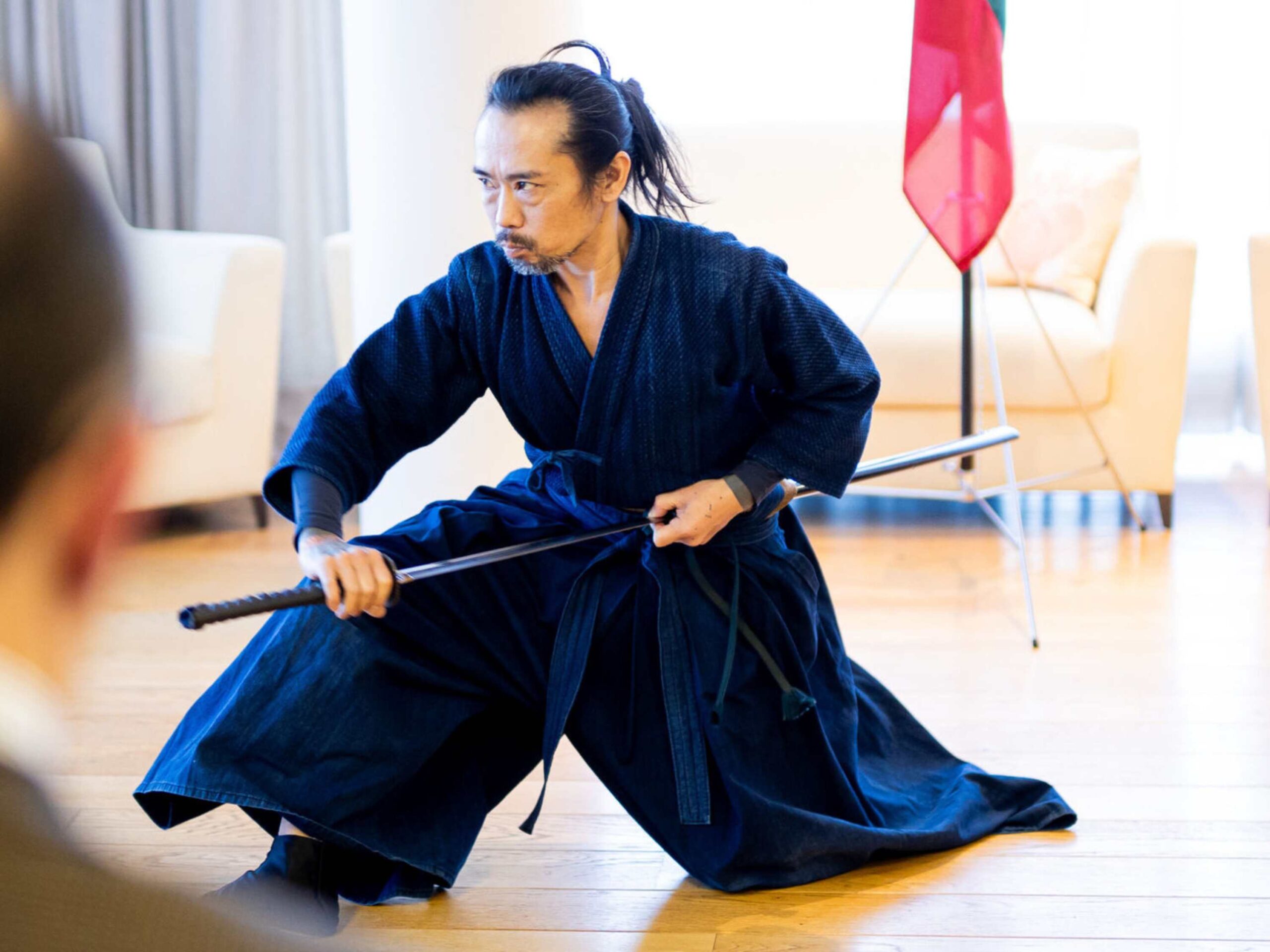
Concrete steps to strengthen the partnership have already been outlined in three key directions. The first is identifying and sharing shared historical memories. The second focuses on collaboration in organizing events and initiatives, such as Japan Days in Kaunas WA – a multi-day festival showcasing Japanese culture, where, for example, Kaunas schoolchildren will perform a flash mob based on Japanese dance – Japanese Food and Culture Day in Vilnius, where Japanese dishes are prepared using Lithuanian ingredients. The third direction involves presenting authentic Japanese art that resonates with Lithuanian culture.
“A sustainable partnership between Japan and Lithuania grows out of respect for tradition, openness to dialogue and a shared vision of the future – culture has always been one of the most important bridges in this relationship. Events held in Vilnius consistently bring together large audiences, while urban features such as the cherry blossom park and the Japanese garden become living cultural symbols. These are deeply meaningful forms of friendship that integrate into the fabric of the city and show that international cooperation can be felt in everyday life,” said Vilnius Vice Mayor Simona Bieliūnė.
Inviting a Dialogue Between Cultures
Major Lithuanian cultural institutions will also take part in commemorating the anniversary of diplomatic relations.
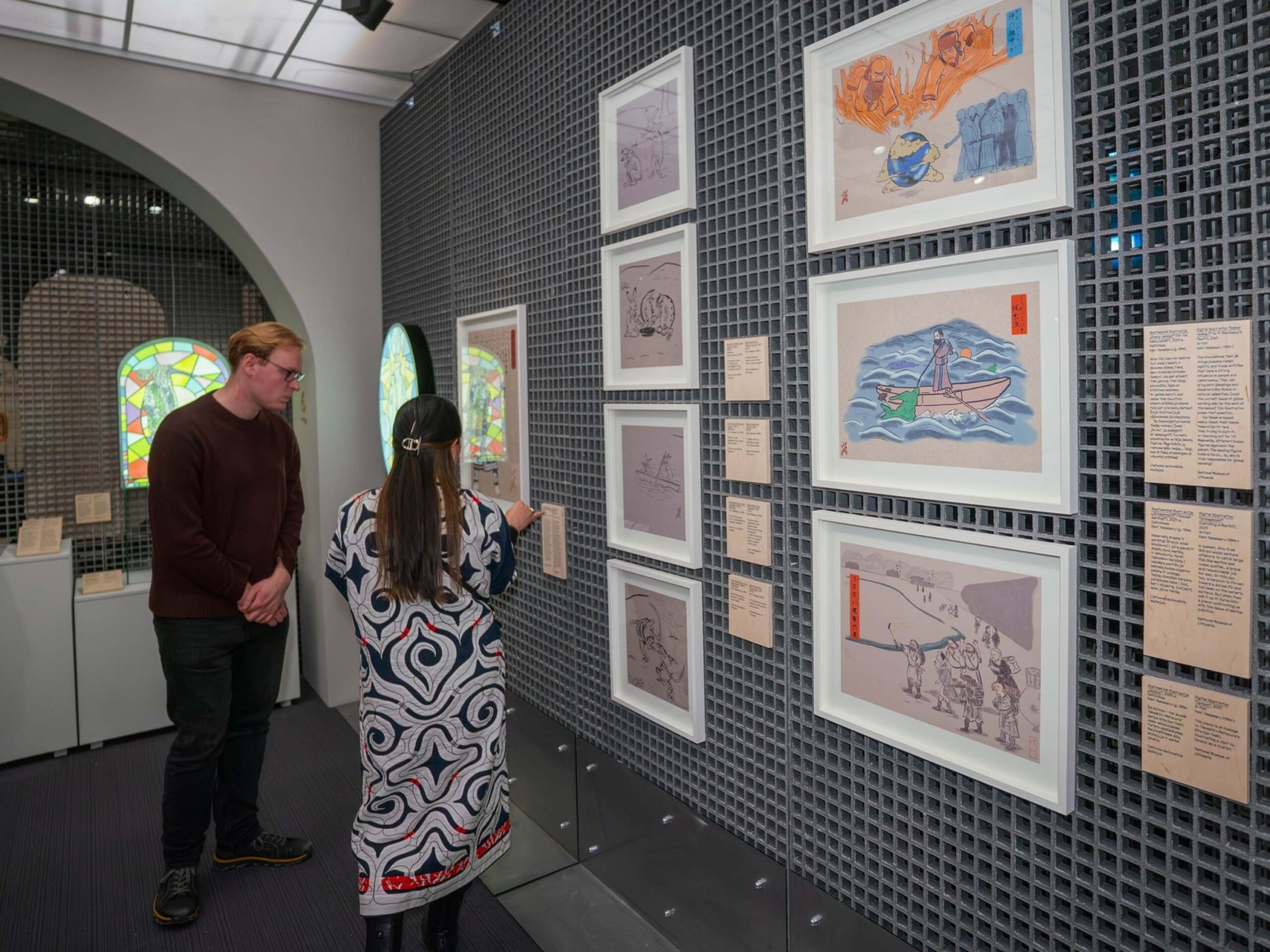
“The Lithuanian National Museum of Art regards Japan as an अत्यंत reliable, responsible and creatively inspiring partner. Our long-standing cooperation in organizing exhibitions and projects related to Japan is inseparable from the valuable contribution of the Japanese Embassy. Thanks to this partnership, we continuously present Lithuanian audiences with high-level, culturally rich exhibitions that attract great interest, expand intercultural dialogue and strengthen ties between our countries,” said Dr. Arūnas Gelūnas, Director General of the Lithuanian National Museum of Art.
“Cooperation between museums is a quiet but very strong bridge of diplomacy. It is built slowly, responsibly and for the long term—through joint exhibitions and exchanges of experience in museology, restoration and curatorship. By getting to know each other’s history, we find human points of connection that allow us to foster a sense of togetherness despite geographical distance. I am convinced that the partnership between the Lithuanian National Museum and Japanese institutions will become an important part of cultural dialogue between Lithuania and Japan in the coming decades,” said Milda Gembickienė, Deputy Director General for Museum Activities at the Lithuanian National Museum.
A special role this year will also fall to the Sugihara House, which has been nominated as one of the best tourism sites promoting Lithuania abroad.
“We want the younger generation to see Sugihara’s story not as a dry fact in a textbook, but as a personal choice: What would I do in his place? How would I act today? This would not be possible without the financial and moral support of patrons and partners. We have always felt the solidarity of the Japanese Embassy and the people of Japan. Since this private museum’s mission and survival have always depended on the engagement and care of civil society – both in Lithuania and Japan – its future remains our shared responsibility and mission. May the example of Chiune Sugihara continue to unite and inspire us, reminding us that the true essence of diplomacy is humanity,” said Jurgita Garbaravičienė, director of the Sugihara House.
Photos: Japanese Embassy in Lithuania