Histories of the Paprūsė Towns: Širvinta, the “Boot War”, and a Bridge to Nowhere
2025 06 03
The year 2025 marks two notable occasions: Kudirkos Naumiestis has been named a Little Capital of Culture, and the entire country is commemorating the Year of Paprūsė. For centuries, this region stood at the crossroads of trade, culture, and influences along the border. The National Museum of Lithuania invites you to discover how borderland towns have helped shape our national identity through the ages. One such town is Širvinta, located in what is now Russia’s Kaliningrad Oblast. The memory of this place has nearly vanished from the collective consciousness—deliberately erased through the establishment of a military training ground, which still occasionally reminds us of its presence with explosive echoes. Yet Širvinta was once a vibrant center of borderland culture.
Aurimas Kanapkis, educator at the Vincas Kudirka Museum, shares the most fascinating episodes from the town’s history. Every summer Sunday, the museum also offers guided tours of Kudirkos Naumiestis titled “The Little Capital with Great Stories.”
-

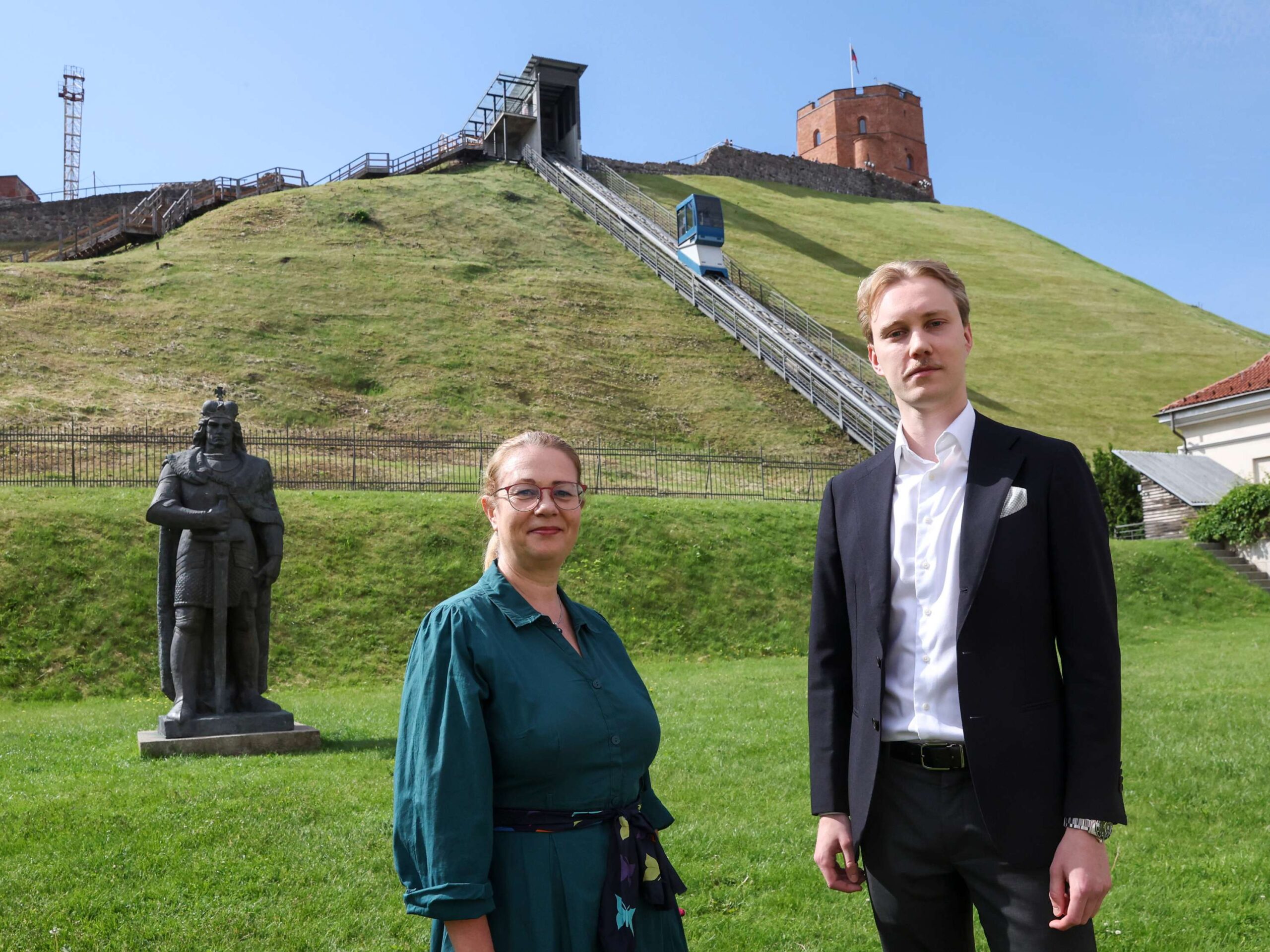
- Aurimas Kanapkis, educator at the Vincas Kudirka Museum. Photo by F. Grigutis, National Museum of Lithuania

The Historical Significance of Širvinta
Tell us about the town of Širvinta—where was it located, what was it known for, and what connections did it share with Kudirkos Naumiestis?
For around 300 years, the town of Širvinta stood near Naumiestis. It was a border town that belonged first to Prussia, and later to Germany. One of its most distinctive features was being the easternmost town of Germany—a fact proudly represented by a rising sun on its coat of arms.
The two towns were divided by the Širvinta River but closely connected through trade and cultural ties. While Naumiestis was slightly larger, Širvinta—being on the Prussian, later German, side—enjoyed better economic conditions and greater opportunities for its residents. This contrast between the towns was palpable even as they jointly shaped a shared borderland cultural space.
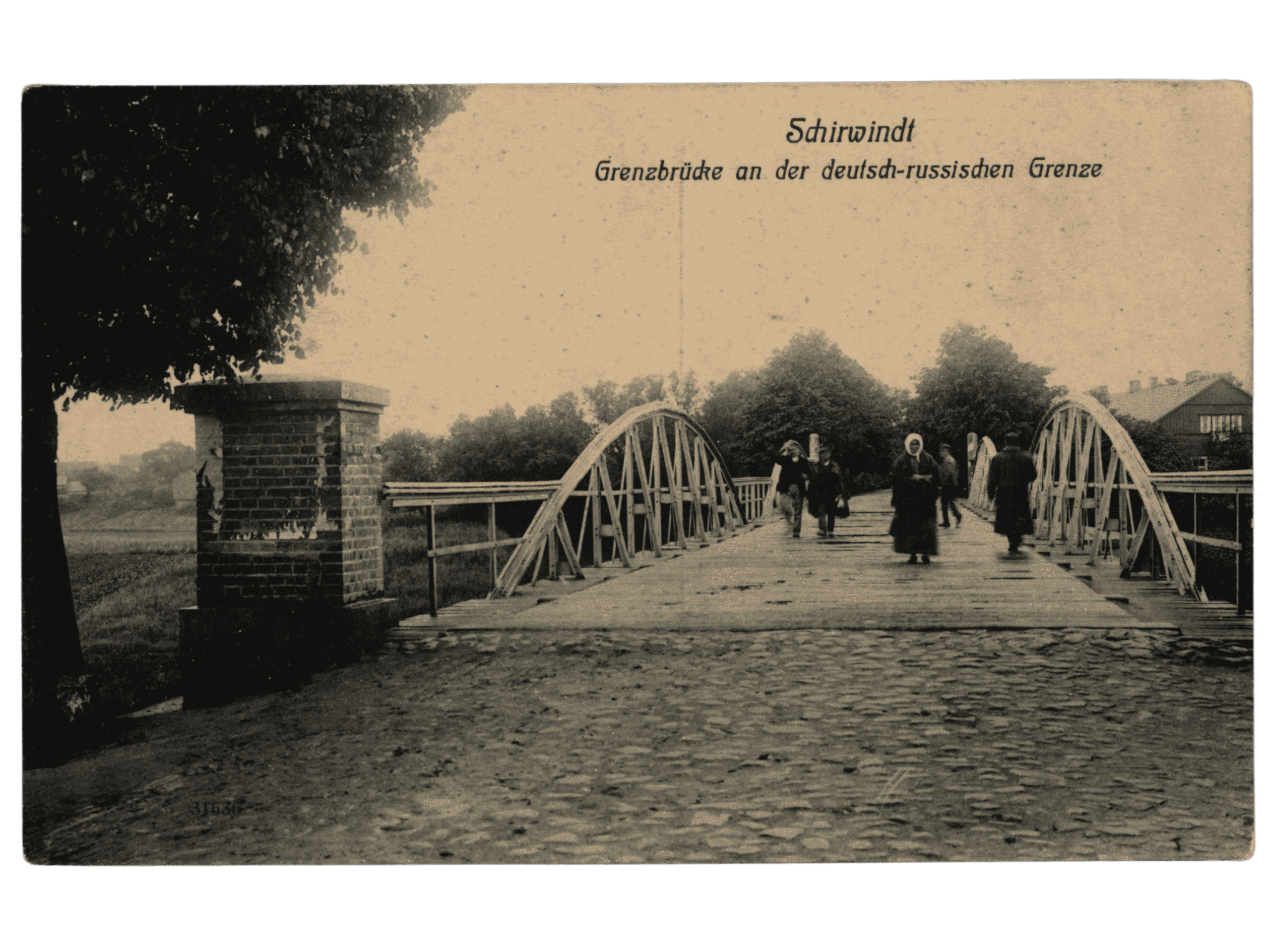
In 1883, a bridge was built over the Širvinta River. Why was this significant, and why does it lead nowhere today?
Indeed, this was a major event. Until then, residents of Širvinta and Naumiestis crossed the river using a ferry or by fording it. The bridge greatly improved accessibility, intensifying trade, communication, and even family ties between the two towns. Customs checkpoints were established, further highlighting their economic potential. In many ways, the bridge physically and symbolically brought the two communities closer together.
What was once a vital link is now a symbolic relic of a lost connection. The bridge, now abandoned, leads to nowhere—its other end lies in what is today a foreign and hostile state. Perhaps that is why, for many visitors, a stop at the bridge becomes the most memorable part of the tour.
-
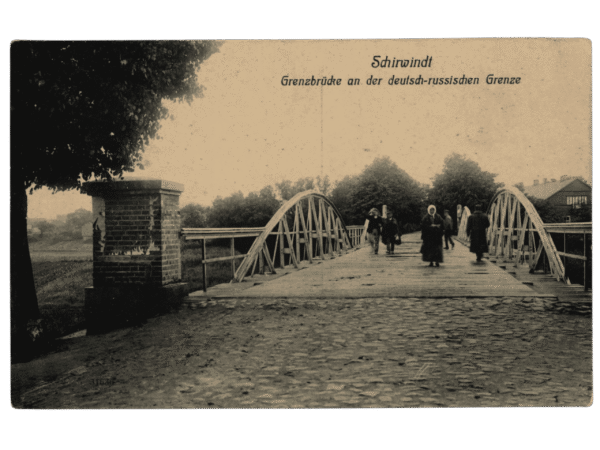
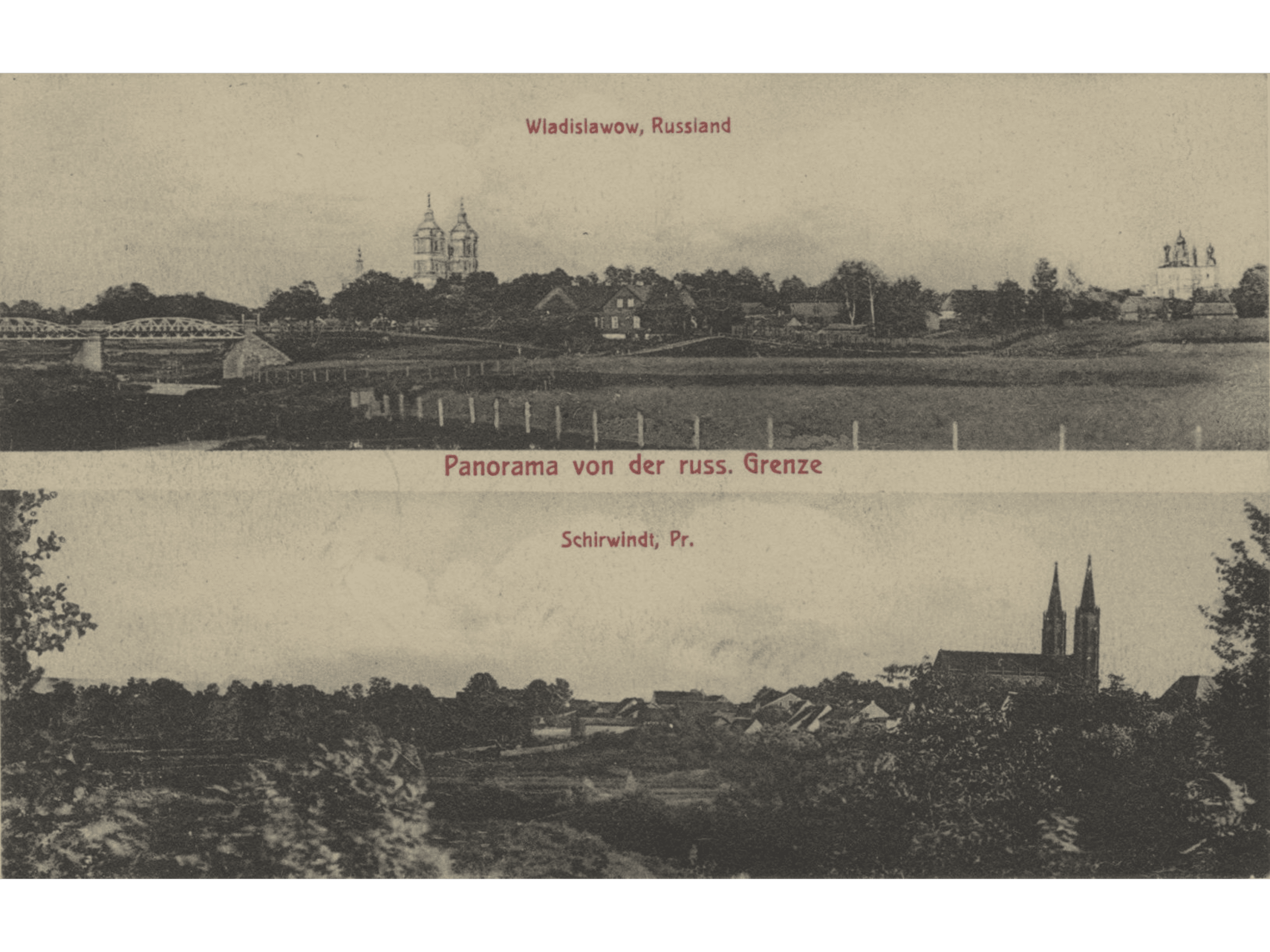
- Širvinta Bridge connecting the town of Širvinta with Vladislavov. Early 20th century. Postcard. Publisher: Reinicke & Rubin, Magdeburg
Širvinta During the Press Ban .Why did Širvinta become an important place during the press ban period?
Širvinta’s location made it strategically valuable during the Lithuanian press ban. As a border town within German territory, it was not subject to the censorship of Tsarist Russia. Lithuanian national revival activists living in Naumiestis used the post office in Širvinta to receive letters and publications. They would then bring them back to Naumiestis, either personally or with the help of others. In this way, Širvinta became a kind of “window to freedom” for Lithuanian culture—an essential stop for book smugglers and press distributors fighting to preserve the Lithuanian language.
Curious Tales from Širvinta
Could you tell us more about the so-called “Boot War”? What exactly happened?
One of Širvinta’s most colorful episodes is the so-called “Boot War.” In the late 18th century, the town found itself in a land dispute with the nearby Dvariškiai Manor over pasture rights. While the Prussian nobleman von Plehwe was away on military duty, local peasants sold part of the manor’s pastureland to the town of Širvinta—for a few tons of beer and a bucket of vodka, according to reports. When von Plehwe returned, he disputed the town’s claim and drove their livestock off the land. The townspeople of Širvinta, led by Mayor Verner and treasurer Heinz, decided to take it back by force. On Midsummer Day, dressed as if for a dance, they marched out in polished leather boots and drove a herd of animals ahead of them to assert their claim.
How did this turn into an actual “battle” between the townspeople and the manor?
The Dvariškiai peasants, having rallied support from neighboring villages, cleverly ambushed the Širvinta townspeople. The mayor was injured, and the townsmen retreated—leaving behind both the disputed pasture and their fine boots.
Why is this story significant in a broader context?
The “Boot War” is more than just an amusing local anecdote. It illustrates how passionately communities defended their rights and interests—even when their actions might seem comical in hindsight. This “battle for polished boots and fine pipes” remains a playful tale, yet it testifies to the determination and resilience of local people to protect what was theirs, no matter how small the cause may appear.
The Prussian King’s Visit and St. Emmanuel’s Church
Is it true that a Prussian king once visited Širvinta? When and why?
Yes, this was likely the most important event in the town’s history. On June 7–8, 1845, King Friedrich Wilhelm IV of Prussia visited Širvinta and even walked across the river to Naumiestis. There, impressed by the grandeur of the baroque Catholic church, he pledged to build an equally majestic house of worship for Protestants in Širvinta. He kept his promise—in 1850, construction began on St. Emmanuel’s Church, which became a source of pride for the town. It was consecrated in 1856 in a ceremony attended by the king, local clergy, and even guests from Naumiestis.
Are there signs that this church was also important to the Lithuanian community?
During the consecration, the Lord’s Prayer was recited in German, and then repeated in Lithuanian by Superintendent Krause of Pilkallen. This was a symbolic act, showing that the Lithuanian language was respected and held a place in the town’s religious and cultural life. It suggests that both Lithuanians and Germans in Širvinta shared a spiritual space that allowed for the preservation of Lithuanian identity. Of course, this balance shifted later during the time of Otto von Bismarck, when Germanization policies became more aggressive.
-
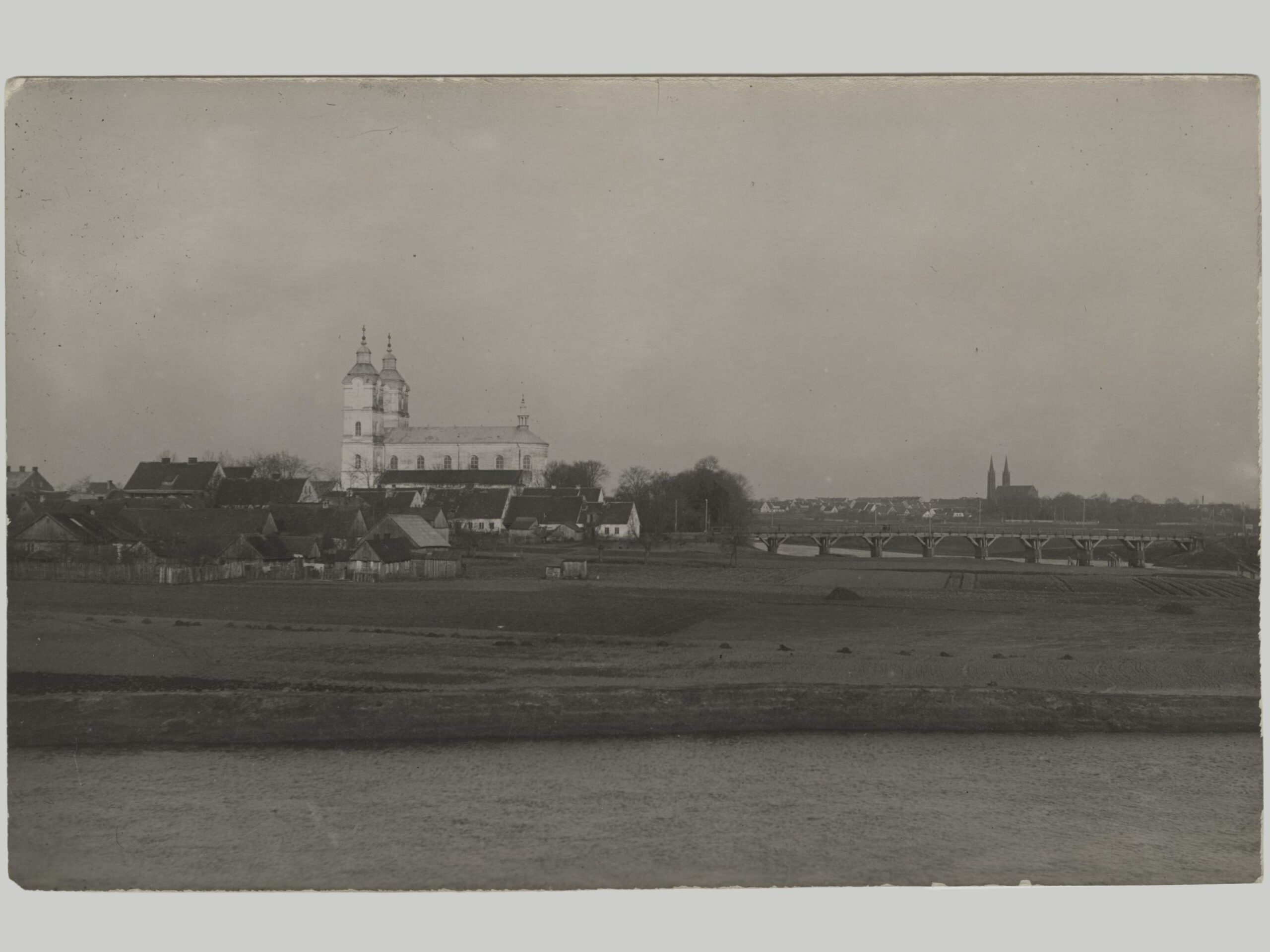
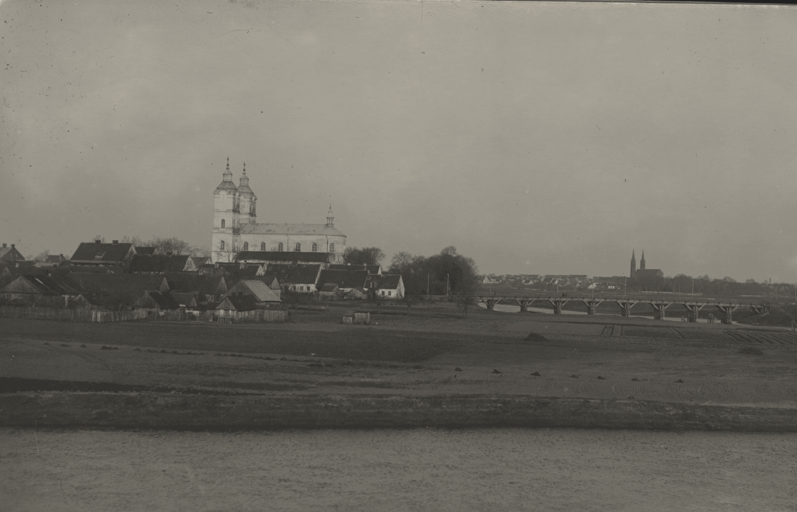
- Panorama of Naumiestis and Širvinta from the right bank of the Šešupė River. Circa 1925
-
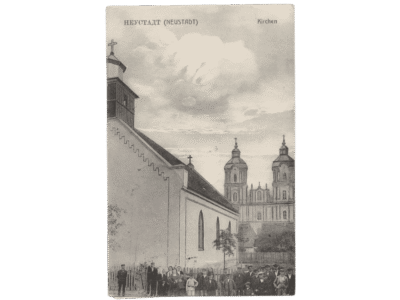
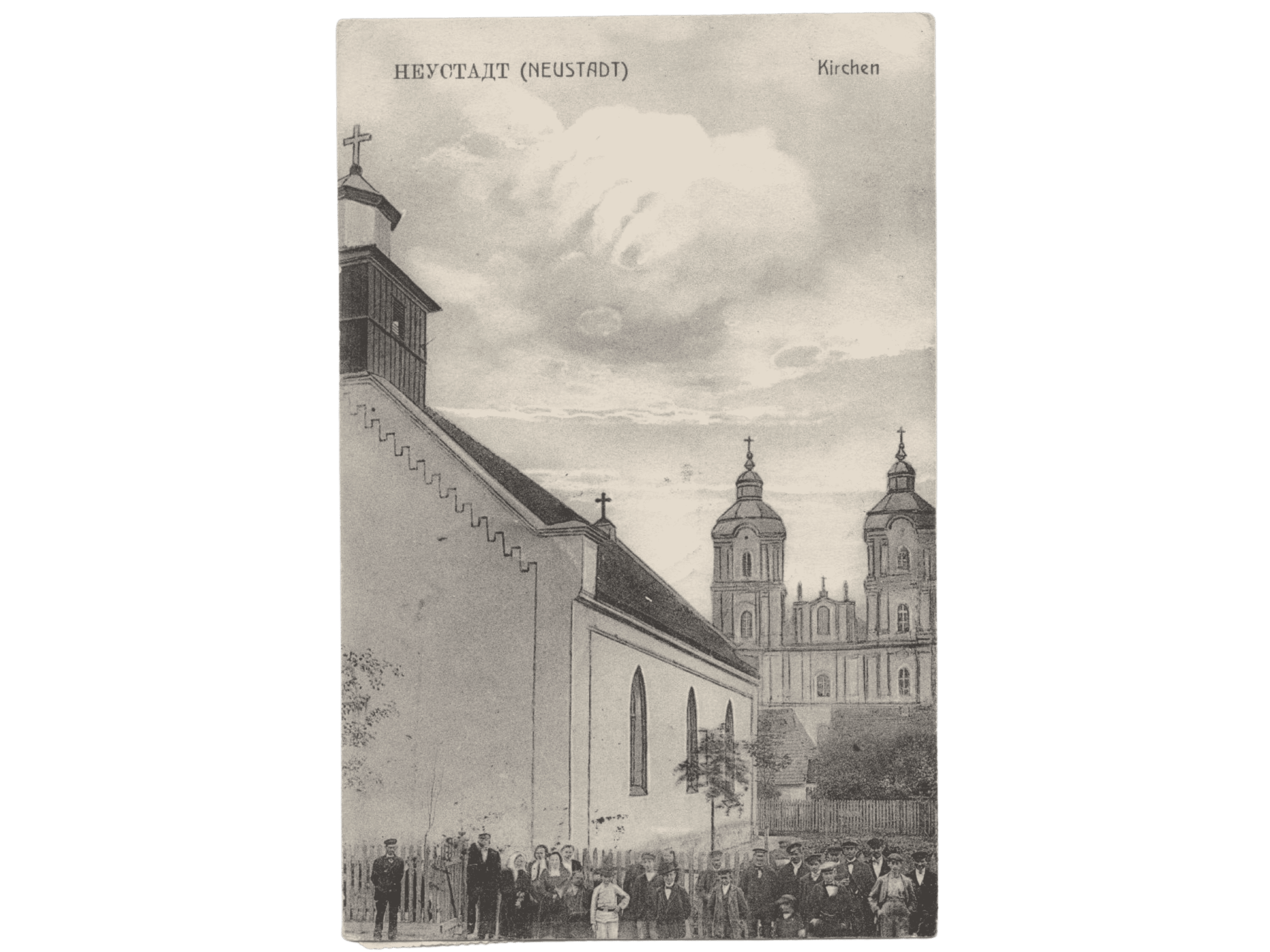
- Evangelical Lutheran and Catholic churches. Circa 1912. Postcard. Publisher unknown