Why Do We Need Museums Today? Mission, Challenges, and the Future
2025 05 14
Over the past few decades, museums in Lithuania have undergone significant transformations. From being repositories of historical memory, they have evolved into vibrant, publicly accessible spaces that respond to current challenges and societal issues.
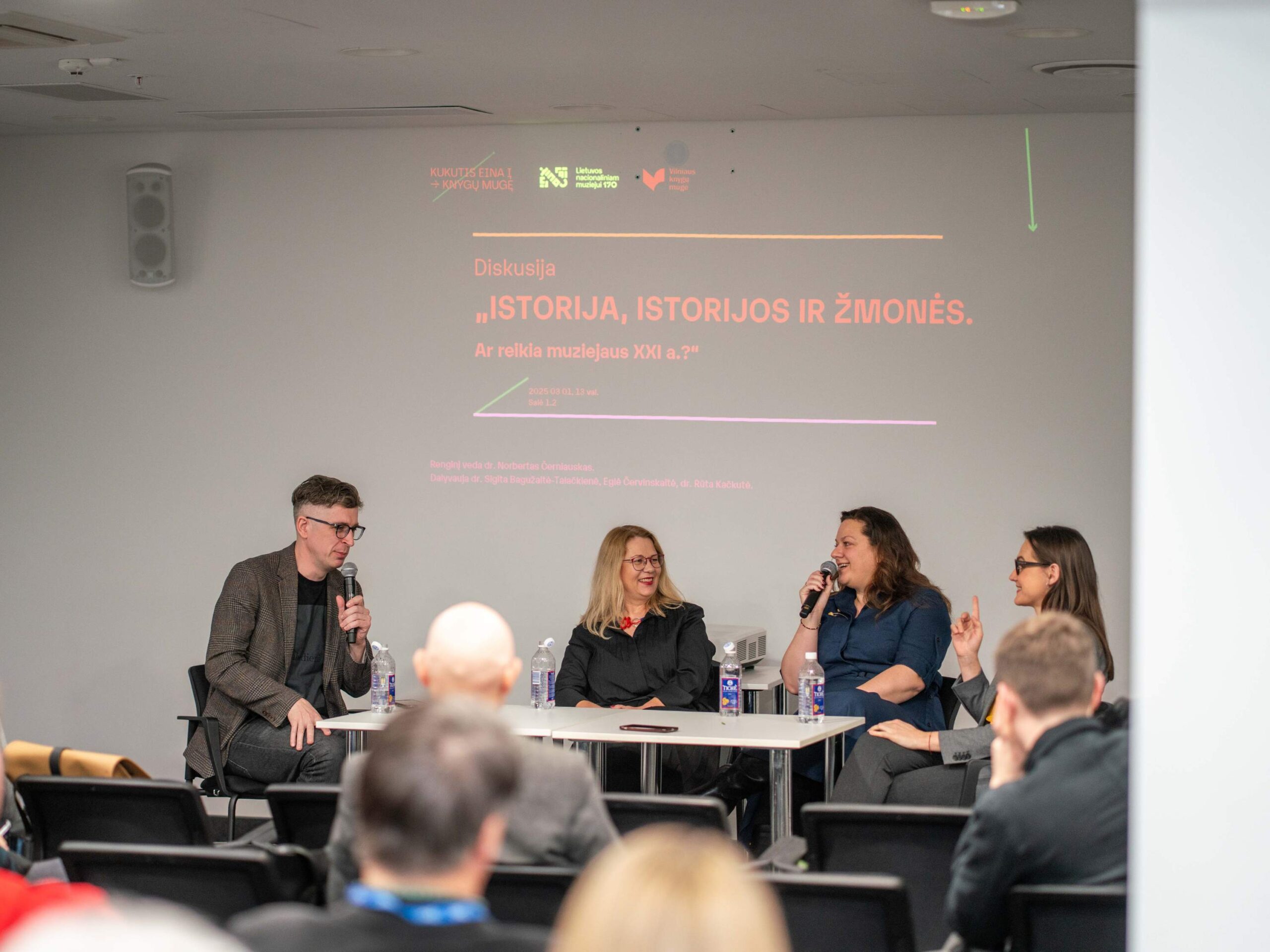
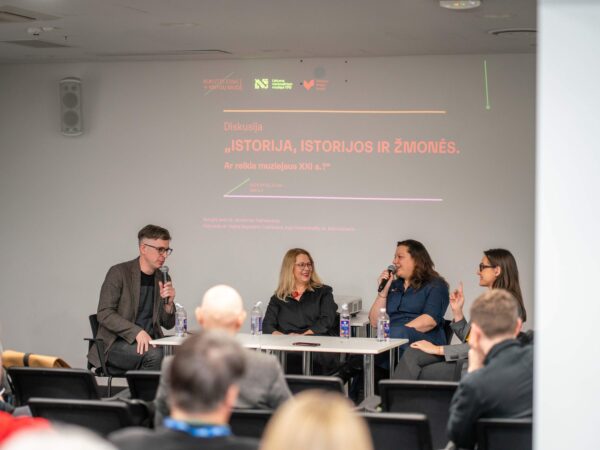
To reflect on the mission and future of the modern museum, the Lithuanian National Museum (LNM) organized a discussion featuring Dr. Rūta Kačkutė, Director General of the LNM, dr. Sigita Bagužaitė-Talačkienė, chair of ICOM Lithuania and Head of the Palanga Amber Museum (a branch of the Lithuanian National Museum of Art) Eglė Červinskaitė, director of the Tauragė Regional Museum “Santaka”.The discussion was moderated by historian Dr. Norbertas Černiauskas.
From Imperial Roots to Democratic Values
The origins of modern museums trace back to the 18th–19th centuries, when they were established by empires to showcase their power and accumulated colonial wealth. Another direction of museum development stemmed from Enlightenment ideals, as societies turned toward scientific inquiry and knowledge. Later, in the age of nationalism, museums reflected the search for national identity and emphasized narratives of cultural roots and heritage.
Today, museums are shifting away from representing imperial, romantic, or nationalist ideals.
“Whom do museums represent now? Do they themselves question their relevance?” asked moderator N. Černiauskas.
Museums as Anchors for Contemporary Life
Dr. R. Kačkutė emphasized that museums today must continually rethink their relevance. According to her, the museum is no longer just a place for storing artifacts—it is a space that helps individuals navigate the complexities of the modern world.
Museums explore the past in order to meet the needs of today’s society, encouraging reflection and fostering diverse, multi-voiced dialogue.
-
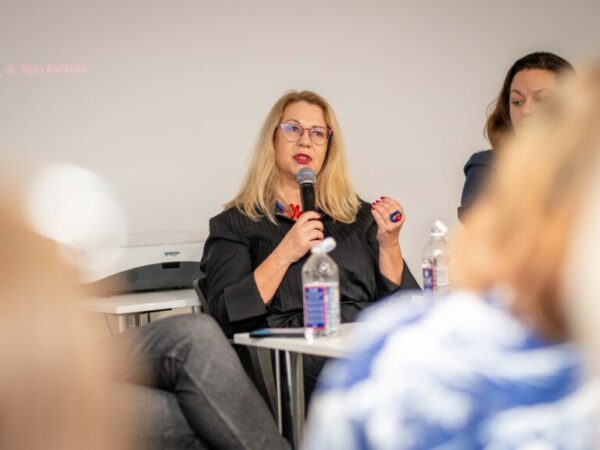
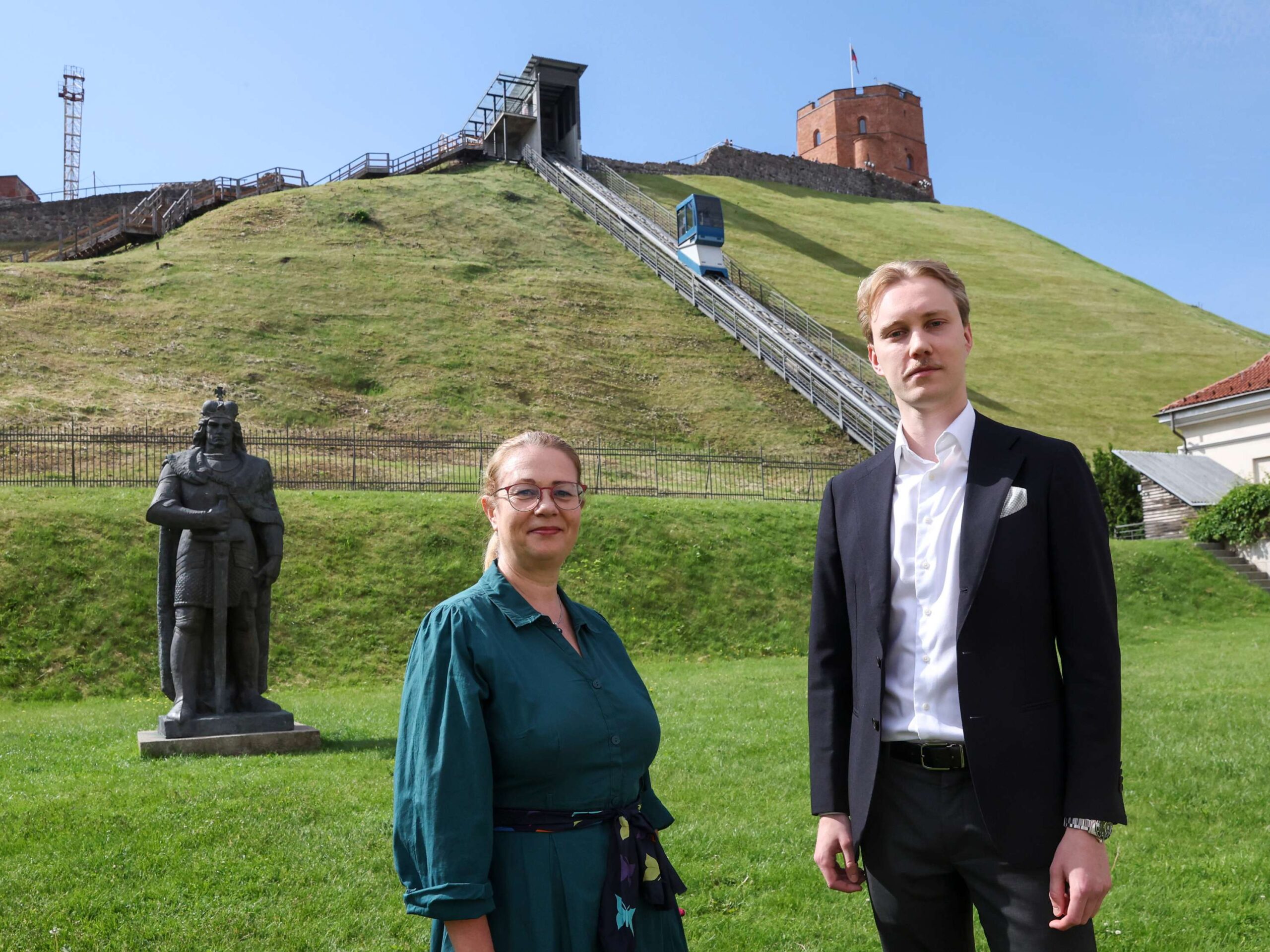
- Director of the National Museum of Lithuania, Rūta Kačkutė. Photo by Silvestras Samsonas, LNM
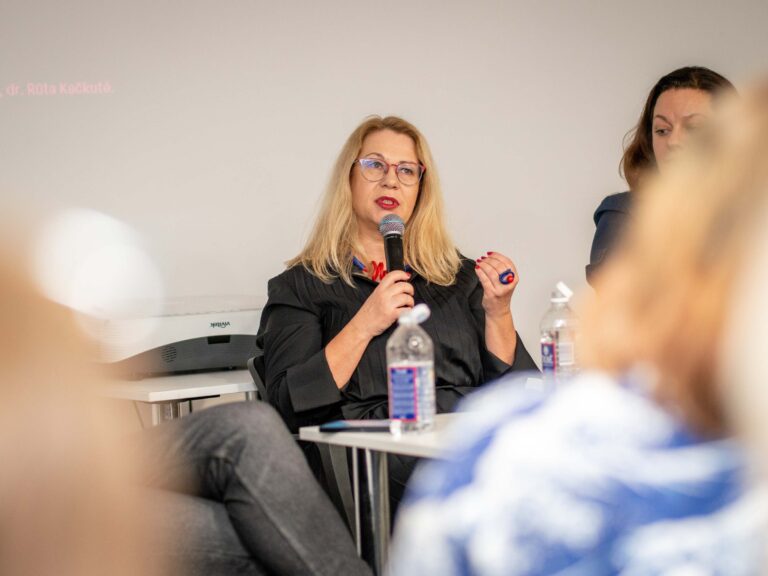
According to Dr. Rūta Kačkutė, the modern museum responds to current events, listens to the needs of its visitors, promotes inclusivity, and collaborates with communities to create narratives that resonate with them.
“We must not only collect, but also help society reflect, deconstruct stereotypical narratives, and defend history from distortion,” – stated Dr. Kačkutė.
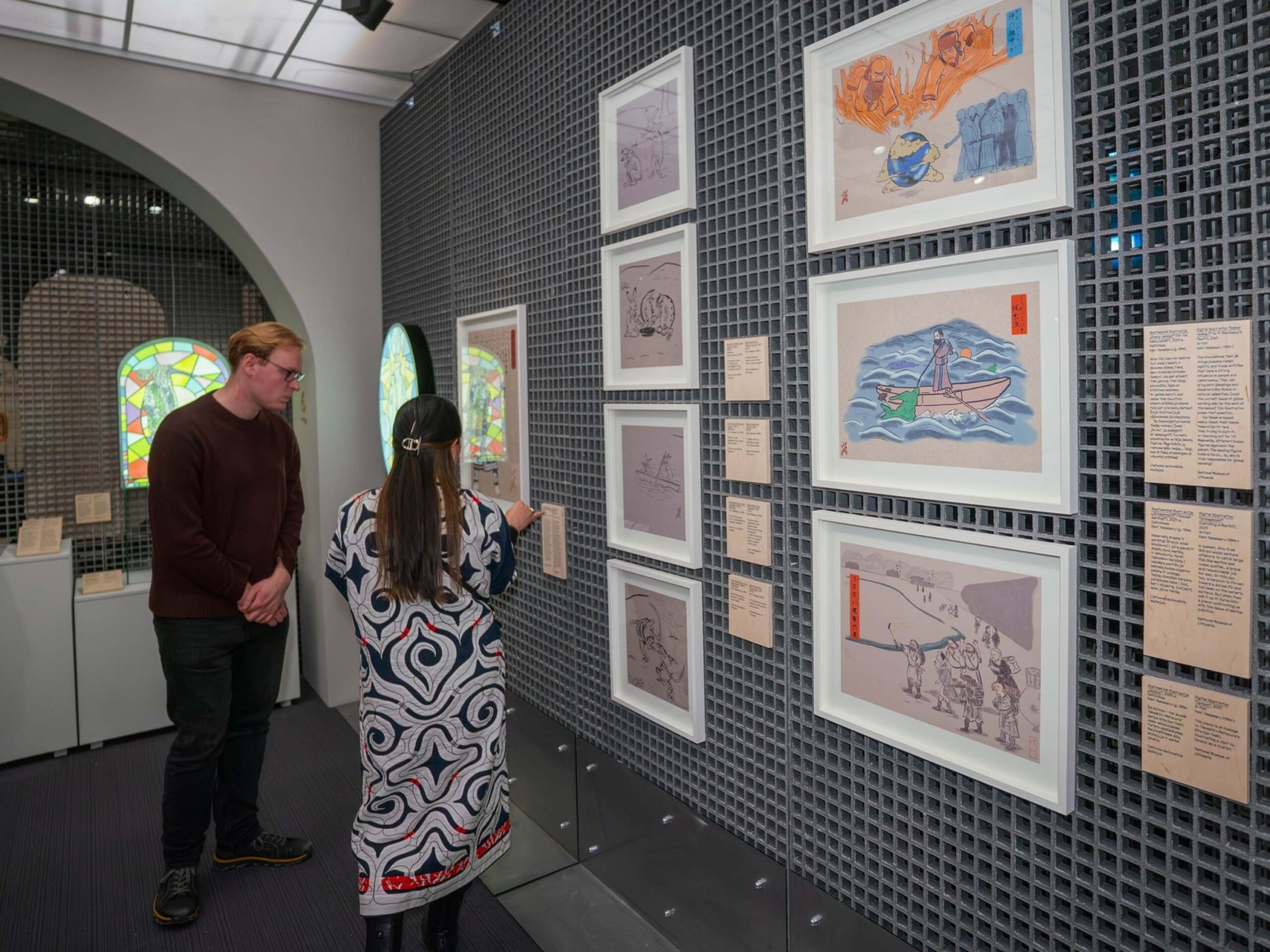
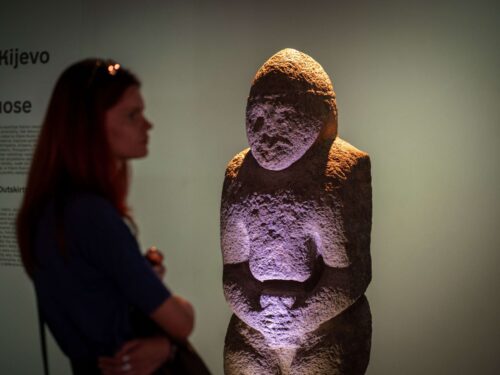
As an example, she cited the international exhibition “Kyivan Rus. The Beginning,” held at the House of Histories of the Lithuanian National Museum. The exhibition aimed to highlight the roots of the Ukrainian state and counter the propaganda narratives promoted by Russia.
Truth as an Ethical Obligation
Dr. Sigita Bagužaitė-Talačkienė emphasized museums’ ethical responsibility to uphold the truth—a principle enshrined in the International Council of Museums (ICOM) Code of Ethics. A museum should be more than a memory institution; it must serve as an active partner to its community.
The new museum definition, approved by ICOM in 2022, promotes inclusivity, communication, and social openness. Museums today must be accessible to all, represent a diverse range of social groups, and resist political pressure to distort historical narratives.
She also noted recent cases in Poland, where politicians attempted to influence museum narratives, and even more dramatic examples from Russia’s war against Ukraine, including the looting of museums and efforts to rewrite the origins of cultural artifacts in favor of Russia.
Museums not only preserve the past—they document the present.
“We collect not only old, but also contemporary objects, recording important phenomena of today—support for Ukraine, and testimonies from the pandemic,” said Dr. Rūta Kačkutė.
Challenges and Hopes for Regional Museums
Eglė Červinskaitė highlighted the importance of regional museums, whose collections are still in the making. During the Soviet era, many significant artifacts were centralized into national and state museums, creating gaps in regional historical memory.
The director of the “Santaka” Museum shared that upon returning to work in her hometown of Tauragė, she encountered a community with limited historical awareness. In this context, the museum can become a space for rebuilding and re-mapping local historical identity.
-
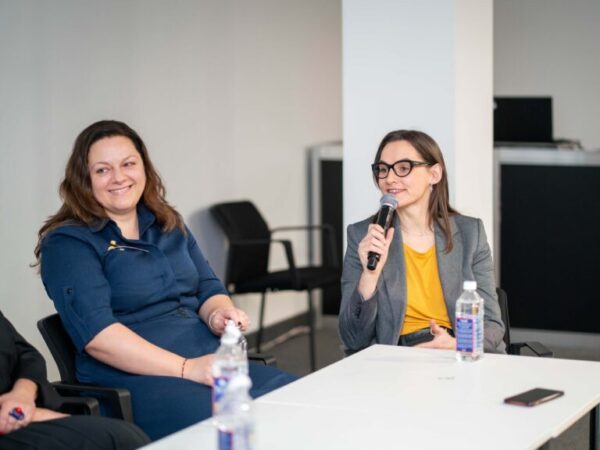
- Dr. Sigita Bagužaitė-Talačkienė, Head of the Palanga Amber Museum (a branch of the Lithuanian National Museum of Art), and Eglė Červinskaitė, Director of the Tauragė Regional Museum “Santaka.” Photo by Silvestras Samsonas, LNM
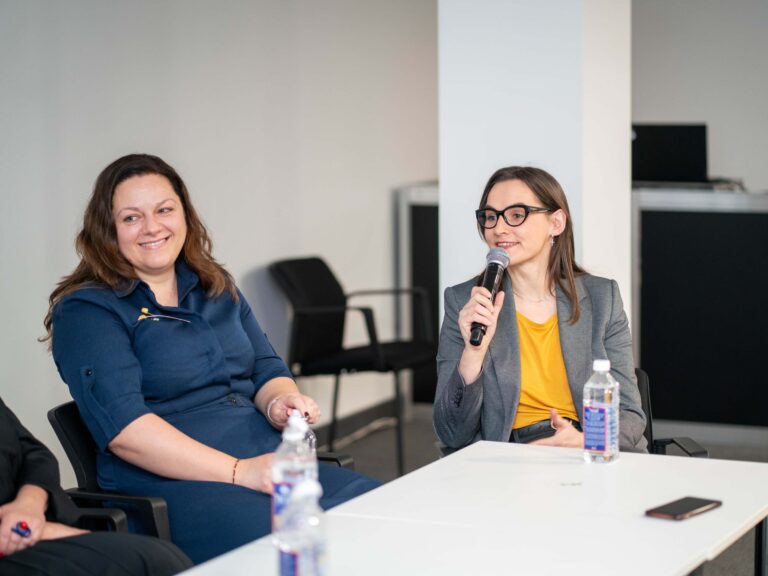
The Tauragė Museum actively engages its community in reflecting on contemporary questions of identity. Through the “Kvadratu” art festival, it explores themes such as local identity, urban transformation, and silenced histories.
“We speak too little about the Holocaust and the annihilated Jewish community. These are still difficult topics to talk about. The same goes for dispelling Soviet-era myths about Lithuania’s freedom struggles—these topics require education,” shared Eglė Červinskaitė.
She believes that education and breaking down stereotypes are among the museum’s core missions.
What Will Museums of the Future Look Like?
How do museums today decide what is worth preserving for future generations?
According to Dr. Rūta Kačkutė, it is essential not to remain confined within the boundaries of official history, but to strive to reflect the diversity of society—from documenting LGBTQ+ experiences to including women’s history, which for a long time was underrepresented in museum exhibitions.
She notes that the museum should abandon the role of the all-knowing expert. Instead, it should listen, collaborate, and allow the public to take part in shaping history.
In 2025, the Lithuanian National Museum celebrates its 170th anniversary. Its history is inseparable from the evolution of Lithuanian museology. The museum’s origins date back to 1855, when, thanks to the efforts of Eustachy Tyszkiewicz and his personal collection, Lithuania’s first public museum—the Museum of Antiquities in Vilnius—was established.
Today, the Lithuanian National Museum holds the largest collection in Lithuania, with over 1.5 million items of cultural and historical significance. It oversees 12 museum branches across the country.
-
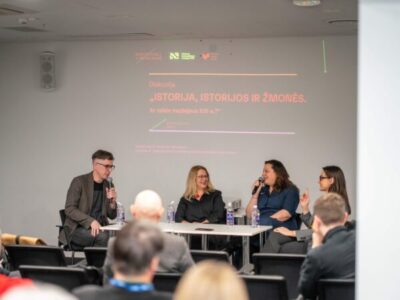
- Discussion on the Future of Museums. Photo by Silvestras Samsonas, LNM
-
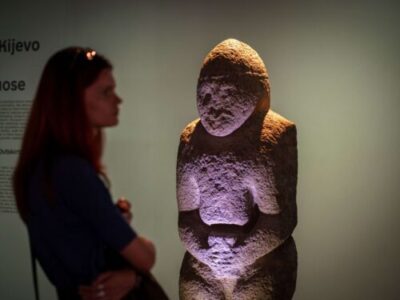
- The Lithuanian National Museum’s exhibition *“Kyivan Rus. The Beginning”* at the House of Histories. Photo by Silvestras Samsonas, LNM
-
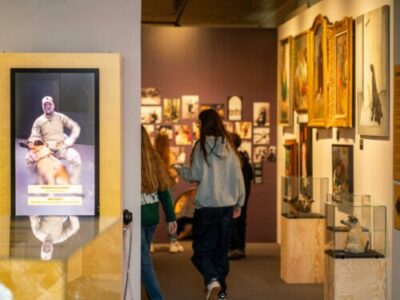
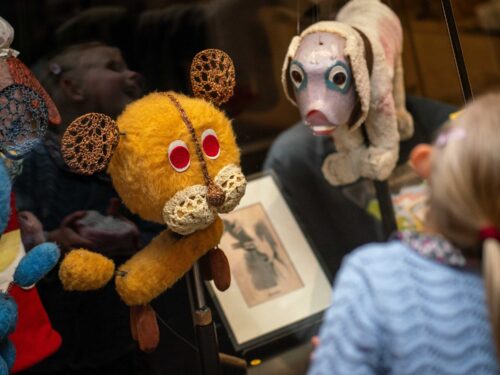
- The Lithuanian National Museum’s exhibition *“History Wags Its Tail”* at the House of Histories. Photo by Silvestras Samsonas, LNM
-
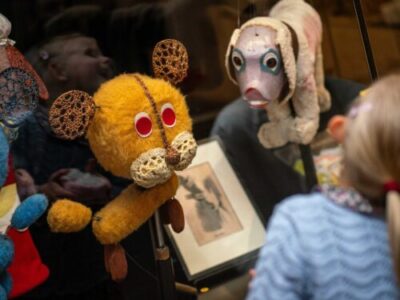
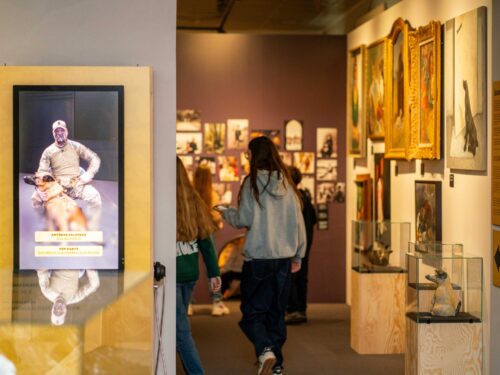
- The Lithuanian National Museum’s exhibition *“History Wags Its Tail”* at the House of Histories. Photo by Silvestras Samsonas, LNM